DE
DE
 BR
BR
What is the Novelty effect?
The novelty effect refers to the tendency of users to engage more with a new feature or experience simply because it’s new. The spike is temporary and drops once the novelty wears off. This affects feature launches, new experiences, and optimization methods like A/B tests, personalization, etc.
Returning users engage more initially because the feature feels fresh. New users don’t experience this bump because they have no baseline to compare against. Your metrics look great at first, then regress to normal levels.
Example of novelty effect
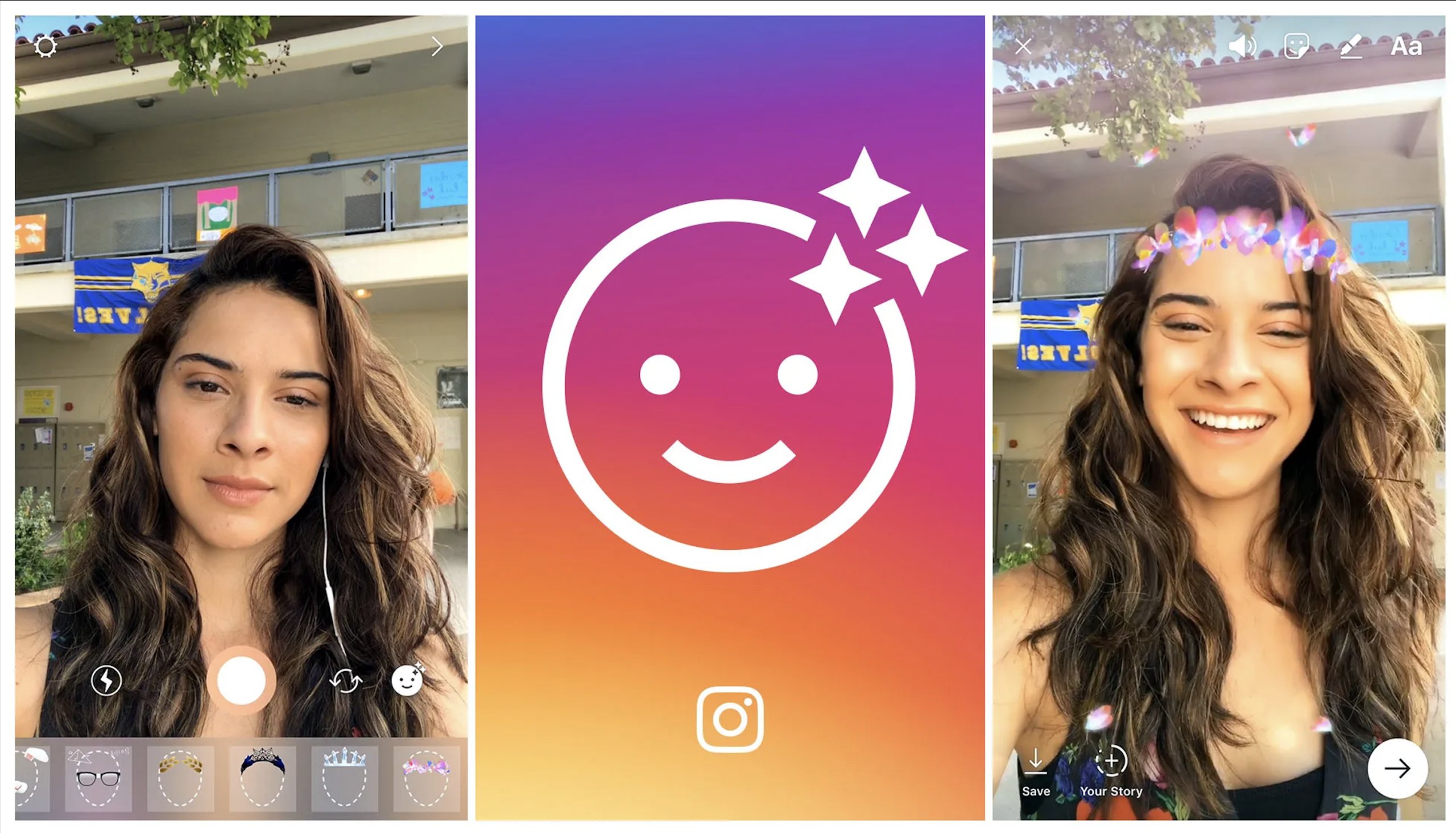
New Instagram users discover filters and go wild with them. They take photos with every filter option, post filtered stories daily, and experiment with different effects.
After a few months, filter usage starts declining. Some users stop using them altogether, while others use them sparingly. What initially looked like strong feature engagement was partly novelty driving temporary behavior.
Challenges of the novelty effect
Novelty effects can lead to significant measurement issues. Here are some of the problems they create:
a. You can’t eliminate them. Every new feature or experience triggers novelty by definition. It’s human nature to react differently to something new versus something familiar. You can account for it, but you can’t remove it from the equation.
b. You can’t measure true efficacy early. The first few weeks show inflated engagement because users are exploring, not because they found lasting value. Your reports look great, but the data doesn’t tell you whether the feature actually works yet.
c. Ignoring novelty leads to bad decisions. If your post-launch analysis treats the initial spike as the new baseline, you’ll make choices based on temporary behavior. Teams overinvest in features that looked promising during the novelty window but don’t deliver long-term impact.
How to capitalize on the novelty effect
You can use novelty effects to your benefit. Here are some ways to do it:
a. Monetize the attention spike. Higher engagement means more eyeballs on promotional offers, upsells, and cross-sell opportunities. Users exploring a new feature are already in discovery mode. That’s your window to present upgrades or complementary products without feeling pushy.
b. Guide users through onboarding while they’re curious. Use the novelty window to run guided tutorials that teach not just the new feature but your entire product. Users tolerate more guidance when something feels new. The key is a subtle design that feels helpful, not interruptive.
c. Collect social proof early. Request testimonials through surveys, emails, or CSM calls while users are still excited. Early adopters are more likely to share positive feedback during the novelty phase. That content becomes social proof for your GTM campaigns and helps convert users who discover the feature later.
Accounting for novelty effect in experience optimization
Novelty effects show up in your reports as temporary metric spikes. This is normal. The mistake is stopping the experiment or rolling back the feature when you see the spike fade, which just distorts your results further. Here is how you can account for the novelty effect in experience optimization:
a. Extend your measurement window. Acknowledge that novelty effects exist and plan for them. Look at long-term trends, not just the first week’s performance. The real question isn’t whether users try something new but whether they stick with it after the initial curiosity fades. One good way is to run reports in a time series format to track daily metric performance. You’ll see exactly when the novelty spike peaks and when it starts declining back to baseline.
b. Choose metrics that measure sustained behavior. CTR might spike initially because users click on anything new. Feature retention tells you whether they found actual value. Track metrics that capture long-term engagement and not initial curiosity.
Running reliable experiments with VWO
Novelty effects are just one of many things that can distort your data. VWO helps you catch measurement issues before they lead to bad decisions.
Enforce minimum runtime to avoid premature calls. User behavior follows weekly patterns. VWO warns you against declaring winners with Minimum Runtime Alert when novelty-driven engagement is still artificially high. Wait for the data to stabilize before making decisions.
Catch data issues before they distort results. VWO’s Experiment Vitals run continuous health checks. You get alerts when tracking fails, traffic drops too low, or conversions stop recording. Define guardrail metrics to spot unintended harm, even when primary metrics look strong early on.
Compare the performance variations for new and returning visitors. Use VWO’s segment comparison to view both groups side by side in the same report. Returning visitors show inflated engagement when features feel new, while new visitors experience features normally. When returning visitors convert at 8% but new visitors only hit 2%, that gap signals novelty driving temporary behavior.
Whether you’re running simple A/B tests or managing full feature lifecycles, VWO gives you the controls to ship confidently. Start a 30-day free trial today!