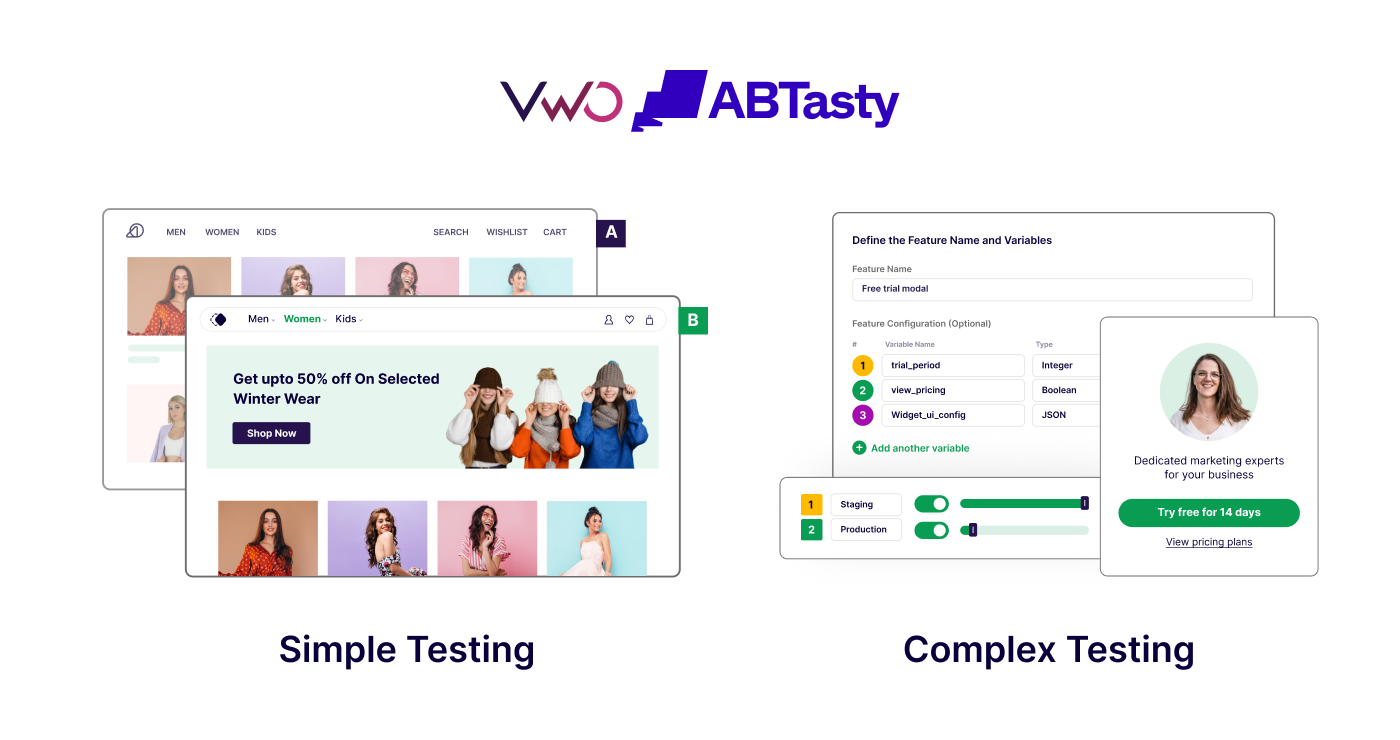
Basic A/B tests are built around what’s easy to measure: clicks, open rates, form completions. Useful signals, but rarely the ones that move a business.
Advanced A/B testing shifts the target. Instead of optimizing surface interactions, you’re testing the decisions that directly influence business outcomes: pricing structures, onboarding logic, feature rollouts, paywall timing, upgrade triggers, and the user experience.
You’re no longer asking “which button performed better.” You’re asking, “Does this change in how we sequence the activation experience improve 30-day retention?” or “Does surfacing this feature earlier in the trial increase conversion to paid?”
This guide covers the techniques and frameworks that make that kind of testing possible, like multivariate experimentation, backend and server-side testing, segment-specific experiences, and how to build a program that compounds learning into growth rather than producing a backlog of incrementally better CTAs.
Advanced A/B testing fundamentals
Advanced A/B testing isn’t about running more tests or using a more expensive tool. At its core, it’s a different way of thinking about what’s worth testing, how to measure it, and what to do with the result.
1. Behavior signals drive hypothesis quality
Behavioral data feeding into hypotheses is a good practice at any level. What makes it advanced is which behavioral data you use, like backend event data, cohort drop-off patterns, or cross-session behavior, and not just heatmaps and session recordings.
Watch this webinar to see how behavioral science strengthens your experimentation program.
2. Testing business metrics, not proxy metrics
Basic testing optimizes for proxy metrics: clicks, scroll depth, and form completions. These are easy to move, but don’t confirm whether the experiment actually drove a business outcome.
The metrics that matter in advanced experimentation are those directly tied to revenue and retention. A variation can win on clicks and lose on conversion to paid. Advanced teams define a primary business metric, conversion to paid, revenue per visitor, retention, before a test launches, and guardrail metrics to ensure other important metrics aren’t negatively affected by the change.
Pro Tip!
Use VWO Metric Reports to track and analyze standard, custom, and revenue-based metrics alongside heatmaps, session recordings, and funnels, so behavioral data and business outcomes sit in the same view rather than separate tools.
3. Experimentation as a system
Individual tests have a ceiling. The accumulated value comes from treating experimentation as a process of continuous improvement, in which each result feeds into the next hypothesis and learning accumulates across cycles. The test is not the output. The learning is.
Most teams run A/B tests. Few actually learn from them. Watch this VWO webinar to discover how to turn experimentation into a structured, insight-driven growth engine.
A real experimentation system is not a collection of tests. It is an operating model. It requires a clear business thesis, disciplined hypothesis generation, ruthless prioritization, and a process that captures learning as an organizational asset. Without that, testing becomes performative and an activity without accumulation. The goal is not to run more experiments; the goal is to build a system that compounds intelligence over time.
If fundamentals define how advanced teams think, components define what they have built. These are the program-level decisions, around infrastructure, measurement, and process, that determine what kinds of experiments are even possible and whether their results can be trusted and acted on.
1. Mutually exclusive campaigns
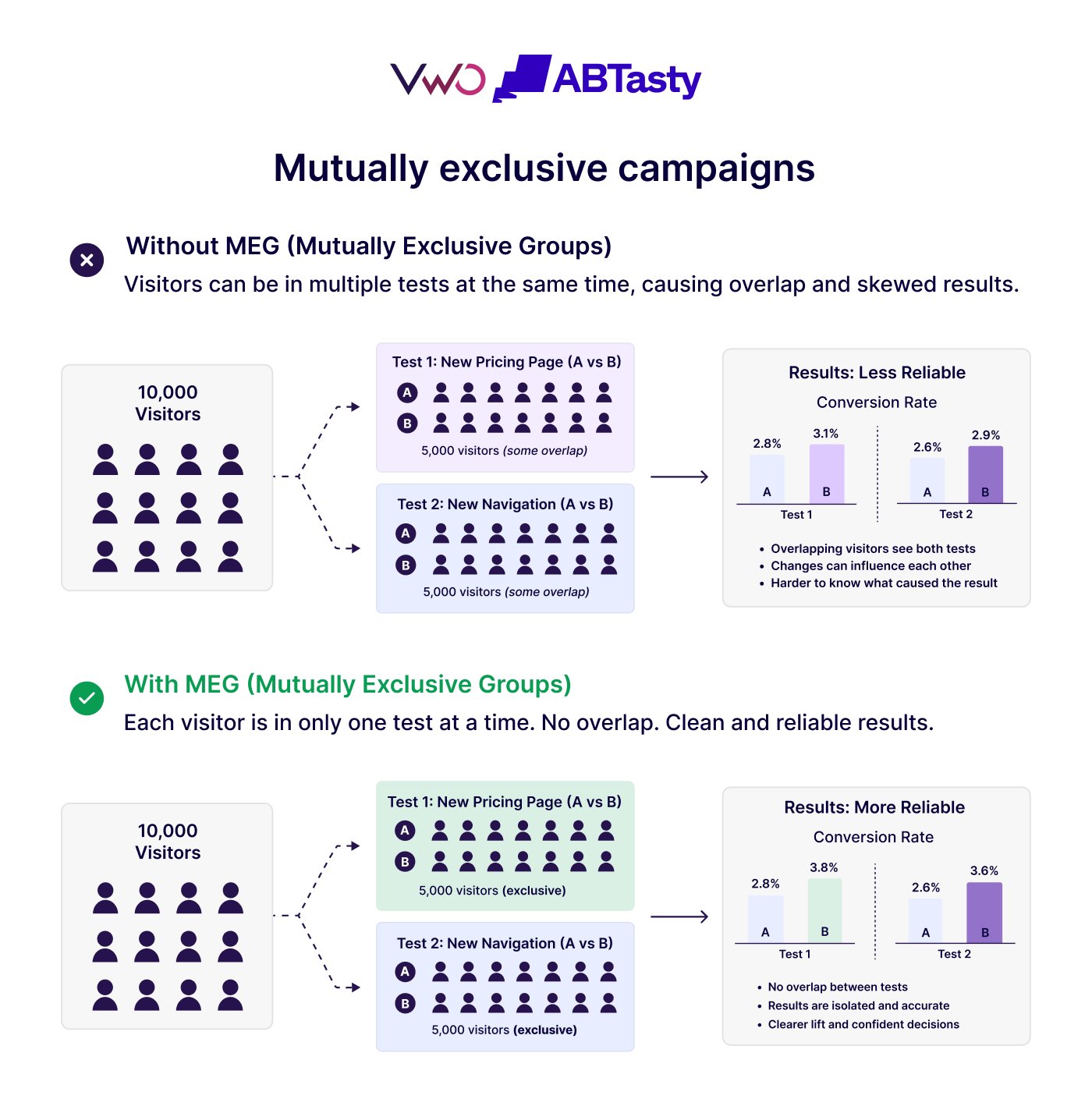
Mature teams run multiple tests concurrently across different pages, funnels, and audience segments, which increases testing velocity but introduces a new problem: experiment interference, where overlapping test exposures corrupt the data you’re trying to collect.
For example, if a user sees both a pricing-page variation and a checkout-flow experiment in the same session, it becomes difficult to isolate which change influenced the conversion outcome.
Mutually exclusive campaigns prevent this by ensuring users entering one experiment are excluded from conflicting tests. This reduces data overlap and keeps experiment attribution reliable when multiple campaigns run simultaneously.
Mutually exclusive campaigns fix this by excluding users in one experiment from others, keeping attribution clean. VWO’s Mutually Exclusive Groups control visitor distribution across concurrent tests without compromising the integrity of results. Learn how to set it up.
2.Business-first metrics
Advanced experimentation structures every test around three layers of metrics, defined before launch:
Primary business metric: the single outcome the test is designed to move: conversion to paid, 30-day retention, and average order value.
Supporting metrics: indicators that help explain why the primary metric moved or didn’t, such as click-through rate or activation rate. If the primary metric moves, secondary metrics show where in the funnel it happened and why.
Guardrail metrics: outcomes the experiment must not harm, such as page load time, support ticket volume, or unsubscribe rate. A variation that wins on the primary metric but damages a guardrail isn’t a win.
3. Deep audience segmentation
Aggregate results mask what’s really happening. A variation that looks flat overall can show significant uplift within a specific high-intent segment.
But catching that requires building segmentation into the experiment design, not applying it after results come in.
Pre-defining segments before a test launches means the experiment is built to answer a specific question about a specific target audience: how do high-intent users respond to this change? How does this variant perform for mobile users? This produces results that are immediately actionable, rather than patterns you observe after the fact without knowing if they’d hold in a controlled test.
Post-segmentation analyzes results after the fact, filtering reports to surface patterns across different cohorts. Both are necessary. The difference is that pre-defined segments produce results you can act on with confidence, while post-segmentation produces hypotheses worth testing next.
VWO supports both approaches. Pre-segmentation lets you target specific visitor groups before a campaign runs, based on source URL, device, location, behavior, or custom attributes. Post-segmentation filters results after the fact for deeper analysis of reports.
4. The right infrastructure
Client-side testing is limited to what renders in the browser, leaving many high-impact backend experiments off the table. Server-side infrastructure removes that blockage.
By moving experimentation to the backend, teams can test changes without UI components, run experiments within apps, and integrate testing directly into product development workflows rather than treating it as a separate marketing function.
VWO Feature Experimentation provides this infrastructure through feature flag management, SDK-based implementation, and controlled rollouts, without sacrificing analysis depth.
Key advanced A/B testing techniques
1. Multivariate testing (MVT)
Where A/B testing isolates one change, MVT simultaneously tests multiple elements, such as headlines, images, and CTAs, to identify which combination drives the best results. It’s the right approach when you suspect that interactions among elements influence user behavior, rather than individual elements in isolation.
The constraint: MVT needs significantly more website traffic to reach statistically significant results across all variation cells.
2.Multi-armed bandit (MAB)
Unlike traditional A/B testing, MAB dynamically shifts traffic toward the better-performing variants during the test, minimizing lost conversions. It’s particularly effective for time-sensitive campaigns where waiting for a fixed end date has a real business cost. Read more about MAB here.
3.Sequential testing
Allows continuous monitoring of test results without inflating false positive rates. Rather than committing to a fixed sample size up front, sequential testing adjusts the significance threshold over time so you can declare a winner as soon as the data support it. For high-velocity experimentation programs, this meaningfully reduces time between launch and decision.
4. Segmented A/B testing
Rather than running a single experiment across your entire audience, segmented A/B testing targets specific user groups from the start, so the results reflect how a defined segment actually responds rather than an average across everyone.
The segment that enters the test is defined up front, either using standard criteria such as device type, traffic source, or new vs. returning visitors, or custom conditions built around behavioral data, CRM attributes, or session-level variables. A variation that would be lost in aggregate results becomes a clear, actionable signal when the experiment is scoped to the right audience from launch.
5.Interleaving testing
A technique used in search and recommendation systems to compare ranking algorithms. Rather than splitting users into groups, interleaving mixes results from both algorithms in a single list shown to the same user, then infers preference from interaction signals like clicks, requiring far less traffic than traditional A/B testing to detect meaningful differences. Because the mixing happens at the ranking layer, interleaving is inherently a server-side experiment, requiring server-side SDKs to run properly.
6. CUPED
Reduces variance in experiment results by using pre-experiment data that correlates with your primary metric. If you’re measuring conversion rate, the covariate might be each user’s historical conversion behavior before the test began. By filtering out variance explained by that covariate, CUPED produces tighter confidence intervals and reaches statistical significance faster on the same traffic, without increasing sample size or running the test longer. One of the clearest signals of experimentation maturity in any organization.
7. AI-led vibe experimentation
Today, AI makes experimentation feel easier than ever on the surface. But paradoxically, this is also why experimentation is becoming more advanced in two ways.
First, the technology itself is becoming more sophisticated. AI-assisted experimentation relies on integrated data infrastructure, automated workflows, targeting systems, statistical engines, and models that can generate variations, surface patterns, and accelerate analysis at scale. While increasingly accessible, building a reliable system that supports fast, continuous experimentation still requires strong experimentation maturity and operational coordination.
Second, as AI reduces the manual burden of execution, the human role shifts from configuration to judgment. Teams no longer spend most of their time building tests. Instead, they must decide what deserves testing, which signals matter, how features interact, and whether rapid shipping is actually driving business impact.
Ready to launch campaign with VWO Copilot
High-impact A/B tests that drive growth
1. Pricing pages
Pricing pages carry the highest revenue leverage of any testing surface. Small changes here directly impact conversion rates, average order value, and plan mix.
Start with how pricing is presented: monthly vs. annual defaults, plan anchoring, feature gating, and whether price is shown per user or per team. How a price is contextualized influences perception more than the number itself. Always pair pricing experiments with guardrails to ensure conversion gains don’t come at the expense of revenue quality.
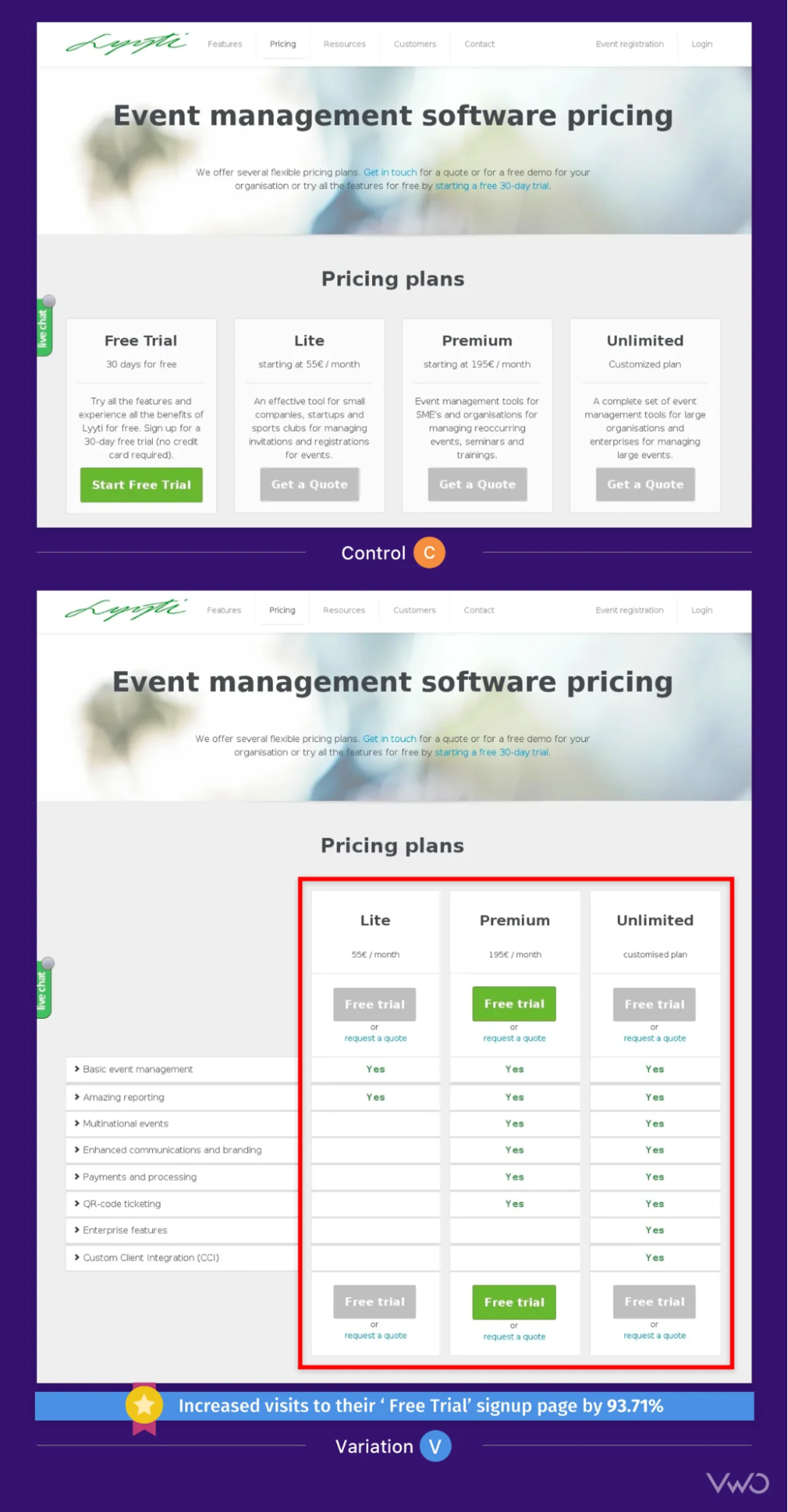
Lyyti simplified its pricing page by clearly highlighting plan features and aligning all CTAs around free trials, guided by insights from VWO heatmaps and clickmaps, driving a 93.71% increase in conversions and proving the impact of clarity and focused intent.
2.Checkout flows
Checkout testing focuses on sequencing and timing, not just element-level changes. When are additional choices introduced? Where does the flow ask for commitment before building sufficient trust? Structural experiments, introducing new steps to surface upsells at the right moment, reordering when trust signals appear, testing single-page vs. multi-step flows, are where checkout optimization compounds. The question isn’t what’s in the flow. It’s when it appears and what the user is asked to decide at each point.
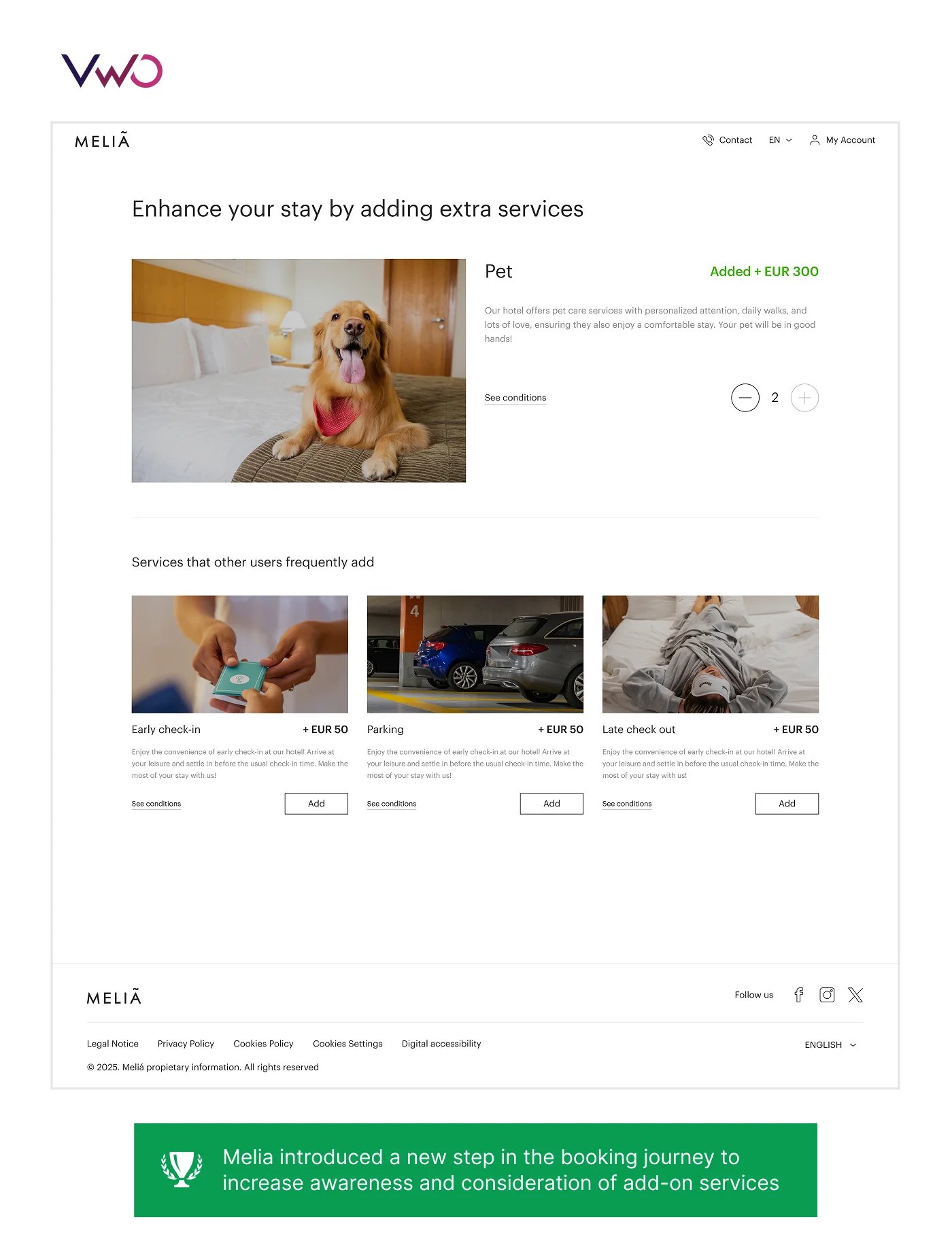
Meliá Hotels tested introducing an extra step in their booking funnel using VWO Feature Experimentation, rolling out progressively from 5% to 100% of traffic while tracking funnel progression as the primary metric and final confirmations as a guardrail. The result: a 1.85% uplift in revenue per visitor with no measurable increase in drop-offs.
3.Onboarding and activation
For SaaS products, onboarding is where retention is won or lost. Users who reach their activation moment in the first session retain at dramatically higher rates.
Test step sequencing, progress prompts, and whether onboarding paths tailored to user type outperform a generic flow.
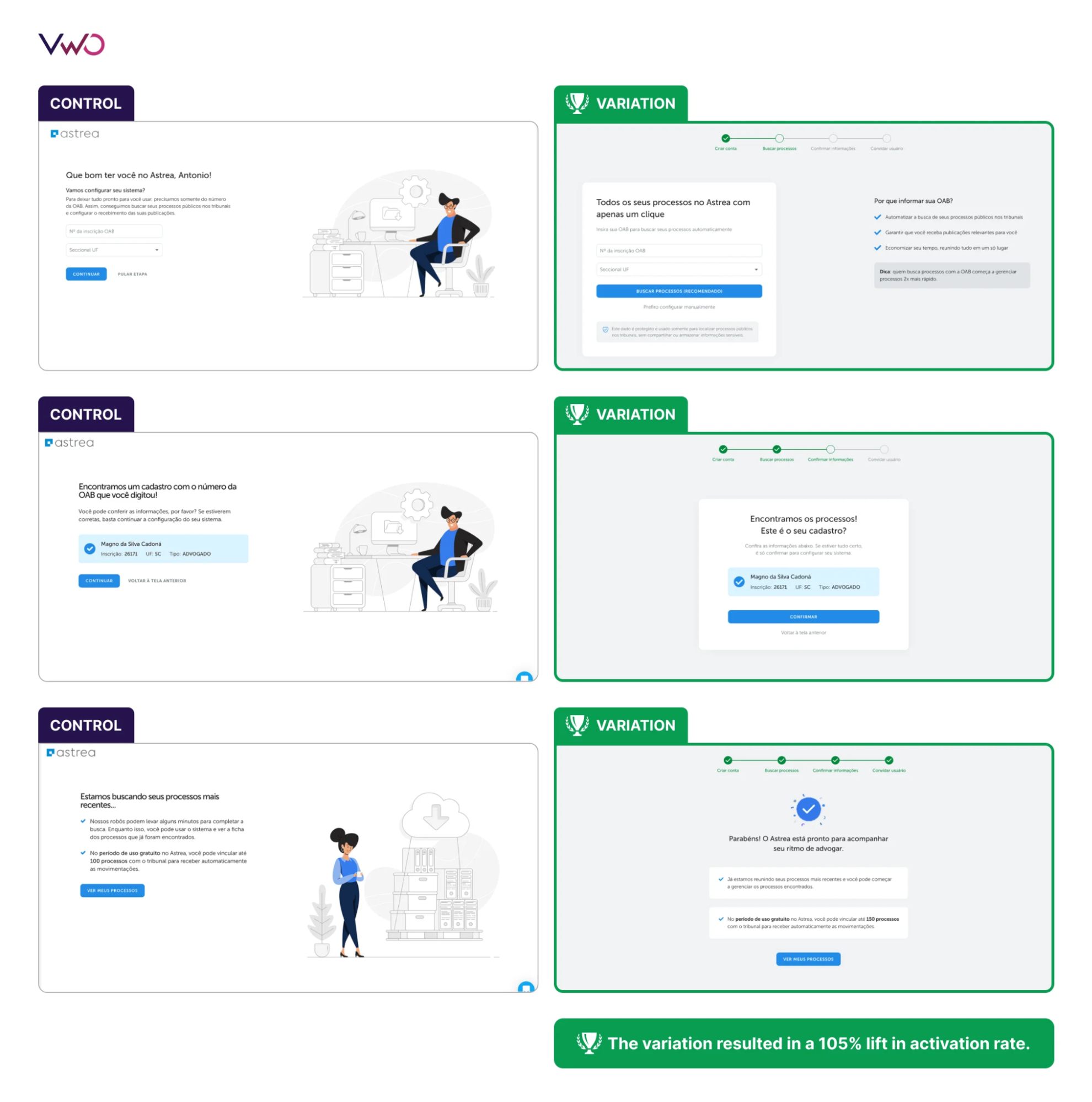
AURUM improved trial activation by running a series of structured A/B tests across its onboarding journey, optimizing everything from first experience to time-to-value, resulting in a 4x increase in activation and sustained growth.
4. MVT on landing pages
Advanced landing page tests focus on how multiple elements interact, not whether any single element performs better in isolation.
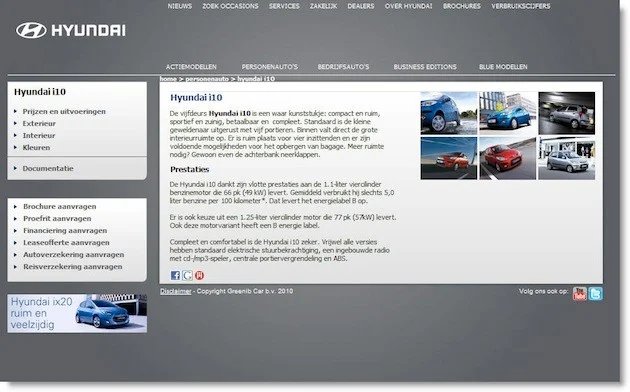
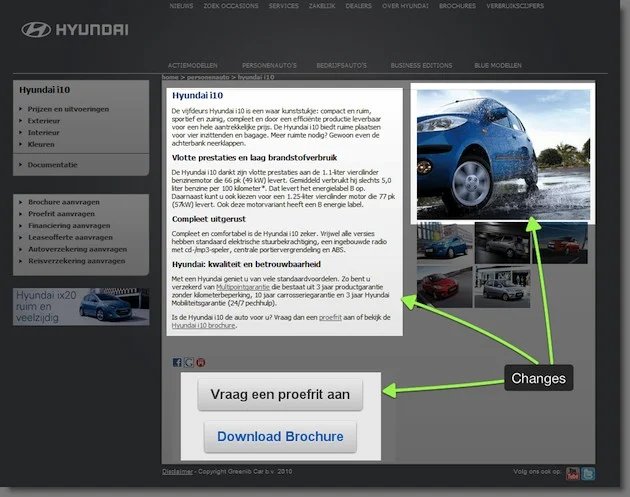
Hyundai ran a multivariate test across its car model landing pages, simultaneously testing SEO-optimized copy, additional CTA placement, and larger vehicle images across 8 combinations. The winning variation produced a 62% increase in conversions and a 208% increase in click-through rate to the next funnel step.
Hyundai – Control
Hyundai – Variation
5. MVT focused on mobile experience
Mobile users behave differently, and mixing their data with desktop results masks real optimization opportunities.
Test navigation simplification, page load speed, and CTA placement for smaller screens to boost conversions on mobile traffic. Treat mobile as a separate testing surface and segment results by device type for deeper user behavior insights.
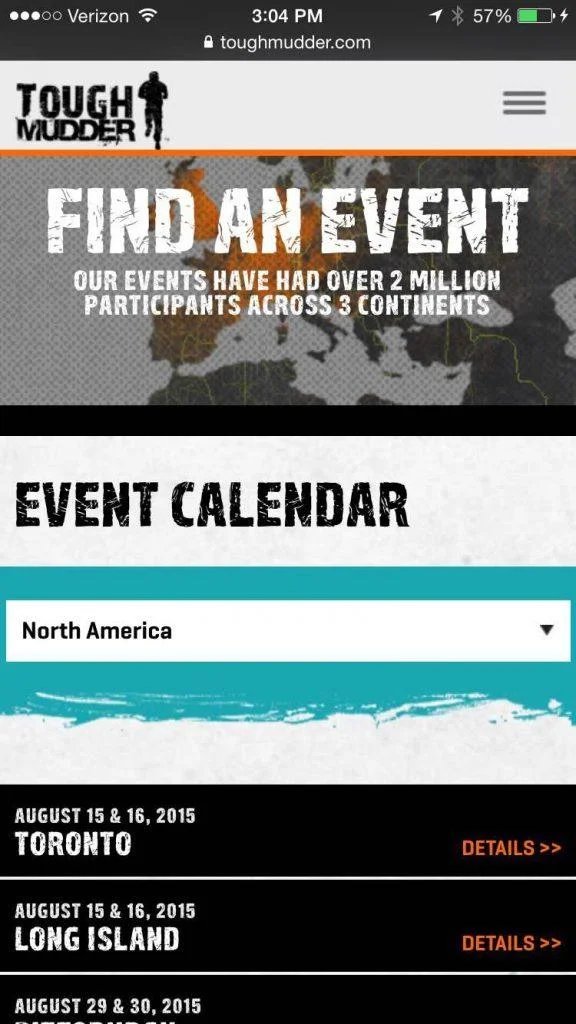
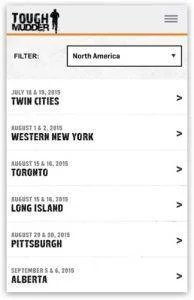
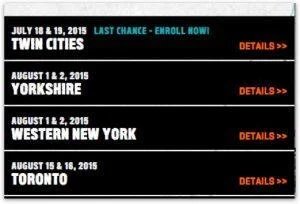
After Altima° identified that key event details were buried below the fold on Tough Mudder’s mobile site, the team used VWO to run multivariate tests to improve visibility and streamline the experience, resulting in a 9% uplift in session value.
Mudder – Control
Simplified header in the variation
Redesigned list in the variation
Urgency header in the variation
Essential tools for running advanced A/B tests
Advanced experimentation requires more than a testing tool. The right toolset doesn’t just support experimentation; it determines how fast your program scales and how much you can trust the results.
1.Behavioral analytics
Heatmaps, session recordings, scroll maps, funnel analysis, reveal where user engagement drops and why. Without this layer, teams optimize blindly, relying on assumptions instead of actual user behavior. This is what turns hypothesis formation into an evidence-based process, not a guessing exercise.
I let qualitative insights spark the questions and quantitative data size the impact. I watch sessions to spot unexpected behaviors, then check analytics to see how common they are and whether they affect conversion. The foundation of the testing program should be the linear path of research, observation, hypothesis, and solution. Without a solid, measurable hypothesis pulled from research, you’re asking for your testing program to be derailed.
Jono Matla, Founder at Impact Conversion (Source: CRO Perspectives)
2.Testing tools
Experimentation tools need to go beyond simple A/B testing. They should support a wider range of methodologies such as MVT and MAB, while remaining accessible to non-technical teams. Marketers or UX designers should be able to launch and manage even sophisticated experiments without needing to worry about the underlying technical complexities.
3.Feature flagging and server-side experimentation
These extend testing beyond web pages to back-end logic, mobile apps, onboarding flows, and pricing algorithms. This allows teams to experiment deeply without tying every change to a deployment cycle, making experimentation part of product development, not just marketing optimization.
4.Voice of the customer (surveys)
NPS, CSAT, and behavior-triggered surveys add the user voice that behavioral data alone can’t provide. Knowing what users do is incomplete without understanding how they feel. Without this layer, teams risk optimizing flows that are efficient on paper but misaligned with user expectations.
5.Analytics and data infrastructure integration
This ensures that experimental results don’t remain siloed and can support organization-wide data-driven decision-making. Connecting with systems like GA4, Amplitude, Salesforce, or BigQuery allows teams to measure impact on real business metrics: revenue, retention, and customer lifetime value, not just on-site conversions.
6.Statistical analysis capabilities
Sample size calculation, SRM detection, sequential testing, and variance-reduction techniques like CUPED are what make the results trustworthy. Without them, even well-designed tests can produce results that look valid but can’t be acted on with confidence.
7.AI-powered features
As experimentation scales, maintaining a steady flow of high-quality test ideas becomes a challenge. AI-powered experimentation handles variation generation, identifies campaign audience segments, and surfaces quick data-driven insights from large datasets that would be difficult to uncover manually. Together, these keep the pipeline moving without compromising the quality of what gets tested.
For teams looking to consolidate, VWO brings these layers into a single system: from VWO Insights for behavioral analysis and VWO Testing for web experiment execution, to VWO Feature Experimentation for server-side testing and feature rollouts, VWO Pulse for qualitative feedback, and VWO Copilot for overall process acceleration. Each layer feeds the next. That’s advanced testing working as it should.
Request a demo to see how VWO supports advanced experimentation at scale.
FAQs
What are some examples of advanced A/B testing?
Some examples of advanced A/B testing could be: Testing a SaaS onboarding sequence using server-side feature flags to identify which step order drives the highest activation rate. Running a multivariate test on a pricing page to find the best combination of plan presentation, anchoring, and CTA copy. Using CUPED to reach statistical significance faster on a low-traffic checkout flow.
What are the most effective advanced A/B testing techniques?
It depends on program maturity. For teams scaling up, the priority is sample size calculation, pre-defined guardrail metrics, and segment-level analysis. For mature programs, CUPED reduces the traffic required to reach significance, sequential testing enables continuous monitoring without inflation of false positives, and mutual exclusion groups keep concurrent experiment results reliable.
Hi, I’m Pratyusha Guha, manager - content marketing at VWO. For the past 6 years, I’ve written B2B content for various brands, but my journey into the world of experimentation began with writing about eCommerce optimization. Since then, I’ve dived deep into A/B testing and conversion rate optimization, translating complex concepts into content that’s clear, actionable, and human. At VWO, I now write extensively about building a culture of experimentation, using data to drive UX decisions, and optimizing digital experiences across industries like SaaS, travel, and e-learning.
Uncover hidden visitor insights to improve their website journey
One of our representatives will get in touch with you shortly.
Awesome! Your meeting is confirmed for at
Thank you, for sharing your details.
-
, you're all set to experience the VWO demo.
I can't wait to meet you on at
Account Executive
, thank you for sharing the details. Your dedicated VWO representative, will be in touch shortly to set up a time for this demo.
We're satisfied and glad we picked VWO. We're getting the ROI from our experiments.
Christoffer Kjellberg
CRO Manager
VWO has been so helpful in our optimization efforts. Testing opportunities are endless and it has allowed us to easily identify, set up, and run multiple tests at a time.
Elizabeth Levitan
Digital Optimization Specialist
As the project manager for our experimentation process, I love how the functionality of VWO allows us to get up and going quickly but also gives us the flexibility to be more complex with our testing.
Tara Rowe
Marketing Technology Manager
You don't need a website development background to make VWO work for you. The VWO support team is amazing
Elizabeth Romanski
Consumer Marketing & Analytics Manager
Trusted by thousands of leading brands
Awesome! Your meeting is confirmed for at
Thank you, for sharing your details.
Your Roadmap to Better Results
1:1 Demo customized to your industry and optimization goals.
Feature deep-dive into the user behaviour tools you need most.
No-pressure advice on the best path forward for your team.




 ChatGPT
 Perplexity
 Gemini
 Claude
 Grok
Grok