 DE
DE
 BR
BR




 ChatGPT
 Perplexity
 Gemini
 Claude
 Grok
Grok
Why Segmenting New and Returning Visitors Matters and How to Do It Right
Anyone who works with user journeys has seen this pattern: first-time visitors move cautiously, trying to understand what a brand does, while returning visitors move with familiarity and purpose, expecting to pick up from where they left off.
Ignore this pattern, and you inevitably create broken journeys for both audiences.
This article is for marketers, product owners, and CRO teams who want smoother flows without unnecessary friction. By segmenting new and returning visitors, you can give newcomers the clarity they need and help returners progress faster.
We break down how these segments differ psychologically, what that reveals about their journey, and how you can optimize for both using VWO.
Why new vs returning visitors need different experiences?
Treating new and returning visitors identically ignores the realities of how people think and move through digital experiences.
Recognizing these differences is one of the simplest ways to improve conversions without overhauling your entire site.
Let’s understand the actual psychology behind both segments, and how it plays out in their behavior.
1. New visitors navigate uncertainty, while returning visitors rely on familiarity
New visitors are meeting your brand for the first time. Their brain’s priority is to reduce uncertainty:
- Is this trustworthy?
- Is this right for me?
- What am I supposed to do next?
Psychologically, they’re operating under:
- Uncertainty reduction (seeking clarity and safety)
- Loss aversion (fear of making a wrong choice)
- Social proof bias (needing validation from others)
Because of this mental state, their journey becomes more exploratory. They will:
- Visit multiple pages
- Compare options
- Read pricing, FAQs, and reviews
- Take time to understand your value
Returning visitors, on the other hand, have already crossed that uncertainty barrier. They have engaged with your brand before. Their brain switches to efficiency mode, relying on shortcuts formed in previous sessions.
Their psychology is driven by:
- Heuristic processing (fast, instinctive decisions)
- Cognitive fluency (preferring familiar workflows)
- Goal gradient effect (moving faster when closer to a goal)
Their journey looks completely different:
- They scroll less
- Jump straight to known pages
- Expect saved preferences or continuity
- Want a fast path to action
To them, every unnecessary step feels like wasted effort.
2. The same friction affects them very differently
Once you understand the mindset each visitor brings, the next layer is seeing how they respond when something interrupts their flow. Friction triggers a different emotional and cognitive reaction depending on whether it’s their first visit or a returning visit.
For new visitors, friction introduces doubt about the entire experience. At this stage, they’re still constructing their mental model of who you are and whether you’re reliable.
When they encounter unclear messaging, dense layouts, or too many choices, it undermines the sense of clarity they were trying to build. Their response is exploratory but cautious:
- they pause to reassess,
- look for more information,
- or quietly disengage before committing.
The friction becomes a signal that the experience may be more complex or riskier than they expected.
For returning visitors, friction disrupts momentum they already earned. They come back with a purpose—finishing a task, checking something specific, or moving forward from where they left off.
When they face a broken flow, missing data, or repetitive steps, it violates the expectations created during earlier visits. Their reaction is immediate and sharp because they interpret friction as wasted effort:
- progress feels lost,
- the experience feels unreliable,
- and the intention they returned with weakens quickly.
The friction breaks the continuity they were counting on.
3. Their conversion behavior follows two different psychological curves
Returning visitors often convert at higher rates because they’re already primed. They know the product, they’ve built trust, and they’re closer to making a decision.
But this only holds true if you preserve their flow.
The moment the website forgets who they are—asking them to start over, reapply filters, or re-enter details—the psychological advantage disappears.
New visitors, meanwhile, convert only when you:
- reduce their cognitive load
- help them understand the value proposition quickly
- build trust through reviews, credibility badges, or transparent messaging
- guide them toward the right choice
Their conversion curve is slower, but highly responsive to clarity and confidence cues.
What to optimize for new visitors
New visitors must quickly understand what you offer and feel comfortable taking their first step. These optimization ideas help them build that confidence.
1. Value communication that offers instant clarity
A first-time visitor needs immediate clarity on what your product or service does. Strong value communication reduces early uncertainty and encourages exploration.
Examples:
- Use a strong, benefit-led headline that spells out the primary value.
- Highlight trust signals—ratings, certifications, customer quotes—near the top.
- Present clean comparison layouts so newcomers can understand products or plans without digging.
2. Guided discovery for easy decision-making
Even when the offer is clear, many new visitors don’t know how to begin. Guided discovery lowers decision fatigue by giving them an easy path to follow.
Examples:
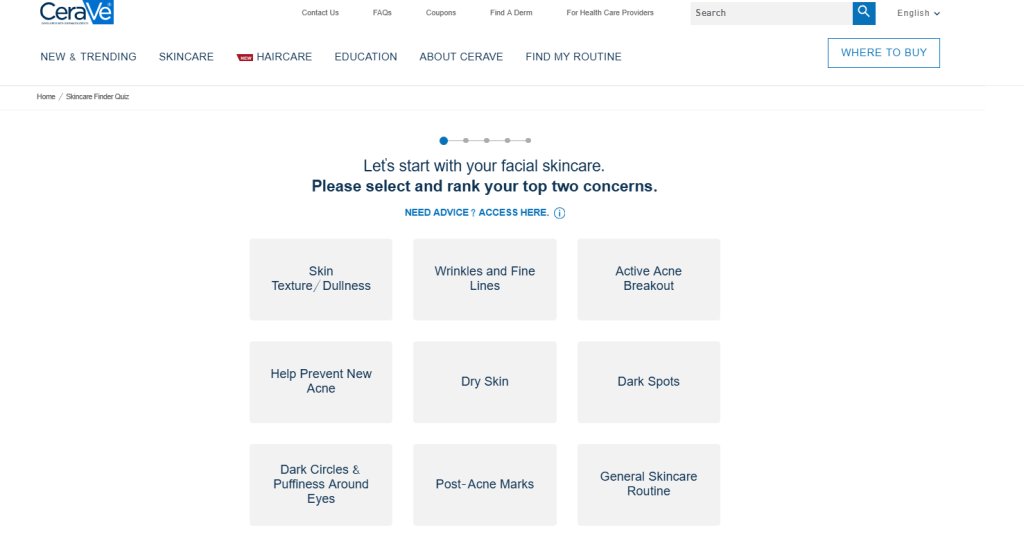
- Add short recommendation quizzes to guide them toward the best fit.
- Use lightweight walkthroughs to spotlight the most important elements on their first visit.
- Include “help me choose” prompts or subtle pointers when options feel overwhelming.
- Add progress indicators so the journey feels structured and manageable.
3. Nudges that address early hesitation
New visitors naturally hold back due to uncertainty about suitability, value, or trust. Gentle nudges at the right moments help them overcome that hesitation.
Examples:
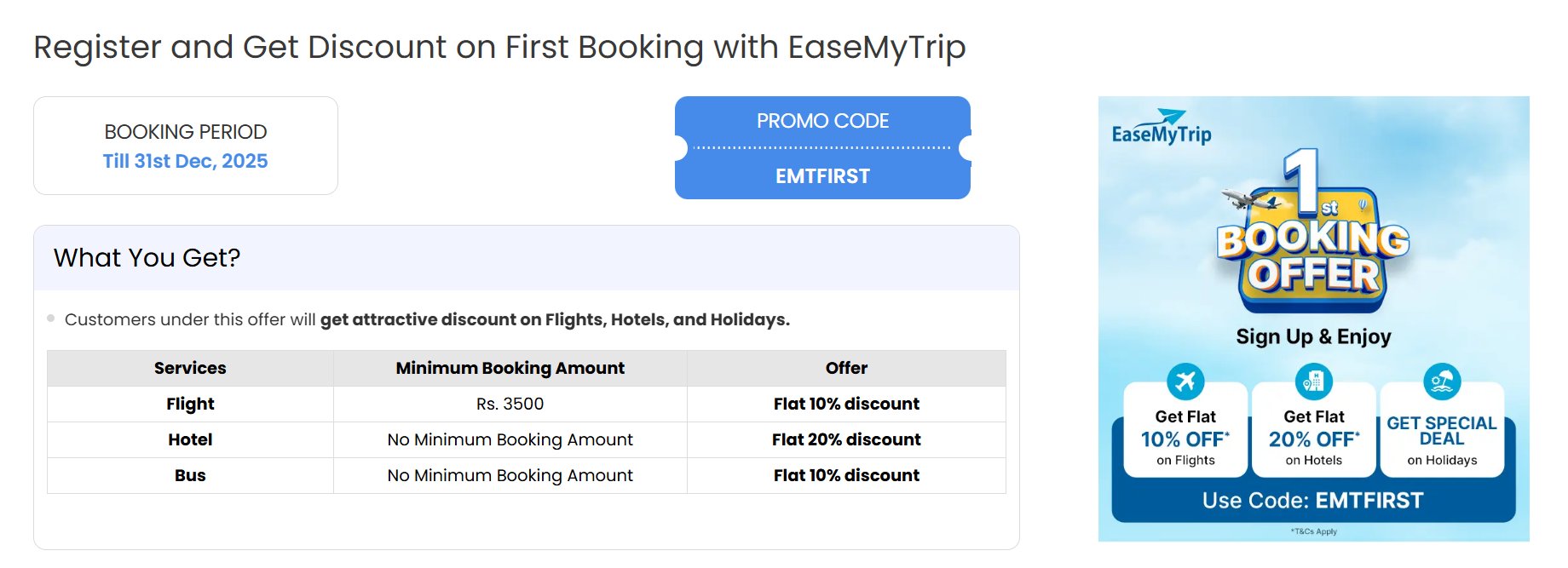
- Offer a first-visit incentive or sign-up benefit to reduce hesitation.
- Personalize welcome messages based on how they arrived (e.g., ad click, organic search).
- Trigger exit-intent FAQs when someone is about to leave a key page.
- Display reassurance messages such as flexible cancellation, easy returns, or secure transactions.
4. Support visibility to build immediate trust
When help feels easy to reach, new visitors feel safer continuing their journey. Visible support cues reduce anxiety and increase willingness to explore.
Examples:
- Keep a help widget visible across key pages.
- Trigger live chat prompts when visitors pause or hesitate for too long.
- Add quick-access FAQs beside important CTAs.
- Use small knowledge snippets to explain terms that might confuse a first-time user.
A real-world success story:
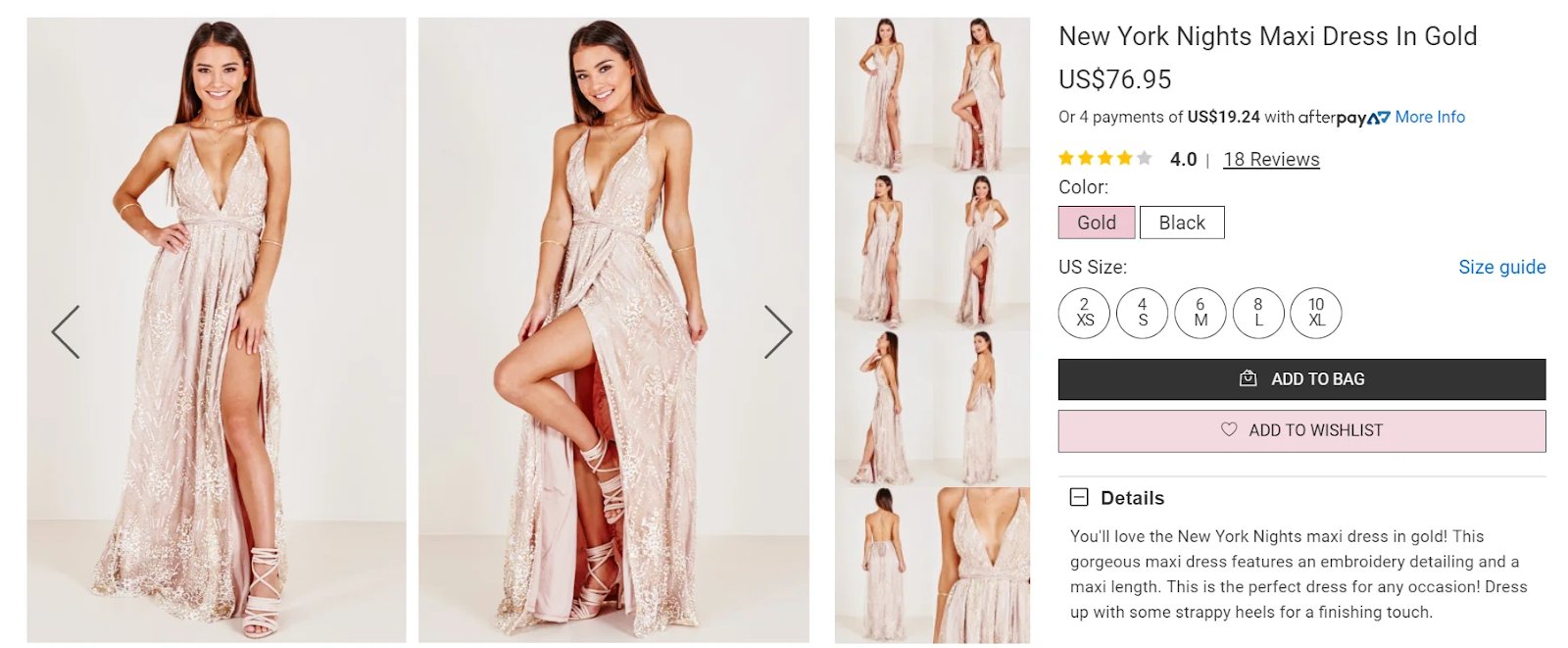
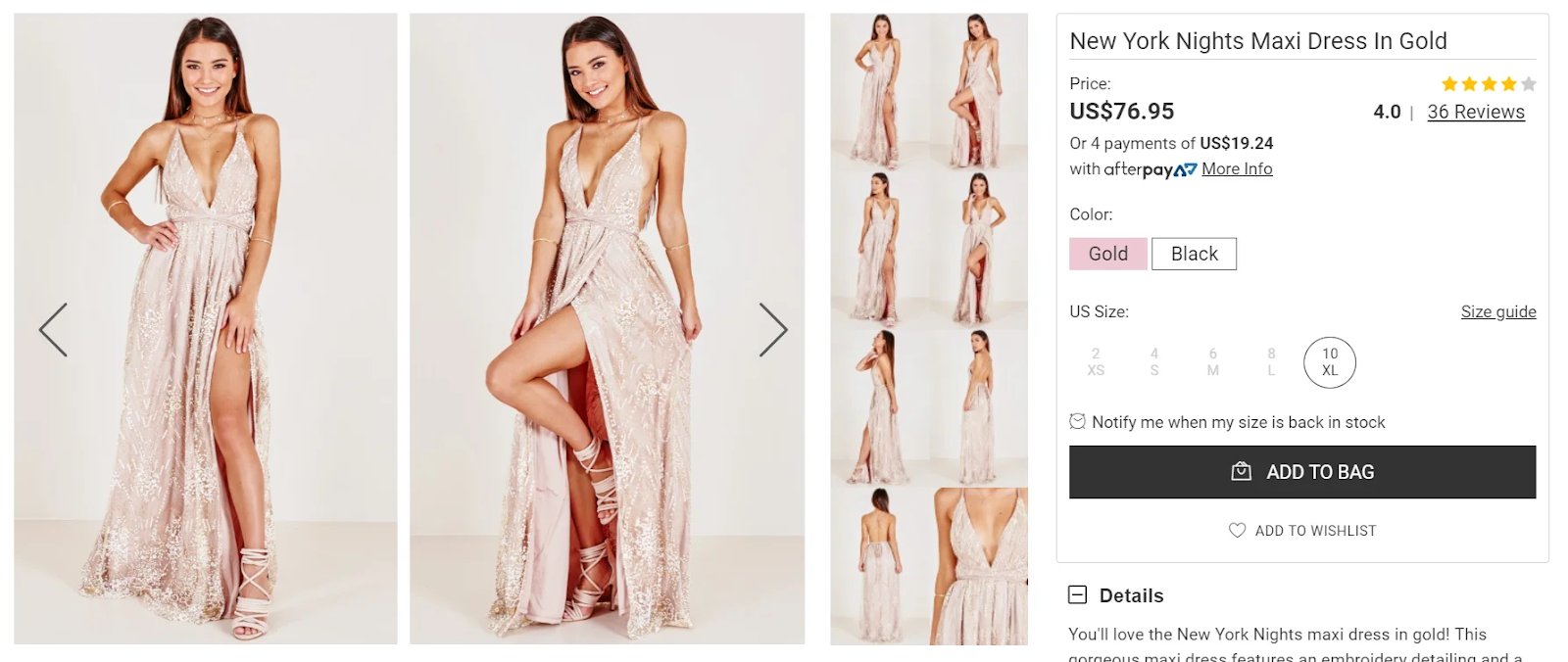
Australian online retailer Showpo used VWO Testing to highlight pricing, discounts, reviews, and improve Add to Cart visibility to boost conversions on their website. After running the campaign for 27 days, post-test segmentation report showed that new visitors delivered 1.33% higher purchases, generating $19K in additional revenue.
This reinforces a core truth of segmentation: the same variation can impact different audiences differently, and without segment-level analysis, you’d never know which group actually drove the lift.
What to optimize for returning visitors
Returning visitors come back with intent. The experience should recognize their earlier actions and help them continue seamlessly.
1. Shortcuts that revive previous context
Restoring the context from earlier sessions helps returning visitors pick up instantly and prevents the feeling of “starting over.”
Examples:
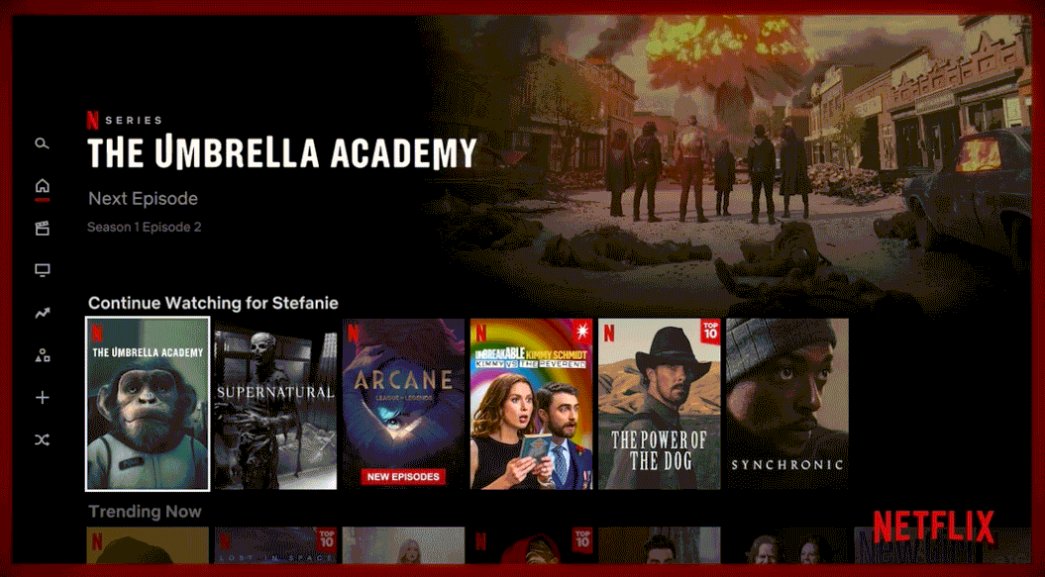
- Show recently viewed items or pages immediately.
- Surface “continue where you left off” cues for incomplete actions.
- Provide quick links to sections they visit frequently.
- Display a passive status indicator such as “Last viewed 2 days ago” on relevant pages.
2. Streamlined flows for high-intent actions
These visitors already know what they want. Removing unnecessary friction honors their intent and keeps them moving quickly toward completion.
Examples:
- Auto-fill known user information in forms
- Reduce multi-step flows into a single screen for authenticated users.
- Skip introductory tooltips or beginner guidance.
- Default to previously selected payment, shipping, or configuration options.
3. Loyalty reinforcement that acknowledges user history
Returning visitors want to feel recognized. Even small cues of acknowledgement signal that their engagement matters, strengthening loyalty and trust.
Examples:
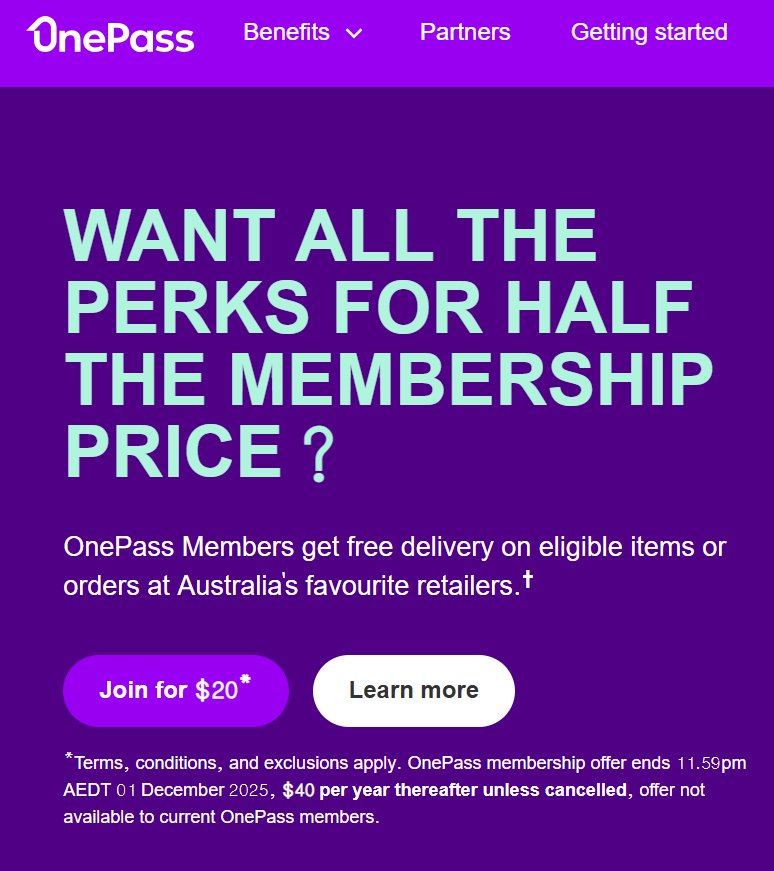
- Display a friendly “welcome back” message with their progress or available perks.
- Surface a subtle badge or label indicating returning or loyal user status.
- Highlight accumulated rewards, credits, or milestones achieved so far.
- Provide exclusive access or benefits for recurring engagement.
4. Predictive navigation that anticipates intent
If someone returns, they almost always have a task in mind. Predicting that task reduces decision-making effort and makes the experience feel personalized, efficient, and intuitive.
Examples:
- Highlight a prominent “finish what you started” call to action.
- Suggest logical next steps based on past browsing or engagement patterns.
- Surface high-intent cues—like revisiting pricing—and recommend the next best action.
- Enable one-click reordering, renewing, or upgrading for returning users.
A real-world success story:
Orascom Hotels Management used VWO Personalize to launch five returning-visitor experiences, guiding users smoothly through their booking journey. In just 25 days, this personalization effort delivered 153 bookings worth $74,674.
Segmenting returning visitors allowed Orascom to focus on users who were already motivated and simply needed a smoother path to complete their booking. They unlocked value that a one-size-fits-all experience would never have captured.

Executing visitor-specific optimizations using VWO
Segmenting new and returning visitors becomes powerful only when you can operationalize it across analysis, optimization, and rollout. Here’s how VWO gives you an end-to-end workflow:
With VWO Insights, you can observe how new and returning visitors interact with key pages. Heatmaps highlight where each group focuses or misses important elements. Session recordings reveal hesitation points for new visitors and broken continuity for returning ones. This becomes the evidence base for your optimization plan.
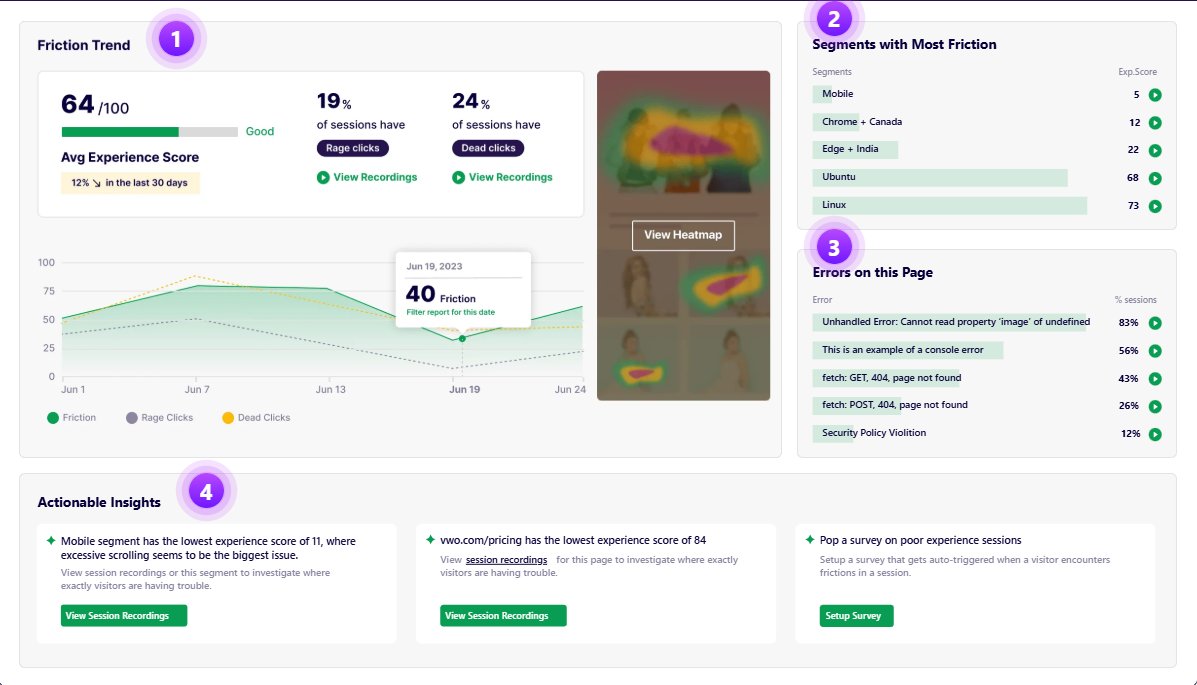
Use VWO Personalize to activate different experiences for different audiences. New visitors can see clarity-focused content, while returning visitors see shortcuts or saved progress cues. These changes are executed through VWO Editor and help you learn which direction improves engagement.
Run A/B tests for each segment with VWO Testing. Define segments—new, returning, high-intent, high-dropoff—before running any A/B test. Run variations targeted to each group to see how clarity or speed affects their behavior. Filter test reports by segments to compare outcomes and see which improvements genuinely moved the metrics.
Further, VWO Copilot lets you build segments without writing complex rules or logic operators. You can simply describe the audience in plain language like “segment users who returned after viewing pricing”—and Copilot generates the segments for you which you can then use in your personalization or testing campaigns.
Bringing it all together
So, if you thought segmentation meant creating dozens of variations and adding hours of extra work, it’s actually the opposite. Segmenting new and returning visitors reduces wasted effort by helping you focus on the few changes that matter most. When you understand how each group behaves, you can refine their journeys with small, targeted improvements that compound over time and lift conversions without added complexity.
If you’d like to see how VWO helps you create these segments, uncover insights, and optimize experiences end-to-end, book a demo and explore what’s possible.
Categories: