
 ChatGPT
 Perplexity
 Gemini
 Claude
 Grok
Grok
Personalization makes digital experiences more relevant. But when you understand why someone is behaving the way they are, not just what they’re doing, you can go so much further.
Emotions drive around 80% of human decisions. Every customer journey is full of micro-moments shaped by feelings: hesitation, excitement, urgency, doubt. Miss those signals, and you miss the moment.
That’s exactly what EmotionsAI is built for.
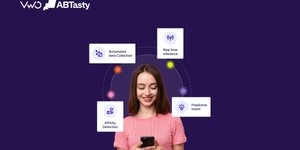
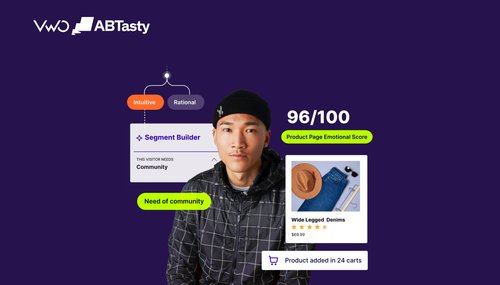
Backed by over eight years of behavioral data and powered by an intuitive AI engine, EmotionsAI surfaces the hidden patterns in your user journeys, showing you where the opportunities are and what’s at stake if you don’t act on them. In under 30 seconds, it identifies each visitor’s emotional mindset, so your team can segment, target, and personalize with real precision.
So, which emotional profiles does it actually detect? In this guide, we’ll walk through all 10 audience segments EmotionsAI identifies, what drives each type of visitor, and how to turn those insights into smarter, more human experiences using VWO AB Tasty’s experimentation platform and widget library.
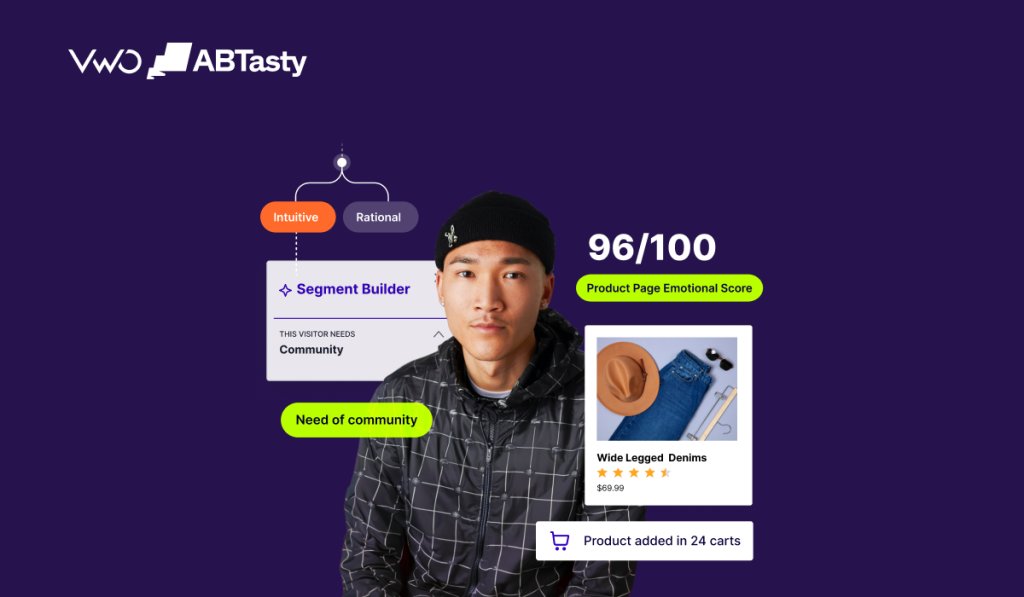
10 Audience segments
While thousands of emotions can run through a shopper’s mind at any given moment, EmotionsAI has found that visitors consistently fall into one of 10 distinct emotional profiles. Here’s what makes each one tick.
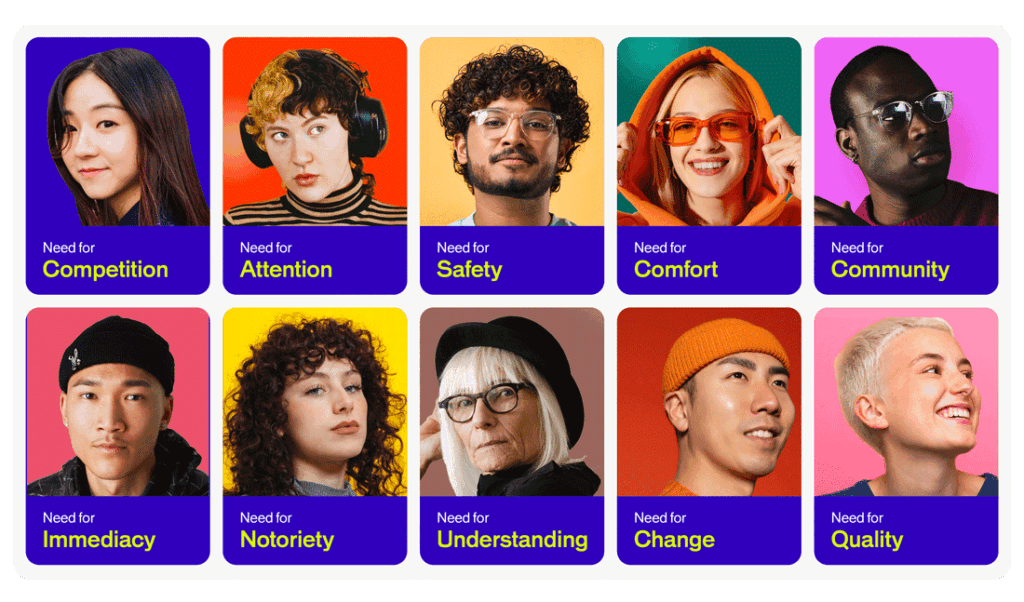
Let’s dissect each segment:
1. Competition
~10% of your audience
These visitors are driven by one thing: being the best. They’re not just shopping—they’re making a statement.
What drives them:
Competition-oriented visitors want to stay ahead of the curve. They care about how others perceive them, love being in the spotlight, and bring natural leadership energy to everything they do, including their purchasing decisions.
What’s in our toolbox for Competition?
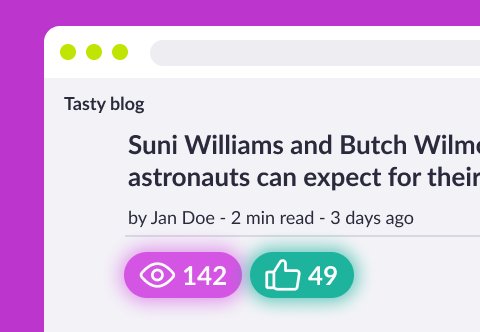
- Social proof widget
- Countdown widget
- Custom recommendations
- Leaderboard or badges
Use cases:
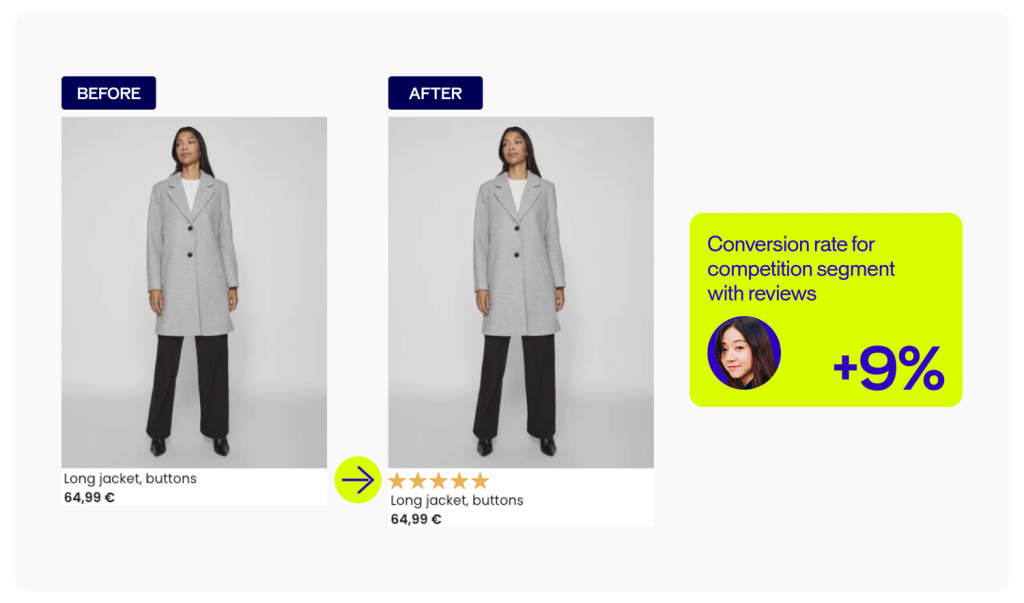
Lead with reviews.
Customer ratings are powerful currency for competitive visitors. Quantitative proof of quality, such as star ratings, review counts, and ranked lists, gives them the confidence to commit.
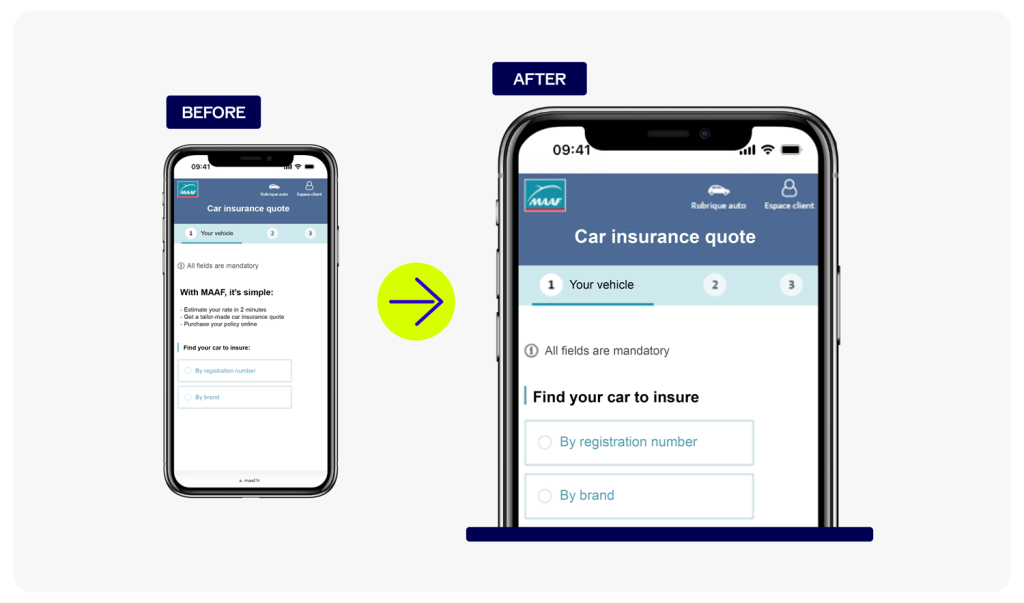
Keep it sharp.
Less is more with this segment. Cut the fluff, skip the filler, and get straight to the point. Every word should earn its place.
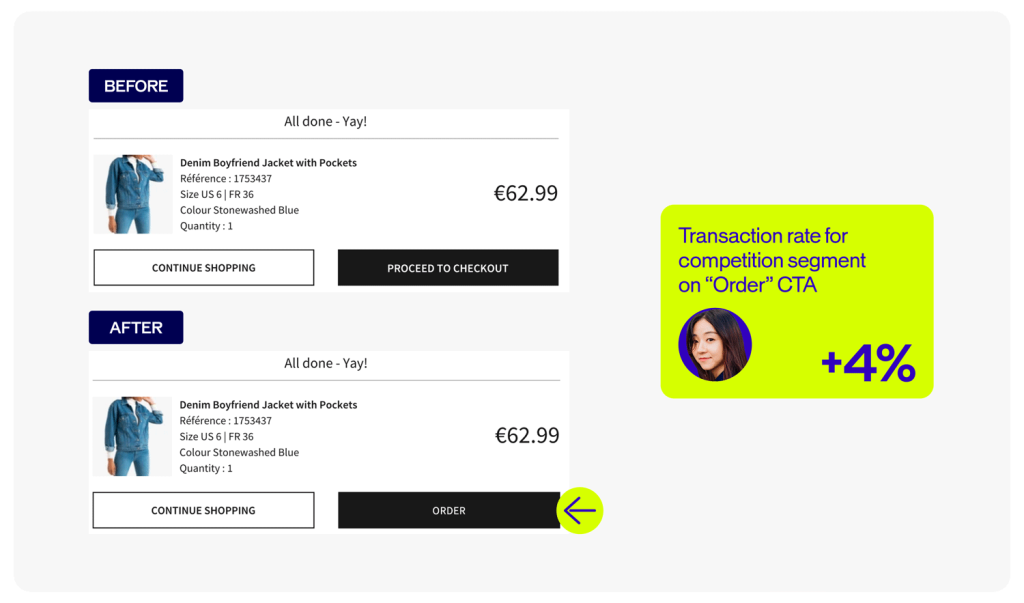
Use action-oriented copy.
Short, punchy, direct messages resonate most.
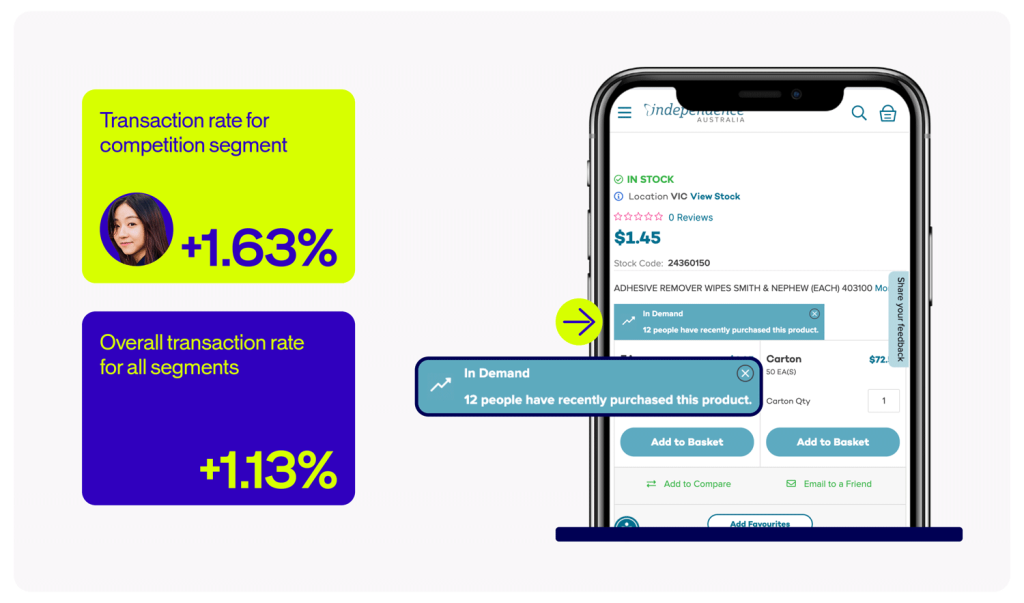
Make social proof work harder.
Phrases like “12 people have recently purchased” or “300 views today” speak directly to their competitive instincts.
2. Attention
~10% of your audience
These visitors want to feel like the experience was made just for them.
What drives them:
Attention-oriented visitors are all about immediate enjoyment. They want to make the most of every moment: no restrictions, no feeling like an afterthought. They want to feel seen, valued, and genuinely appreciated. Personalized touches and unexpected gestures, like a gift or a surprise offer, go a long way with this segment.
What’s in our toolbox for Attention?
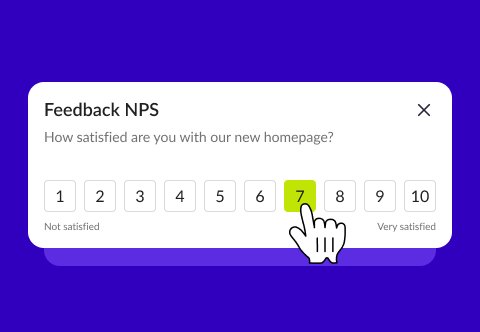
- Simple pop-in widget
- Wheel of fortune widget
- NPS widget
- Progress bar widget
Use cases
Lead with the perks.
Make discounts, free services, and special gifts front and center.
Highlight the deals.
Discounts are a direct line to this segment—make them impossible to miss.
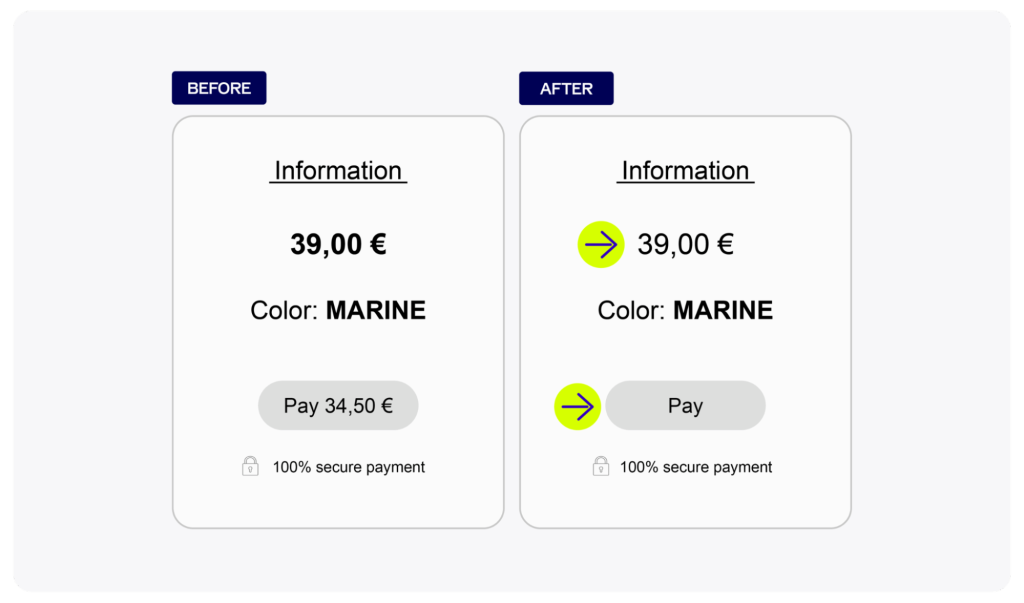
Soften the price.
This segment responds better when pricing is less prominent—let the value speak louder.
3. Safety
~ 27% of your audience
These visitors need to feel safe before they can move forward. Pressure pushes them away, while reassurance brings them closer.
What drives them:
Safety-oriented visitors feel emotions deeply. They’re sensitive, can be prone to anxiety, and are quick to disengage when something feels off. Too many messages, stress tactics, or ambiguous signals? They’re gone.
What’s in our toolbox for Safety?
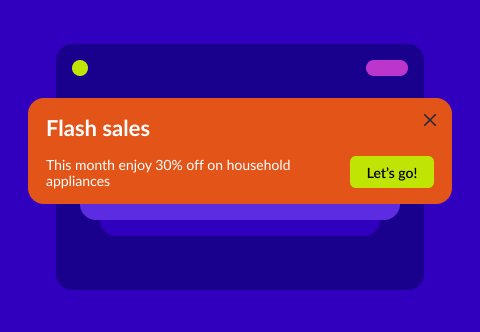
- Banner widget
- Reorder elements in visual editor
- Hide elements in visual editor
- Change colors in visual editor
Use cases:
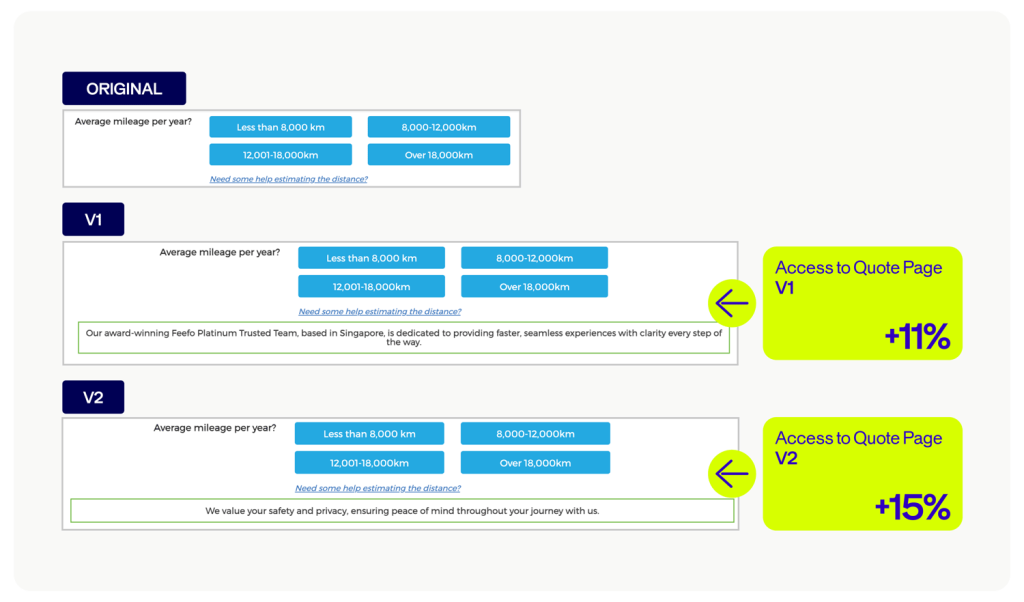
Test your messaging.
Run A/B tests with different trust-building messages to find what resonates best with this segment.
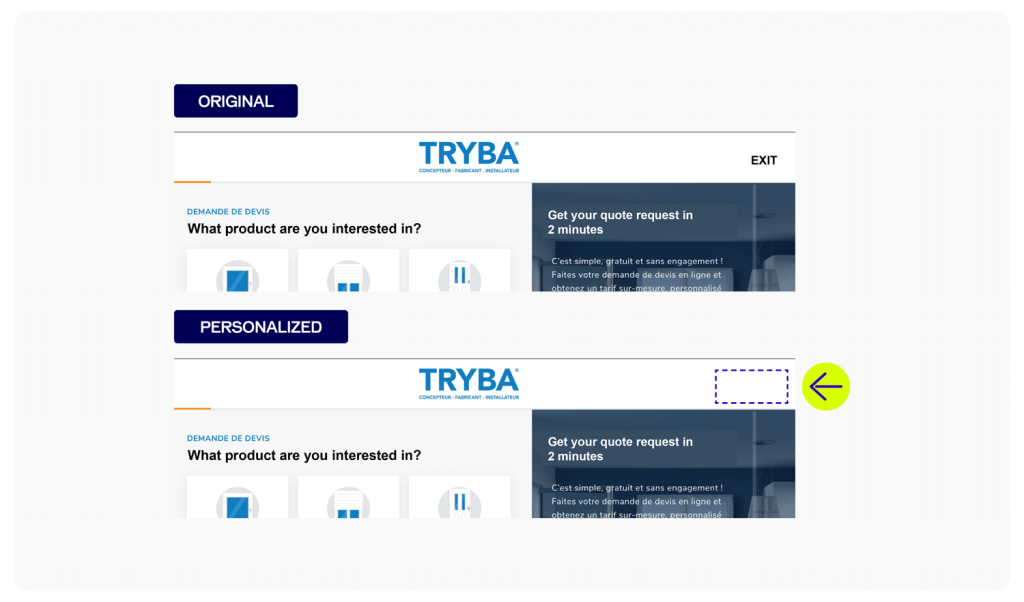
Avoid negativity.
Remove friction-inducing elements like aggressive “EXIT” buttons or alarming copy.
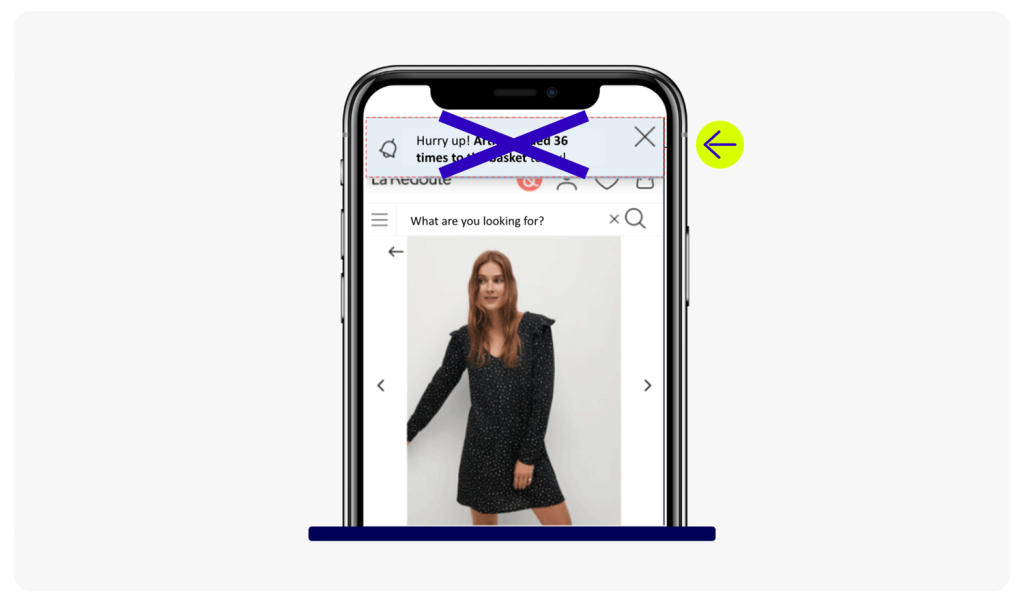
Ditch the pressure.
Stress marketing is a dealbreaker here. Keep the experience calm, clear, and supportive.
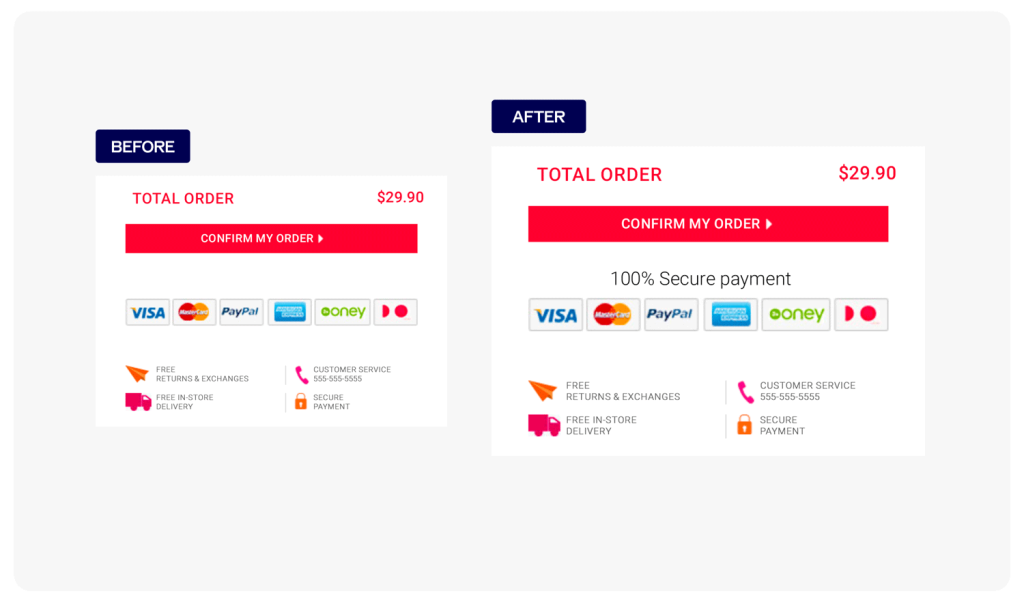
Reassure at checkout.
Highlight payment security clearly—this segment needs to know their transaction is safe.
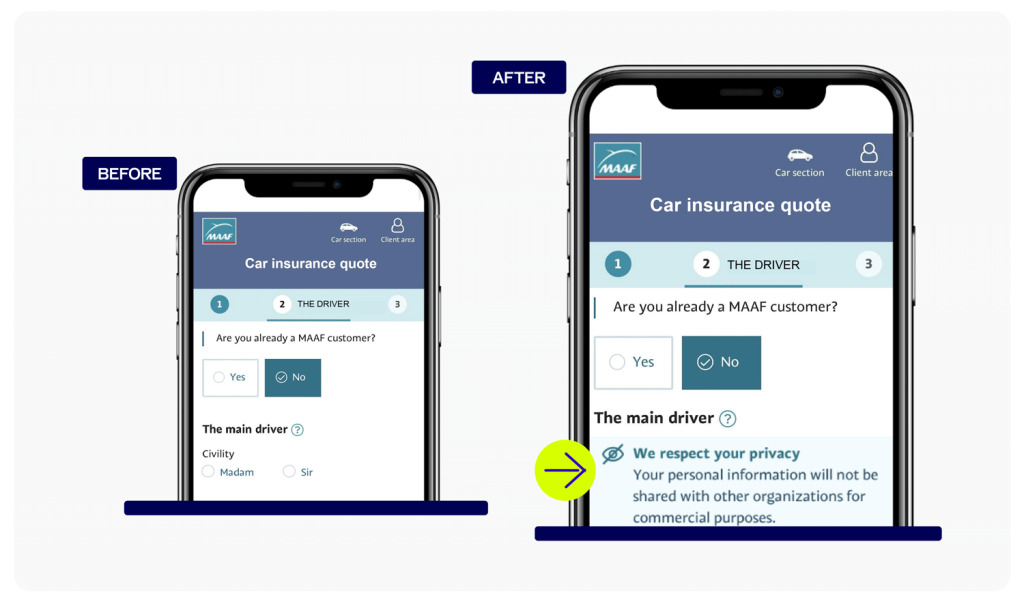
Be transparent about data.
Make it easy to see how personal information is handled. Trust is everything
4. Comfort
~10% of your audience
These visitors aren’t in a rush. They want a smooth, effortless journey—no friction, no fuss.
What drives them:
Comfort-seekers value simplicity above all. They want experiences that make life easier, not harder. Crowds, complexity, and unnecessary effort? Not for them. They’d rather browse from the couch—and they’ll reward brands that make that feel great.
What’s in our toolbox for Comfort?
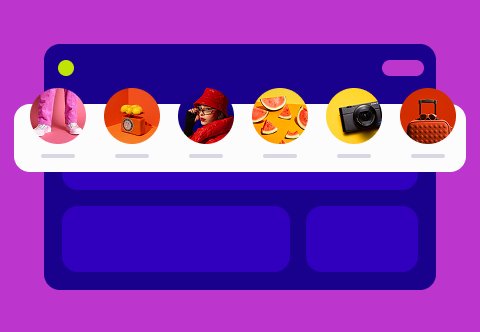
- Banner widget
- Video pop-in widget
- Drawer widget
- Spotlight widget
Use cases:
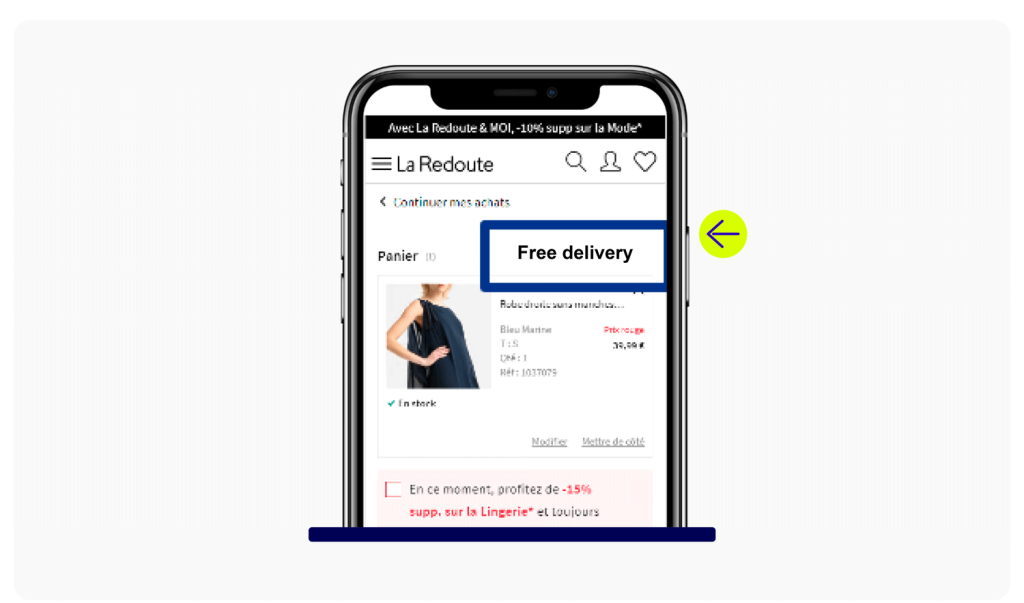
Shout about free delivery.
If you offer it, make sure they see it. It’s one of the easiest wins for this segment.
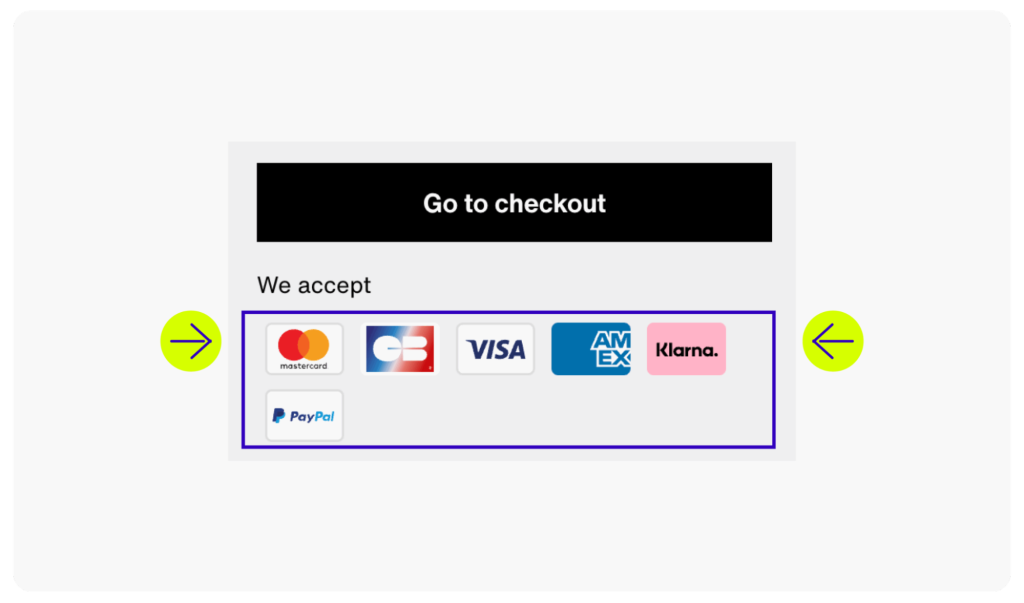
Make payment painless.
Highlight flexible, easy payment options—show them how simple it is to buy.
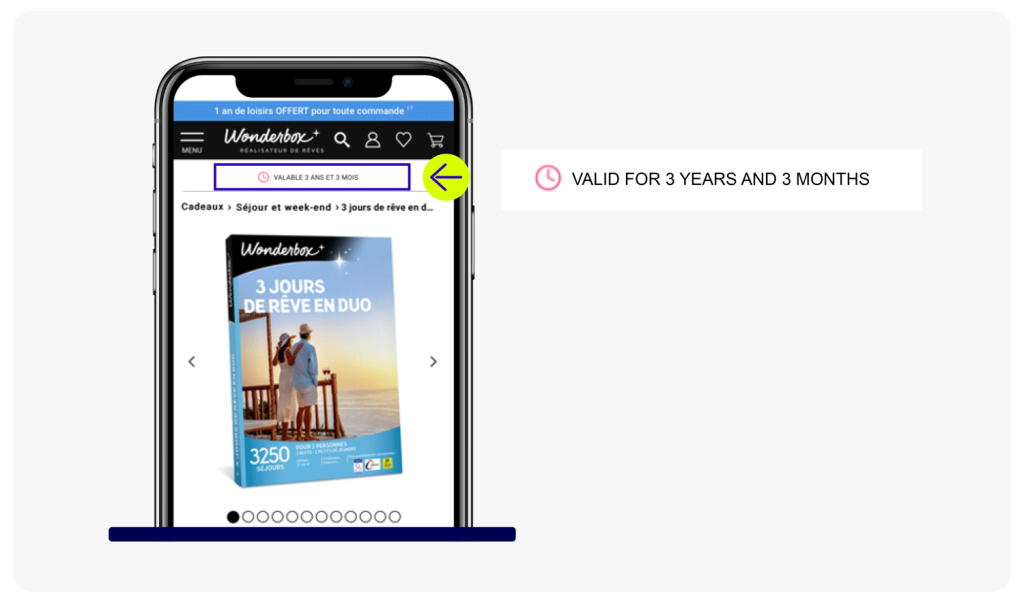
Sell the long-term ease.
Reassure them that life after purchase is just as smooth. No hassle, no headaches.
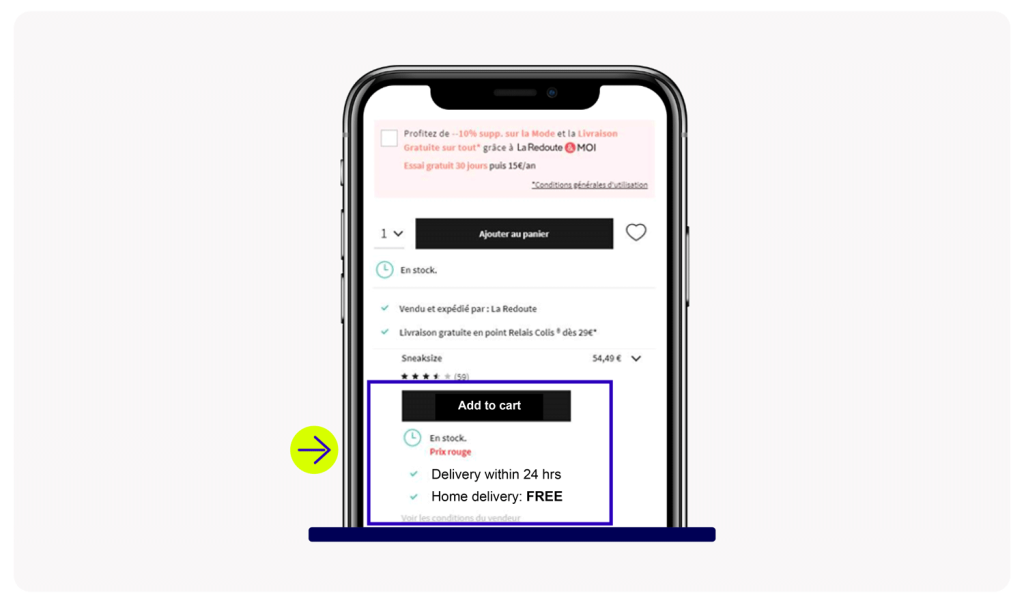
Bring the store to their sofa.
Lean into the convenience of shopping from home—make it feel like the experience was designed around their comfort.
5. Community
~6% of your audience
These visitors shop with others in mind. Connection, care, and shared values are what move them.
What drives them:
Community-oriented visitors want to feel like they belong, whether to a brand, a cause, a circle of people they love. They find joy in giving, sharing, and making a positive impact. When a brand reflects their values, they notice.
What’s in our toolbox for Community?
- Social proof widget
- Social sharing widget
- NPS widget
- Spotlight widget
Use cases:
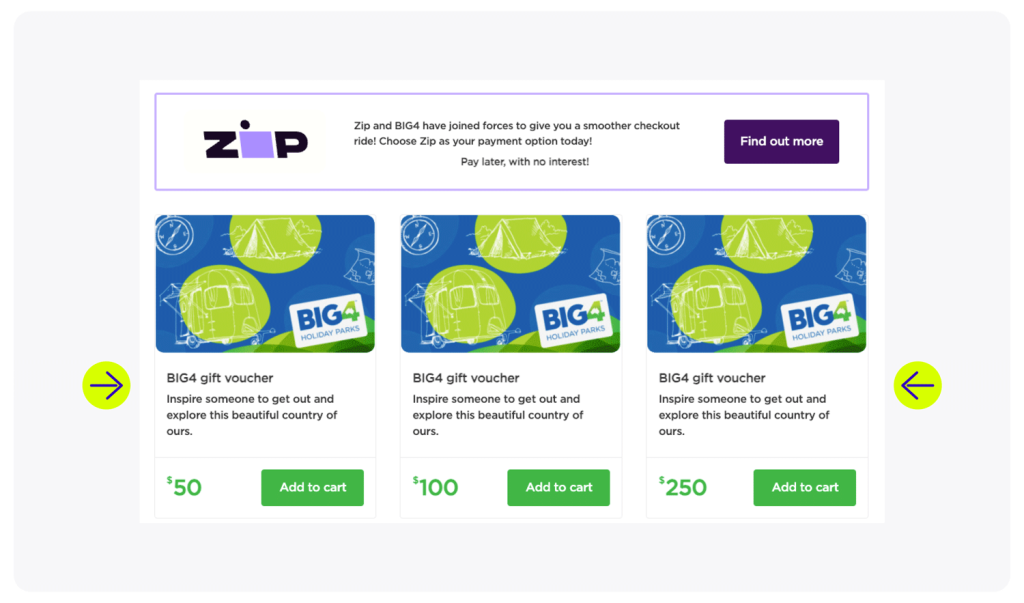
Make gifting easy.
Feature products, bundles, or vouchers they can share with the people they care about.
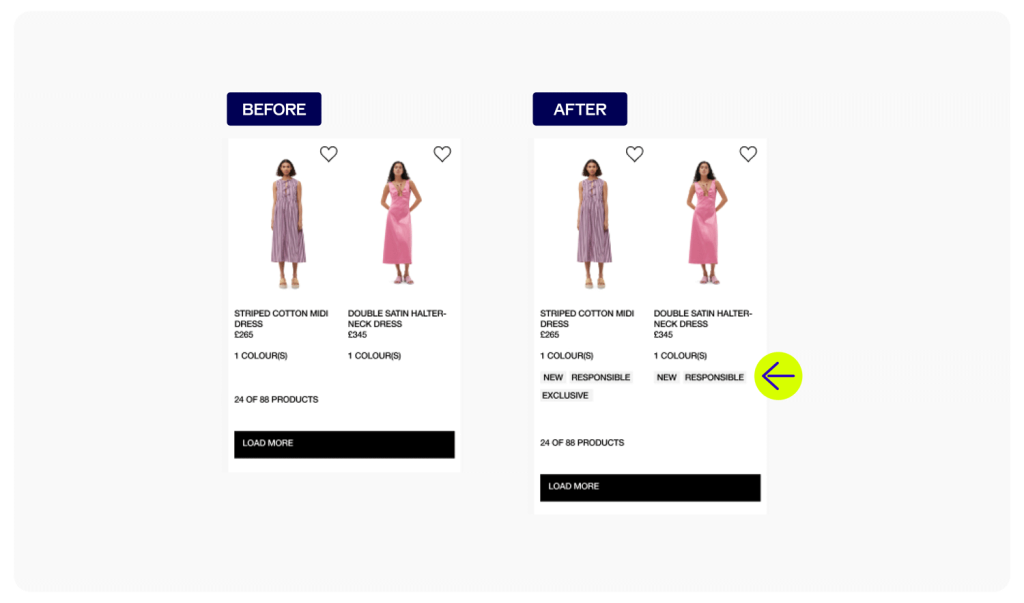
Highlight your impact.
Eco-friendly labels, sustainability tags, and social impact messaging resonate deeply with this segment.
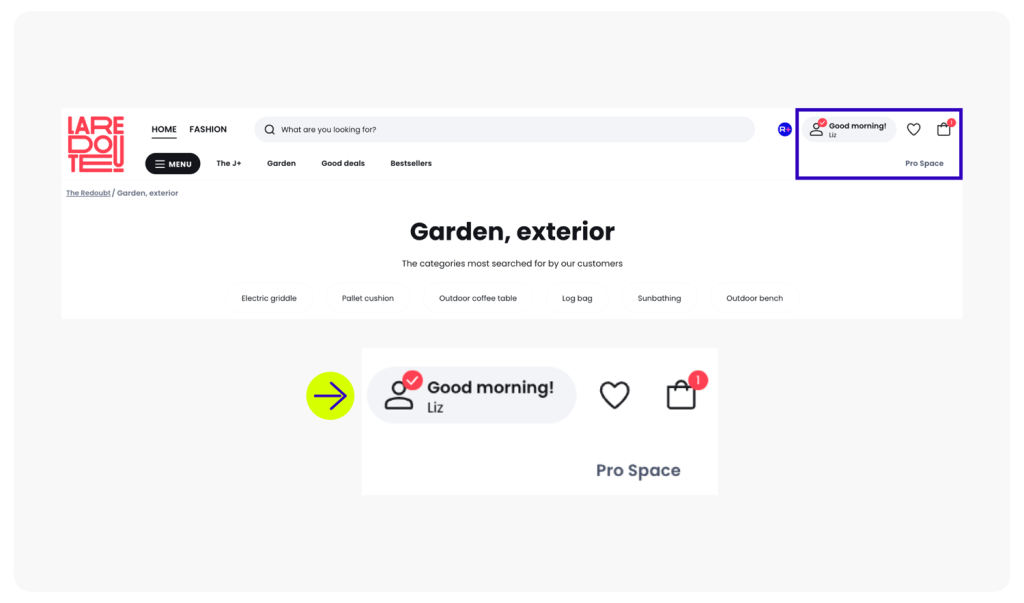
Get personal.
Use their first name where you can. It’s a small touch that makes them feel like part of your community, not just another visitor.
6. Immediacy
~5% of your audience
These visitors move fast. They want to act now, and anything slowing them down is a problem.
What drives them:
Immediacy-oriented visitors crave instant gratification. They want quick results, constant momentum, and simple choices. Complexity, long reads, and cluttered pages? All dealbreakers.
What’s in our toolbox for Immediacy?
- Banner widget
- Virtual click widget
- Wheel of fortune widget
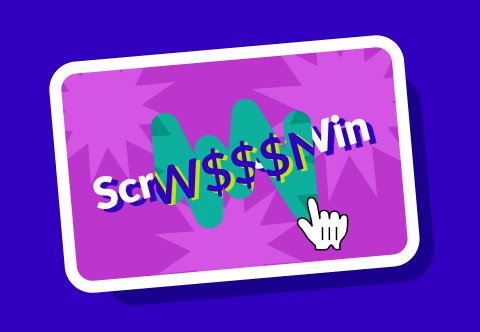
- Scratch card widget
Use cases:
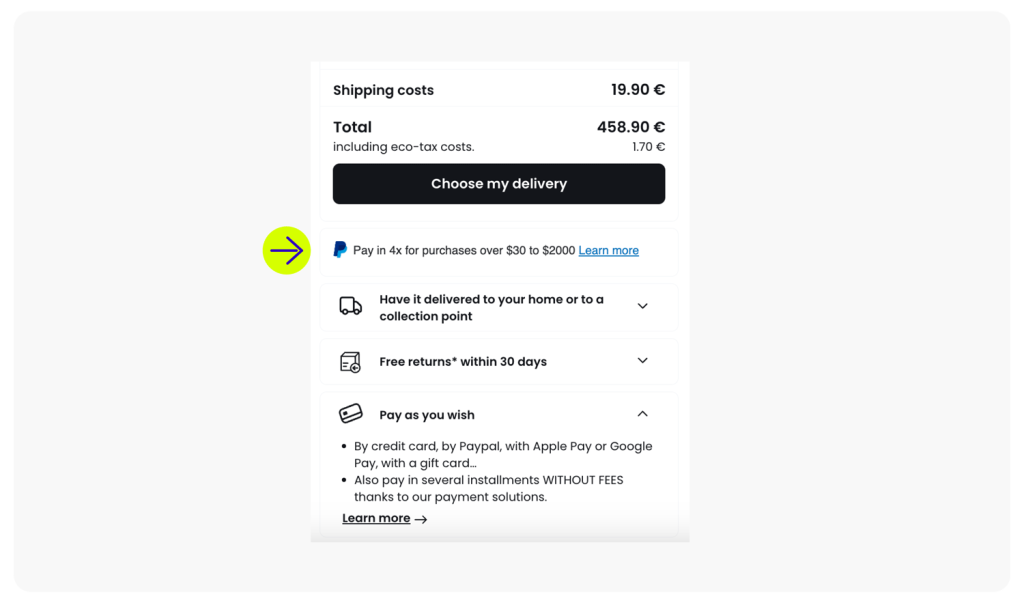
Highlight flexible options.
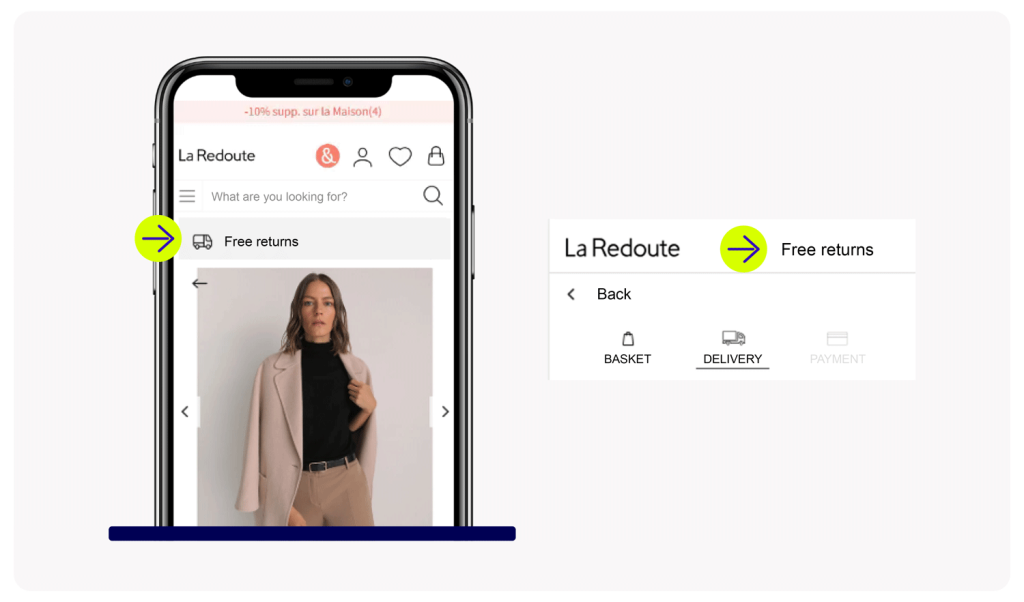
Free returns, buy-now-pay-later, and other low-friction features remove the last barriers to action.
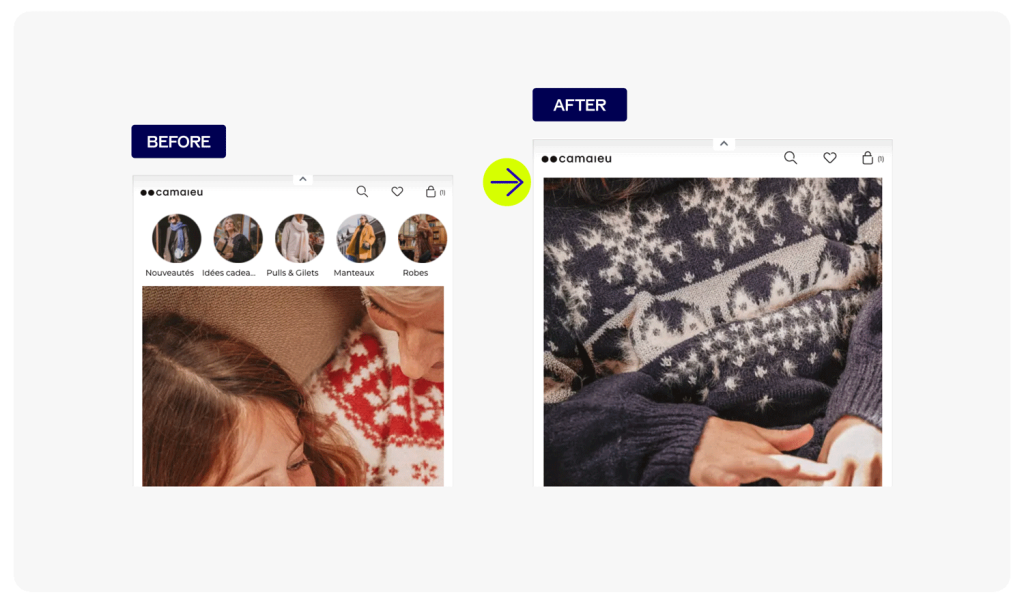
Less is more.
Remove distracting elements, like a navigation bar on mobile, so nothing pulls their focus away from converting.
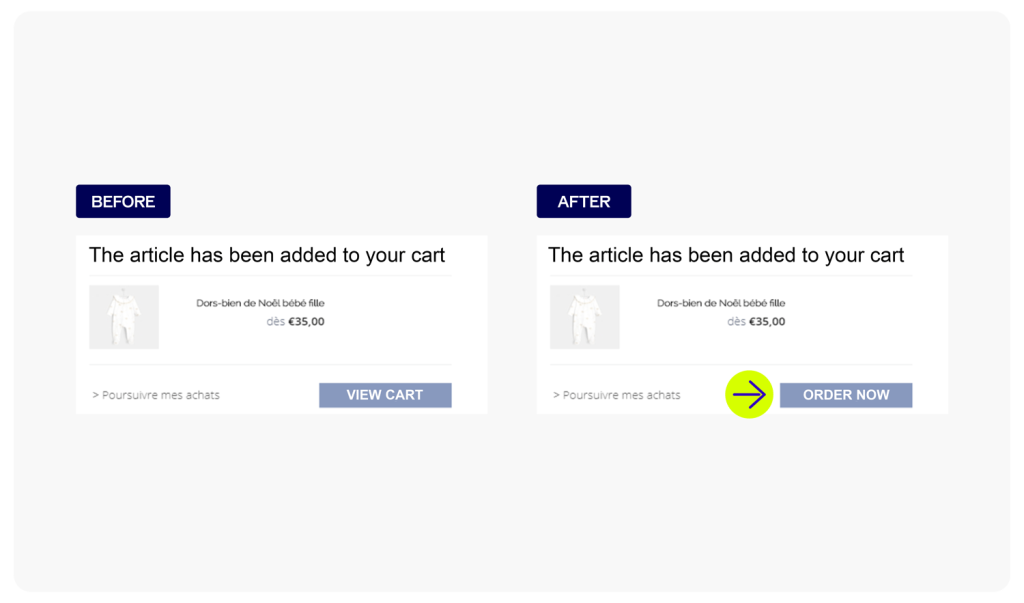
Make the CTA impossible to ignore.
Action-driven copy like “Order Now” speaks their language. Be direct, be bold.
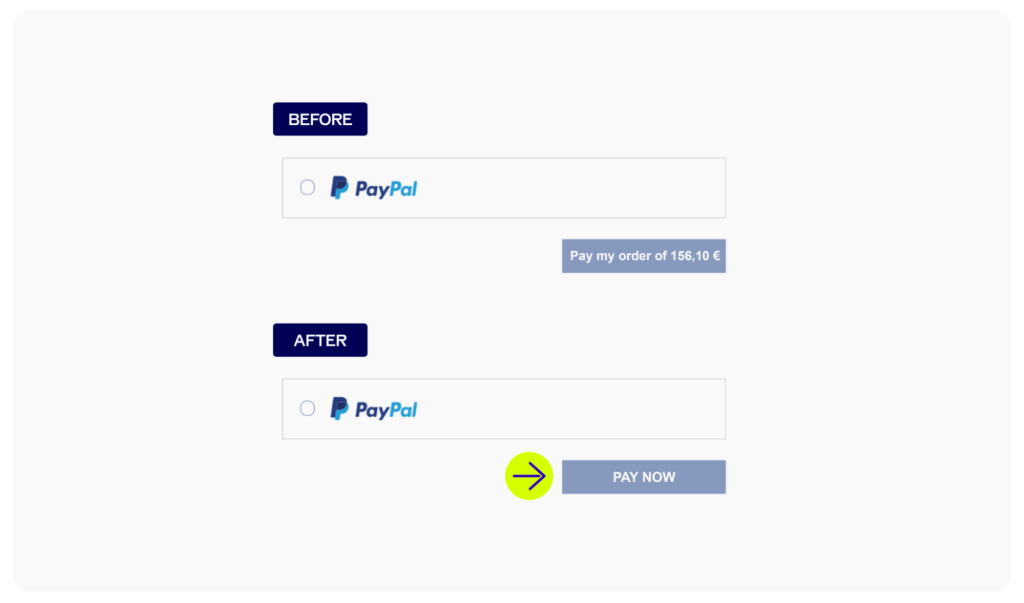
Limit excess information.
Keep information tight and scannable. This segment isn’t here to read—they’re here to act.
7. Notoriety
~2% of your audience
These visitors don’t take chances. They trust what’s already been proven.
What drives them:
Notoriety-seeking visitors follow the crowd—intentionally. They rely on social proof, established reputations, and validated choices to feel confident. Uncertainty is uncomfortable; credibility is everything.
What’s in our toolbox for Notoriety?
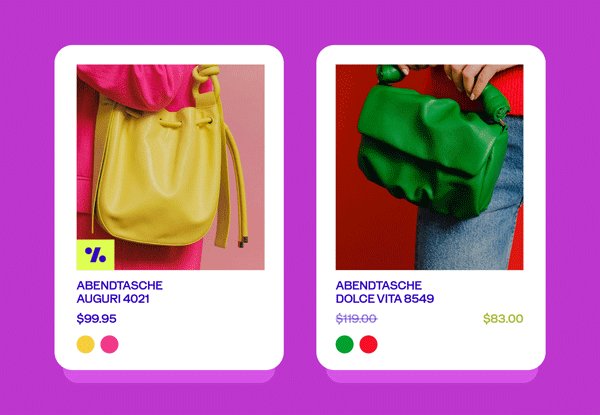
- Social proof widget
- Spotlight widget
- Social sharing widget
- Best seller recommendation
Use cases
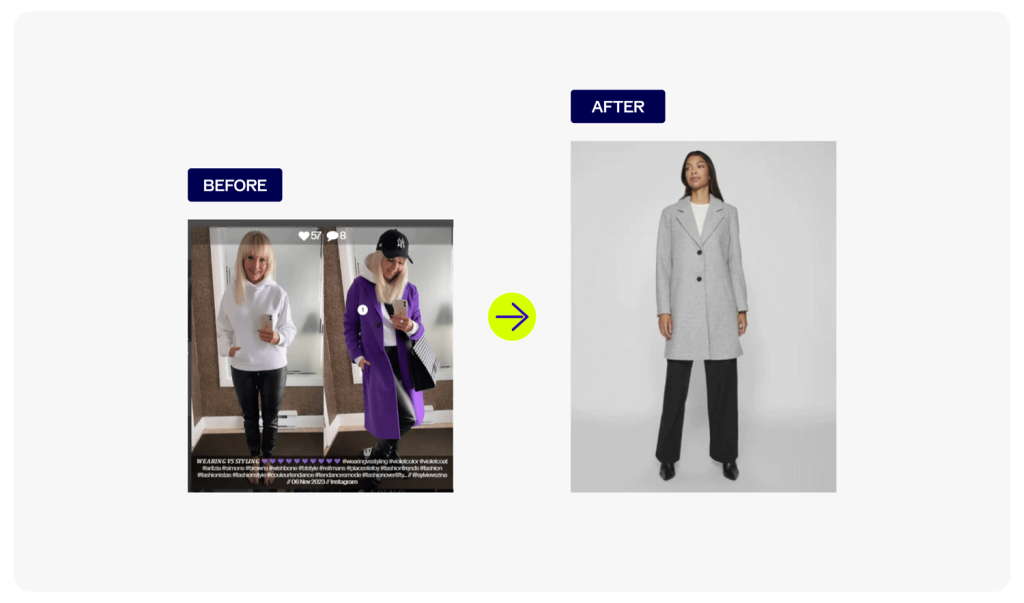
Invest in quality visuals.
Professional, polished photography signals sophistication and builds instant credibility, far more than user-generated content for this segment.
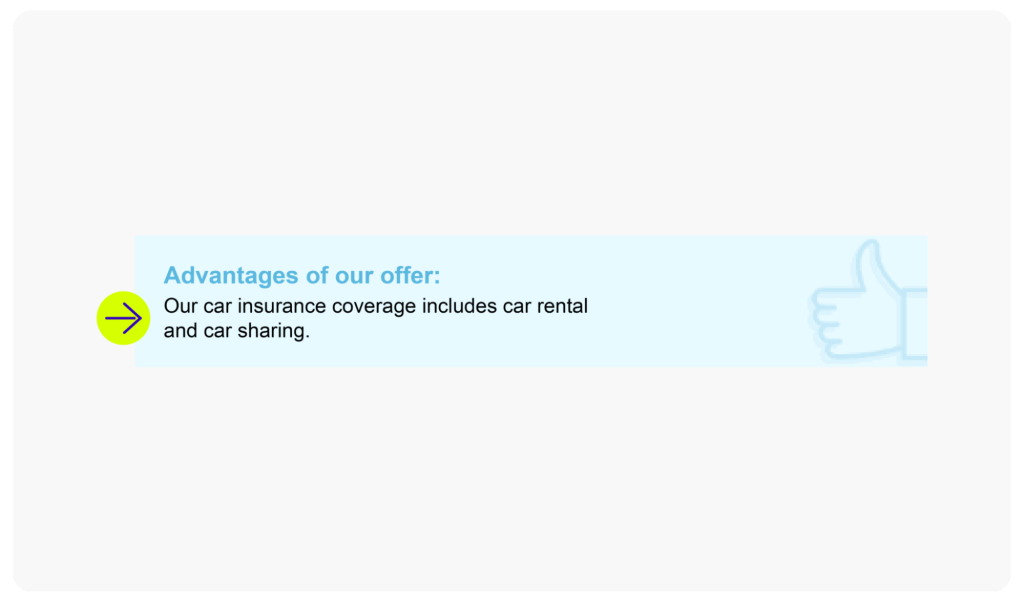
Make guarantees visible.
Highlight your highest quality standards, warranties, and guarantees. The stronger the proof, the lower the perceived risk.
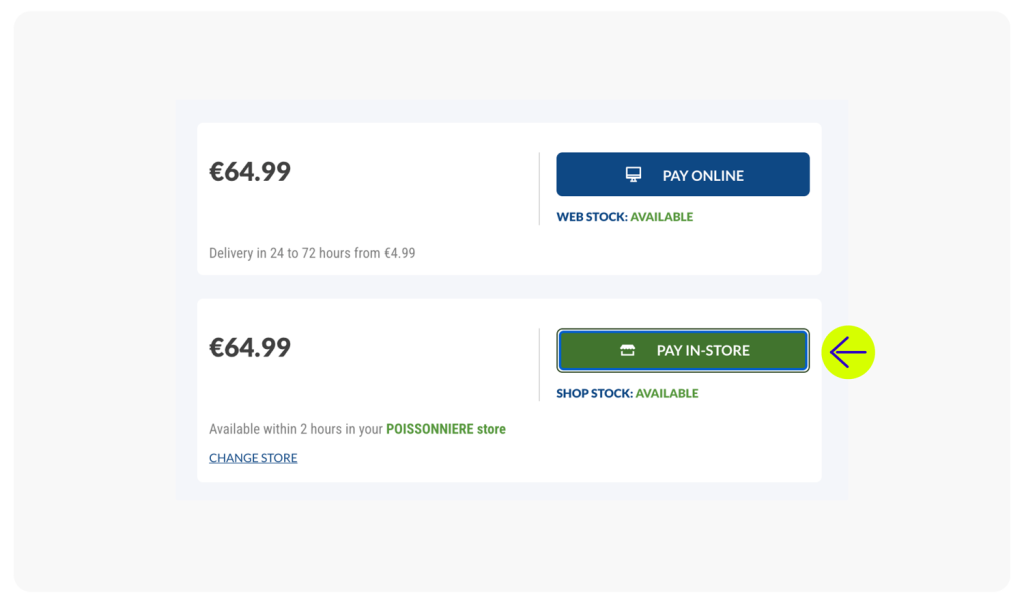
Stick to familiar payment methods.
In-store purchase options and classic payment methods feel safer and more trustworthy to this segment.
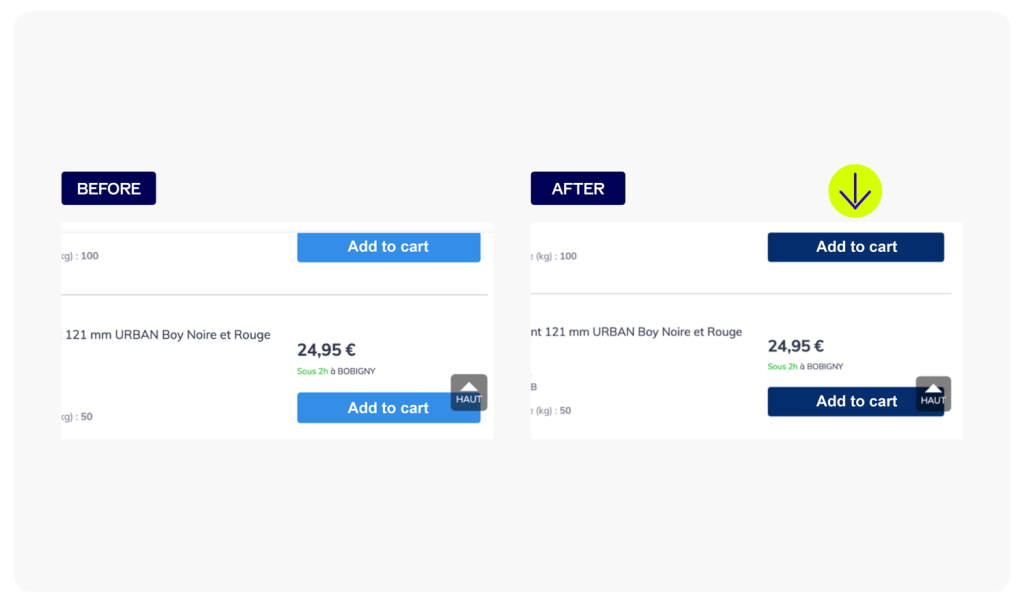
Go darker with your palette.
Deeper, more somber tones read as sophisticated and credible—a subtle but effective design cue for notoriety-seeking visitors.
8. Understanding
~9% of your audience
These visitors do their homework. They want the full picture before they commit.
What drives them:
Understanding-oriented visitors are logical, goal-driven, and detail-focused. They want clear, well-structured information that helps them make confident, rational decisions. Vague claims and fluffy copy won’t cut it—facts and clarity will.
What’s in our toolbox for Understanding?
- Banner widget
- iFrame widget
- Video pop-in widget
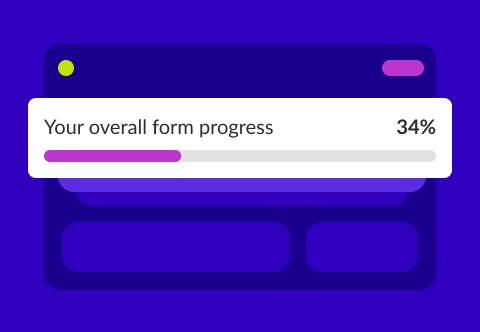
- Progress bar widget
Use cases
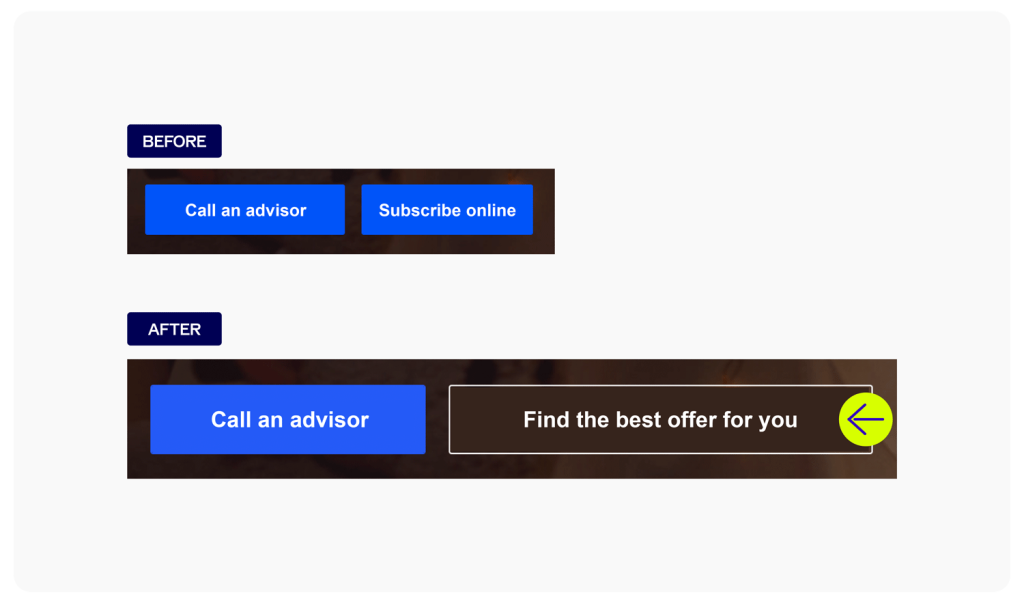
Give them more information to work with.
Don’t hold back on information. The more detailed and well-organized it is, the better their decision-making experience will be
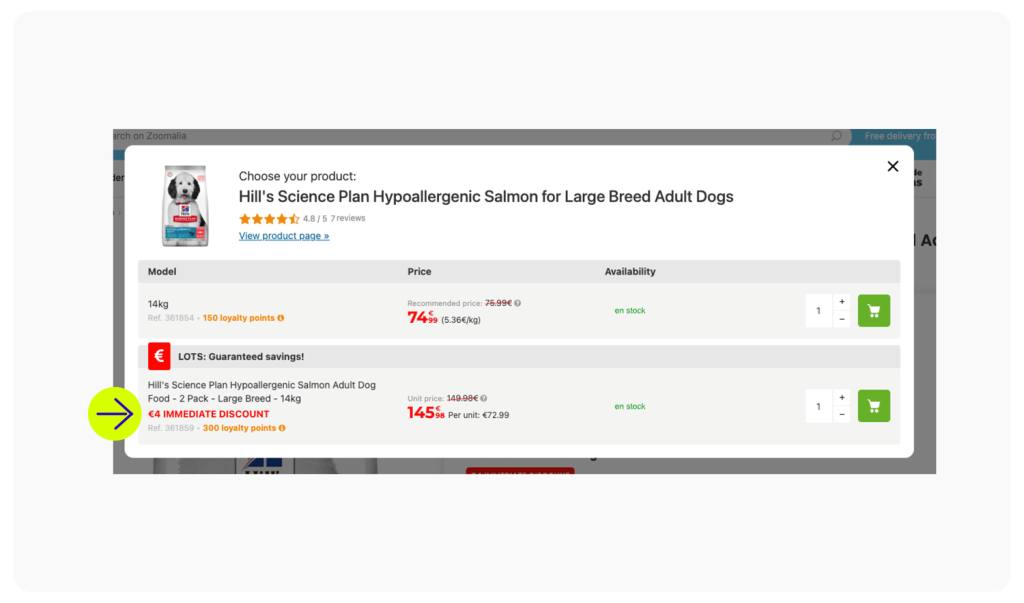
Lead with numbers.
Data, percentages, and concrete figures resonate more than storytelling. Remind them of their discount consistently throughout the journey.
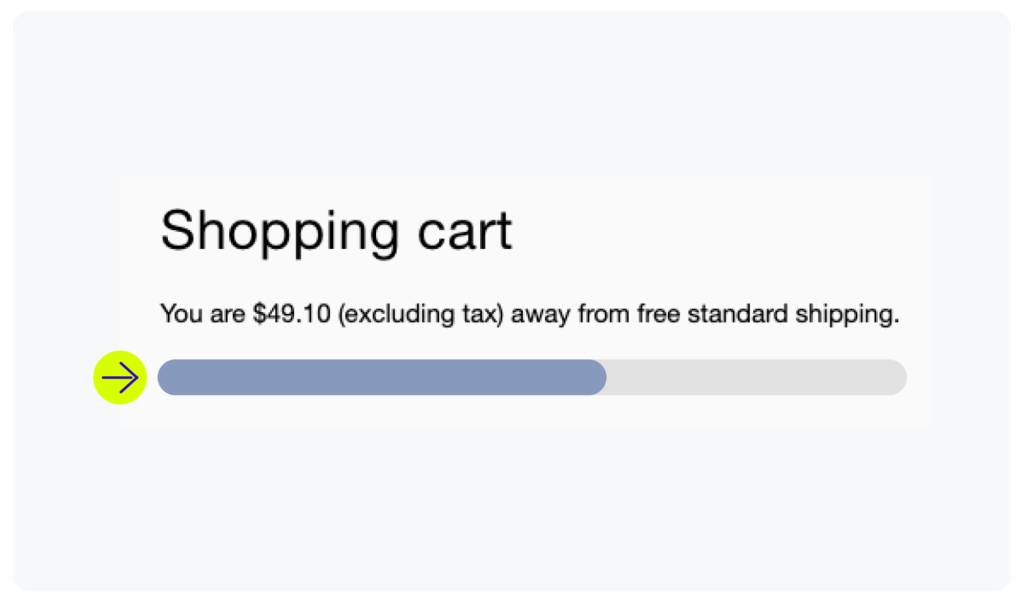
Show them their progress.
A progress bar toward a free delivery threshold, for example, gives them a clear goal to work toward, which motivates them to reach it.
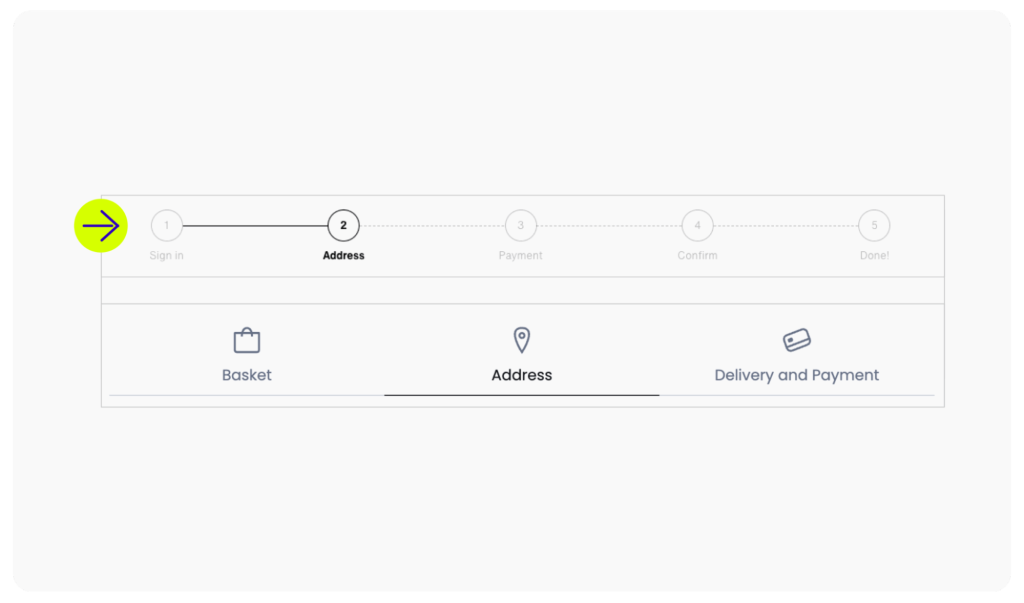
Make the checkout crystal clear.
Break each step of the purchase funnel down explicitly. No guesswork, no surprises.
9. Change
~8% of your audience
These visitors are here for what’s new. Routine is their least favorite word.
What drives them:
Change-oriented visitors are adventurous by nature. They’re always on the lookout for fresh experiences, bold ideas, and anything that breaks the mold. The familiar doesn’t excite them—the unexpected does.
What’s in our toolbox for Change?
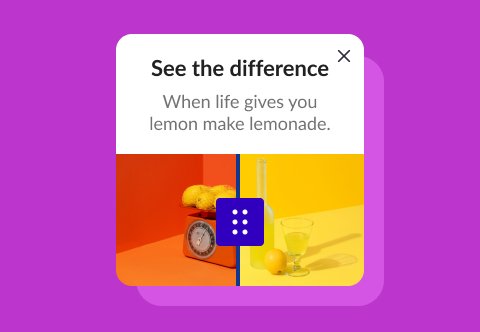
- Banner widget
- Before/after image widget
- Snowflake animation widget
- Video pop-in bar widget
Use cases:
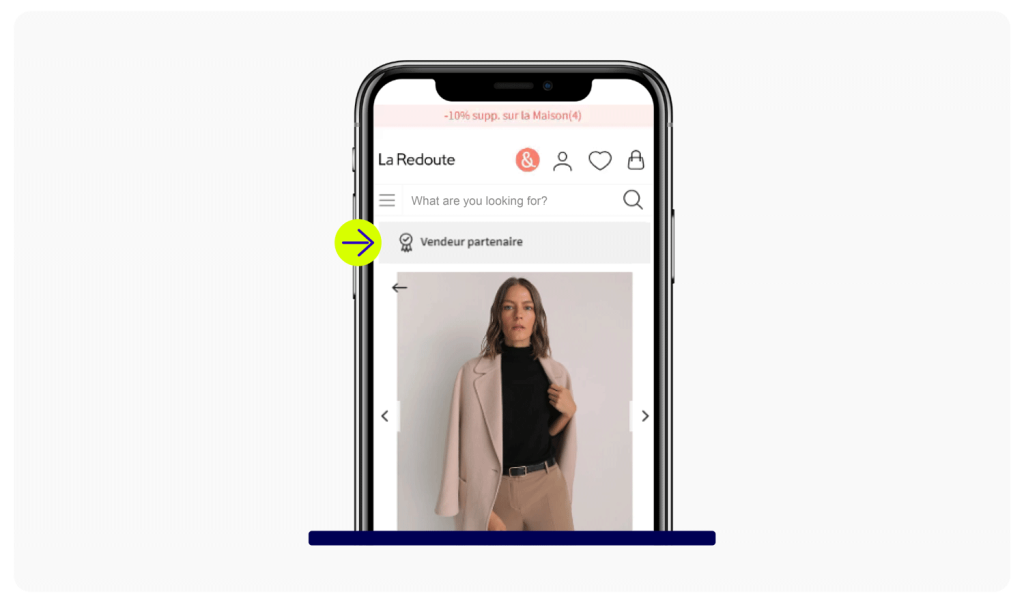
Lead with what’s new.
Launching a marketplace or a new partner vendor? Make it a feature, not a footnote.
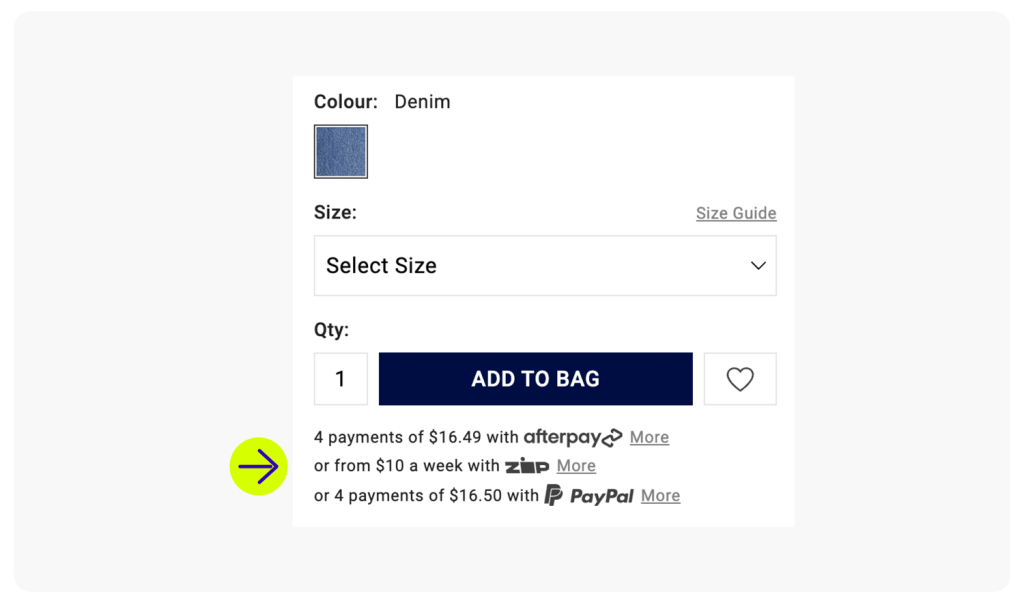
Embrace modern payment options.
Buy Now, Pay Later (BNPL) and other innovative payment methods keep the momentum going—and feel fresh enough to appeal to this segment.
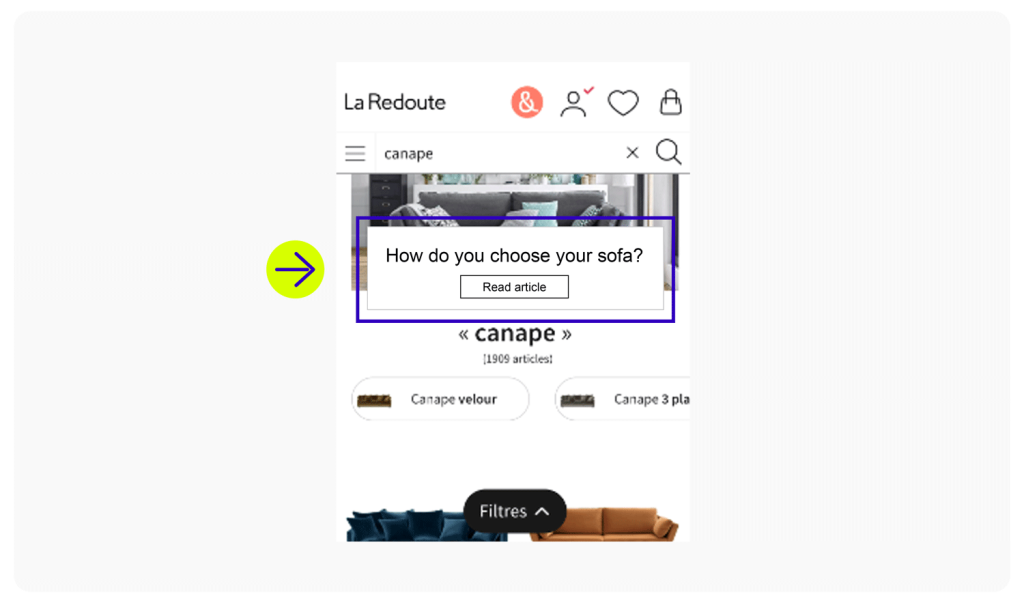
Let them explore.
Insert buying guides or discovery tools in search results to feed their curiosity and encourage exploration.
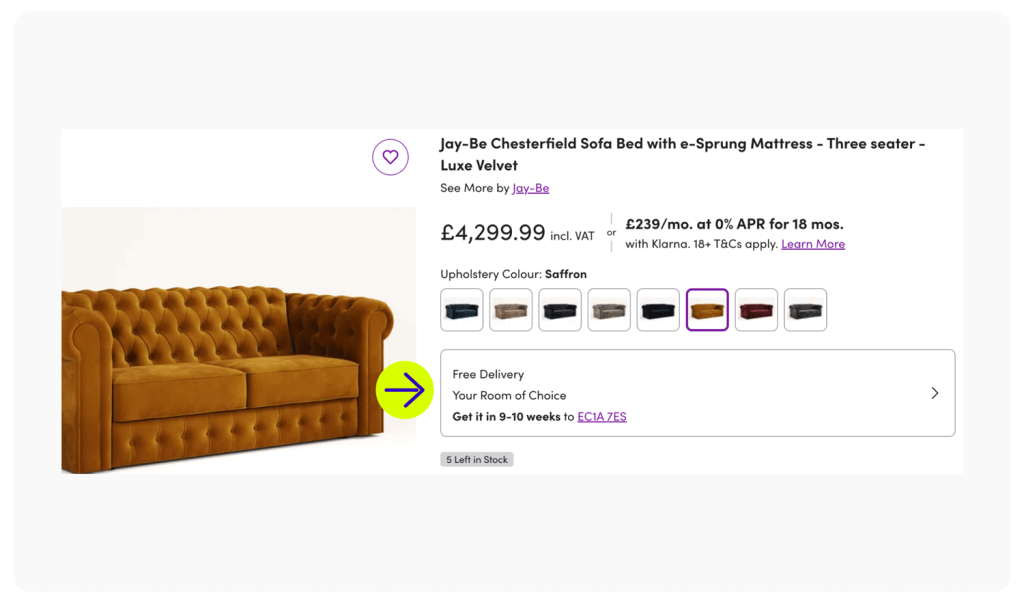
Highlight unique services.
Unconventional delivery options, like room-of-choice delivery, are exactly the kind of detail that catches their eye.
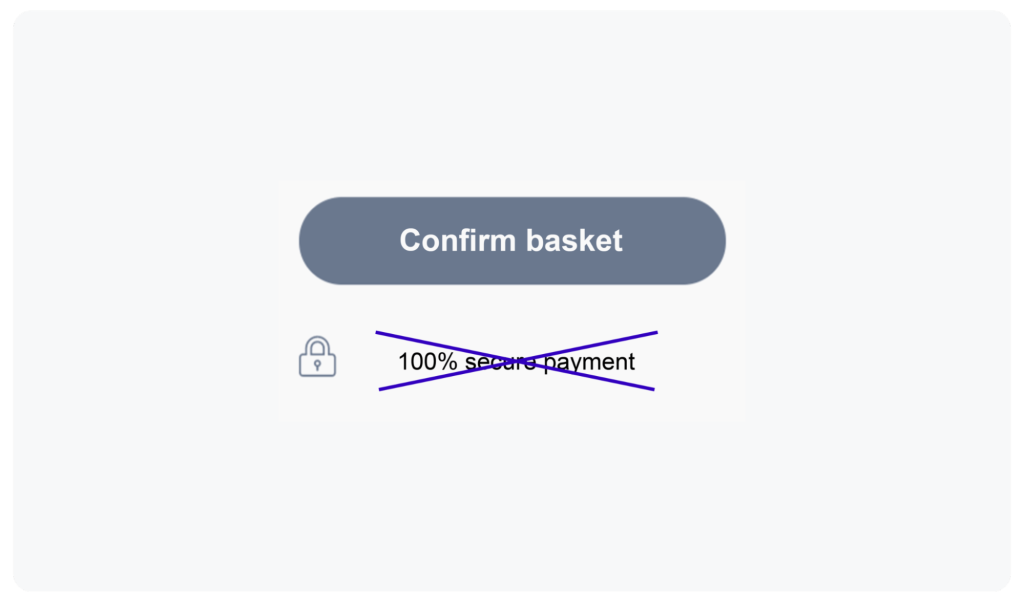
Drop the standard reassurances.
Badges like “100% secure payment” feel old news to this segment. Swap them out for something that feels more current and exciting.
10. Quality
~3% of your audience
These visitors aren’t swayed by deals. They’re here for the best—and they know it when they see it.
What drives them:
Quality-oriented visitors make decisions based on craftsmanship, reputation, and story. They want to understand what makes a product exceptional rather than how much it costs. Numbers take a back seat; narrative and detail take the wheel.
What’s in our toolbox for Quality?
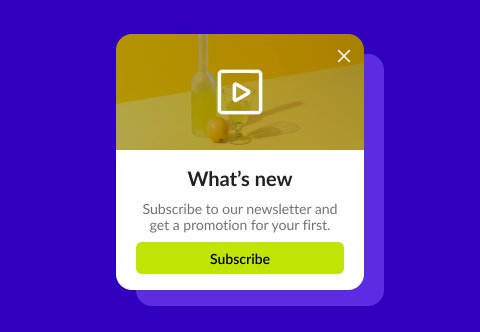
- Before/after image widget
- Video pop-in widget
- NPS widget
- Banner widget
Use cases:
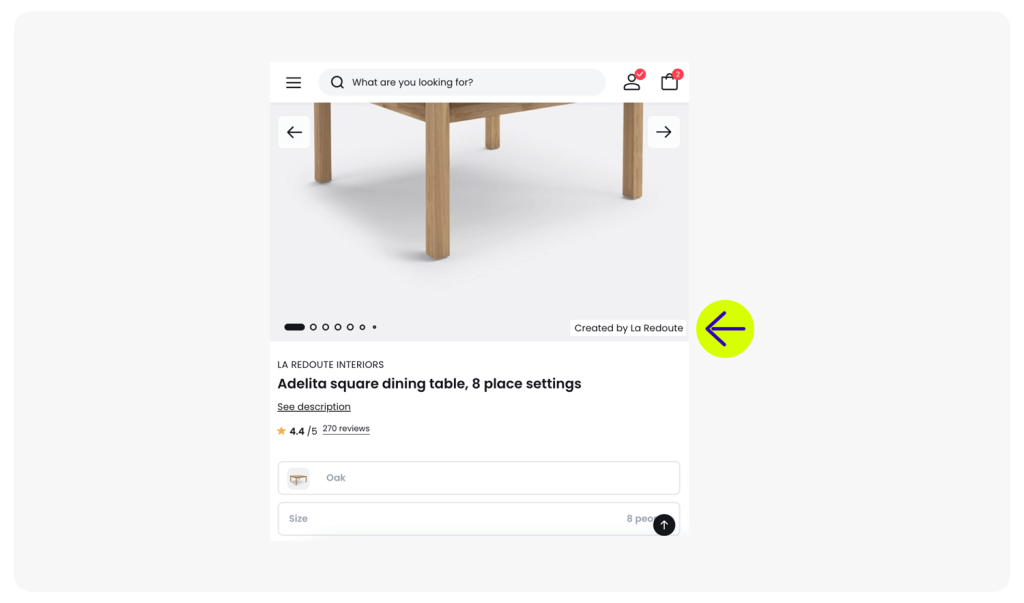
Tell the brand story.
Go beyond the product specs. Feature the brand heritage, the craftsmanship, the “why behind the what”. That’s what this segment connects with.
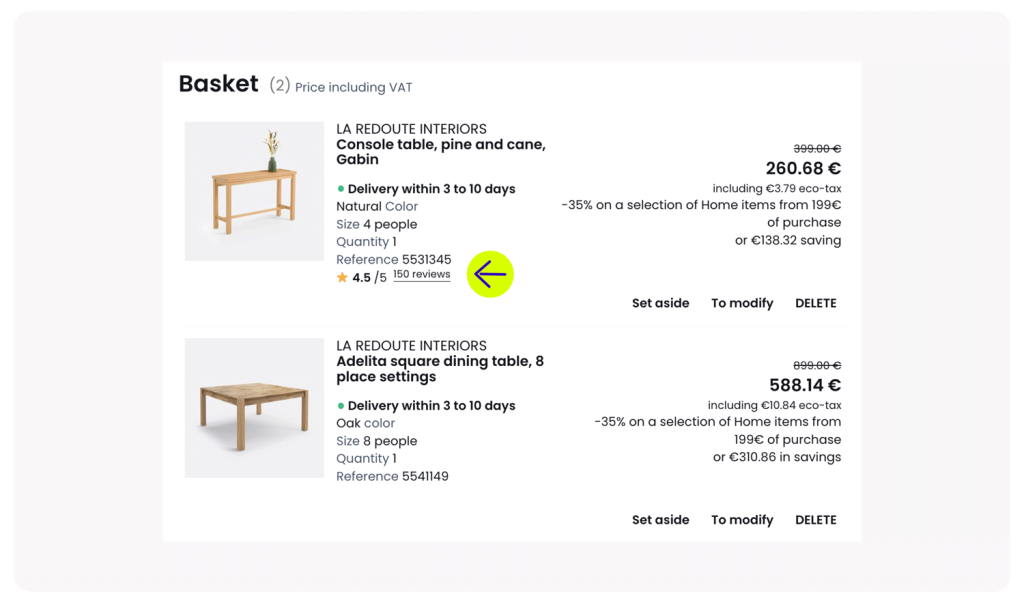
Let other buyers speak.
Detailed reviews and quality certifications carry real weight here. Peer validation through a quality lens is far more persuasive than star ratings alone.
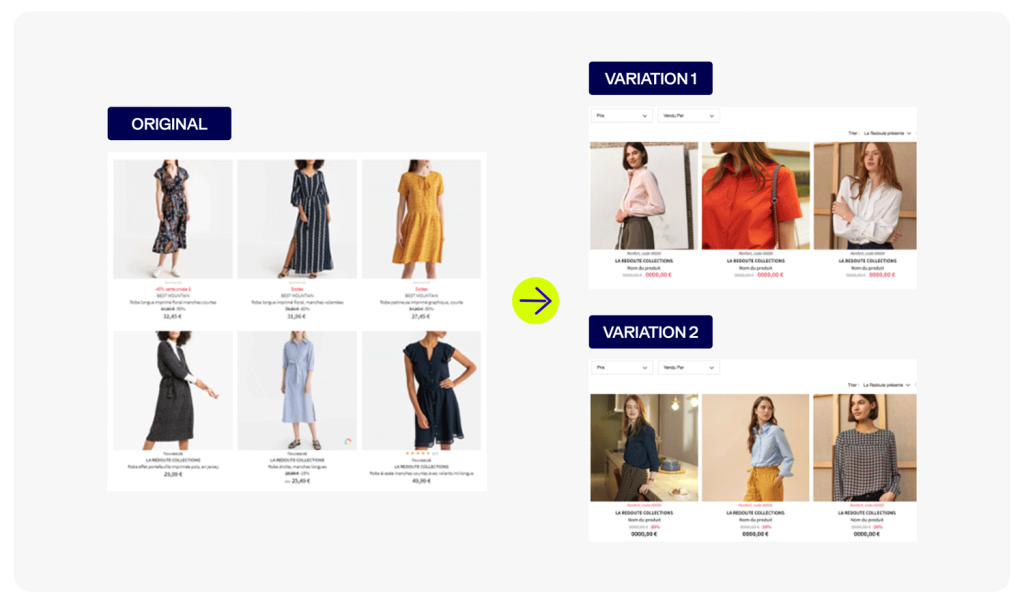
Go easy on the discounts.
Pushing price cuts can actually undermine perceived quality for this segment. Let the product speak for itself.
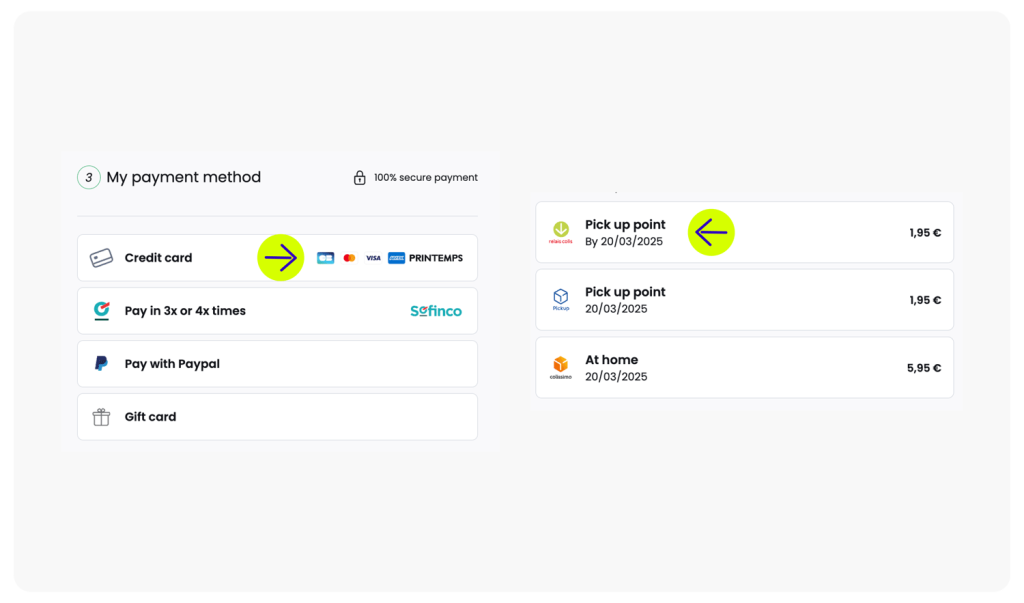
Stick to trusted partners.
Well-known payment and delivery partners signal reliability and quality, making them a safer bet than unfamiliar alternatives.
Conclusion
No two visitors are the same, and now you don’t have to treat them that way.
EmotionsAI gives your team the ability to go beyond surface-level behavior and tap into what’s actually driving each visitor’s decisions. Whether they’re chasing quality, craving comfort, or ready to act in seconds, you now have the insight to meet them exactly where they are.
That’s the real power of emotional segmentation. Not just smarter personalization, but more human experiences. Ones that feel less like marketing and more like understanding.
Ready to see which emotional segments are showing up on your site? Let’s find out together. Get a demo.
Categories: