 DE
DE
 BR
BR




 ChatGPT
 Perplexity
 Gemini
 Claude
 Grok
Grok
15 Top eCommerce Personalization Examples to Boost Your Sales
Running an eCommerce business today means fighting against a sea of online noise. You can’t afford to treat every shopper the same; they expect to feel seen and understood.
Think about this: 91% of consumers are more likely to shop with brands that remember their preferences and offer relevant, personalized recommendations. That makes personalization less of a luxury and more of the single most crucial driver of loyalty and sales.
Ready to make every visitor feel like you built your eCommerce store just for them? We’ve compiled 15 top-tier, tactical examples of eCommerce personalization you can start using right now to boost your sales. Let’s dive in!
What is eCommerce personalization?
eCommerce personalization is the practice of tailoring a shopper’s online experience using customer data such as browsing behavior, preferences, purchase history, and intent, forming the foundation of personalization in eCommerce.
Instead of offering a one-size-fits-all storefront, brands deliver content, offers, and experiences that feel relevant to each user.
15 eCommerce personalization examples: A quick overview
Below is a quick list of the most effective eCommerce personalization tactics used by leading brands today. We’ll dive deeper into each example in the next section.
- Personalized product recommendations
- Personalized upsells and cross-sells
- Personalized landing pages and homepages
- Dynamic content display (banners, hero images, featured modules)
- Personalized on-site search results & suggested searches
- Customized navigation and menus
- User-specific discount offers (real-time, behavioral, or contextual)
- Location-aware / geo-targeted offers
- Interactive personalization tools (quizzes, product finders, preference surveys)
- Virtual try-on experience
- Recommendations for out-of-stock items
- Personalized “Shop the look” curation
- Contextual live chat
- Pick up where you left off, reminders
- Checkout personalization
15 eCommerce personalization examples: A closer look with practical examples
1. Personalized product recommendations
Personalized product recommendations involve suggesting items based on a shopper’s browsing history, purchase behavior, and real-time interactions, a key to increasing customer engagement and conversion rates.
Amazon showcases this well. When someone browses tablets, the site instantly updates product rows like “4 stars and above” and “Customers frequently viewed.” These sections highlight highly rated items and products that shoppers with similar browsing patterns have explored, making it easier for users to find the right fit quickly.
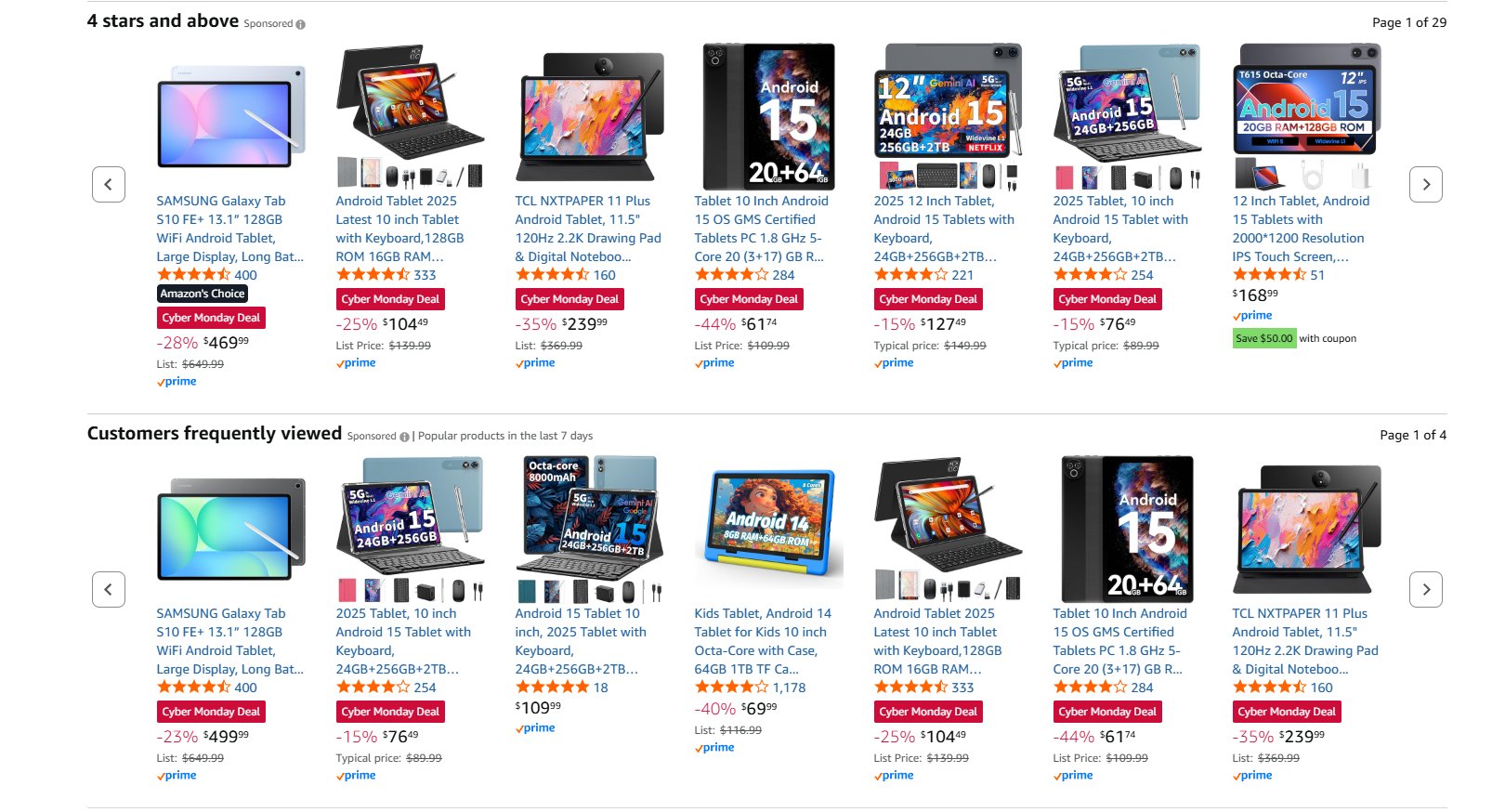
This keeps the experience intuitive, increases the likelihood of finding the right product, and significantly boosts conversions for both new and returning shoppers by supporting a more personalized shopping experience.
2. Personalized upsells and cross-sells
Personalized upsells and cross-sells involve recommending higher-value alternatives or complementary products based on what a shopper is currently viewing or has added to their cart.
When a customer selects an Apple MacBook model, the page intelligently suggests upgrades, such as additional storage or enhanced AppleCare+ (upsells), as well as essential add-ons like adapters, keyboards, or a Magic Mouse (cross-sells). Each suggestion aligns with the customer’s chosen configuration and typical buyer behavior.
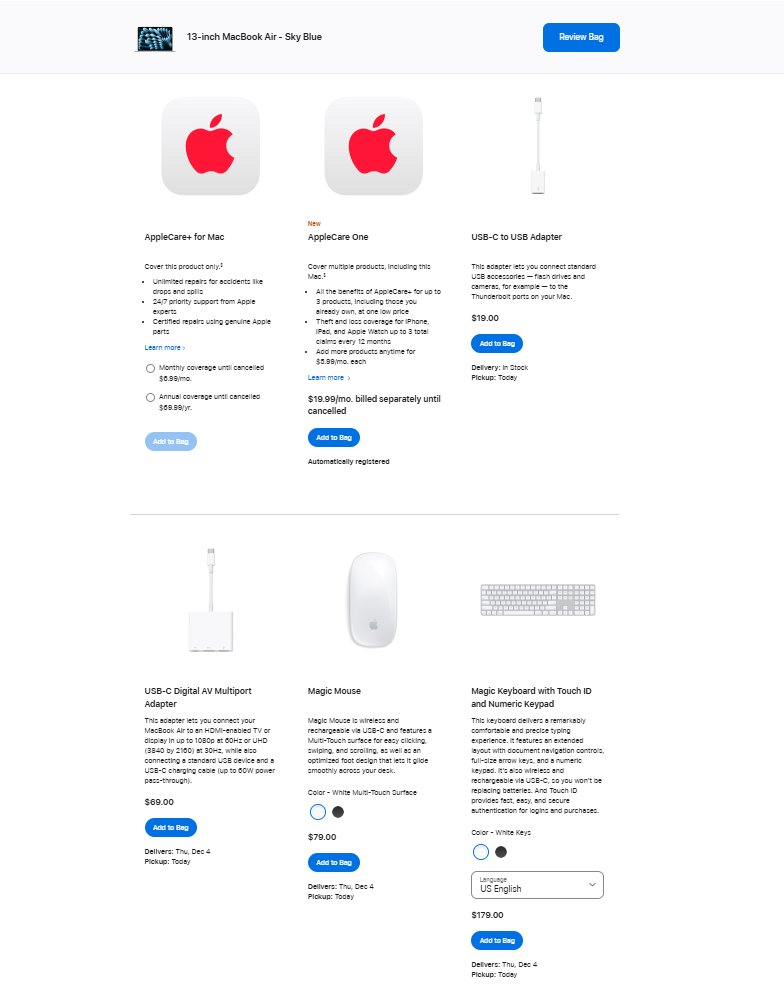
This ensures shoppers find everything they need in one place, increasing average order value while improving the overall shopping experience.
3. Personalized landing pages and homepages
Personalized landing pages adapt the homepage experience based on who the visitor is and what they’ve shown interest in during previous sessions.
To make returning shoppers feel instantly at home, Sephora adjusts its homepage based on past behavior. Someone who browsed gift sets or fragrances earlier is greeted with those categories right below the main banner, along with promotions tuned to their tastes, making the path to discovery much shorter.
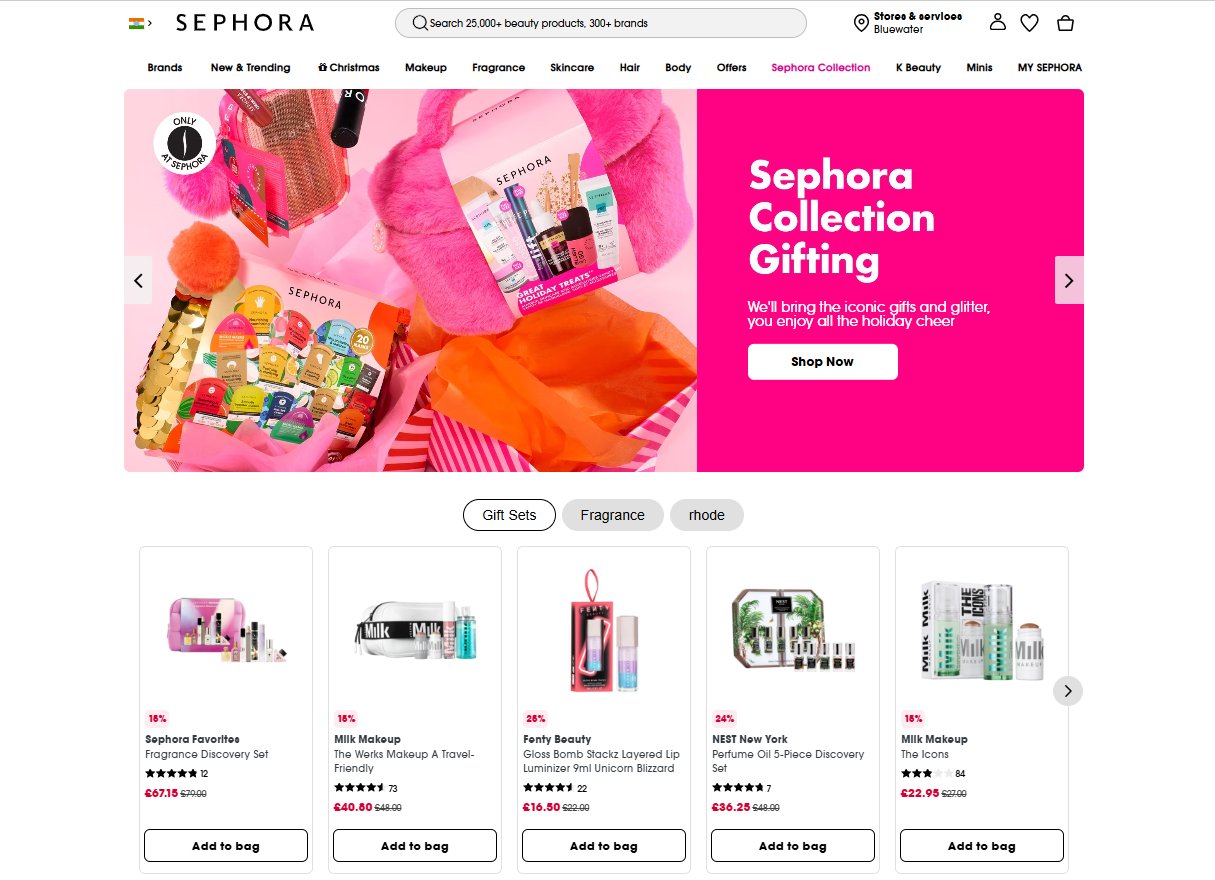
This level of familiarity makes the store feel instantly relevant and increases the chances of deeper engagement and conversion.
4. Dynamic content display
Dynamic content display personalizes specific parts of a webpage in real time by adjusting modules, recommendations, and product-related information, making personalization efforts more responsive to what the shopper is viewing.
On H&M’s product pages, this is easy to see in action. As a shopper interacts with an item, browsing colors, checking sizes, or scrolling, the page automatically updates sections like “Styled With,” “Similar Items,” and alternative color or pattern options. These blocks refresh dynamically to surface related outfits, complementary items, and close alternatives that match the shopper’s browsing behavior.
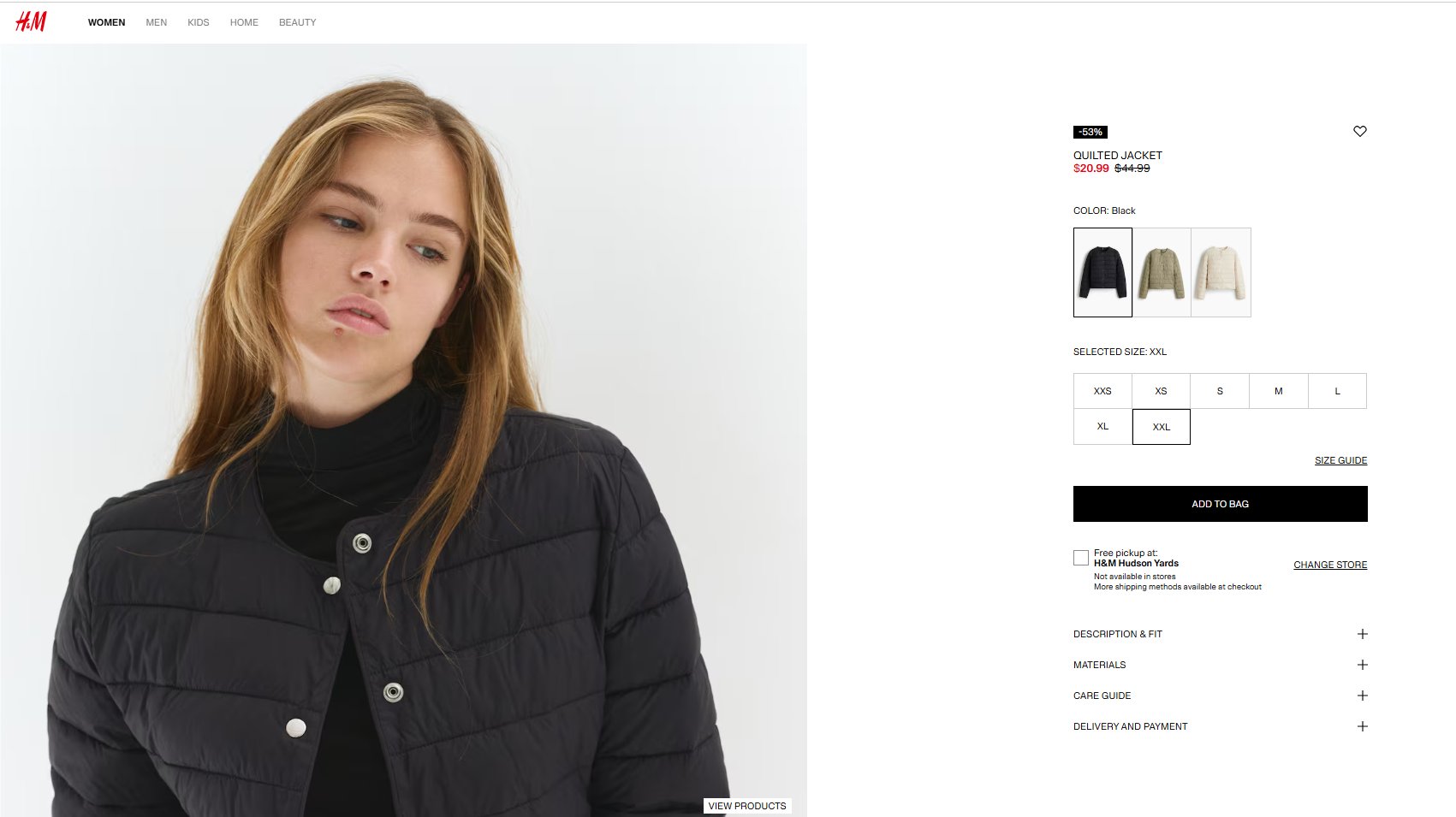
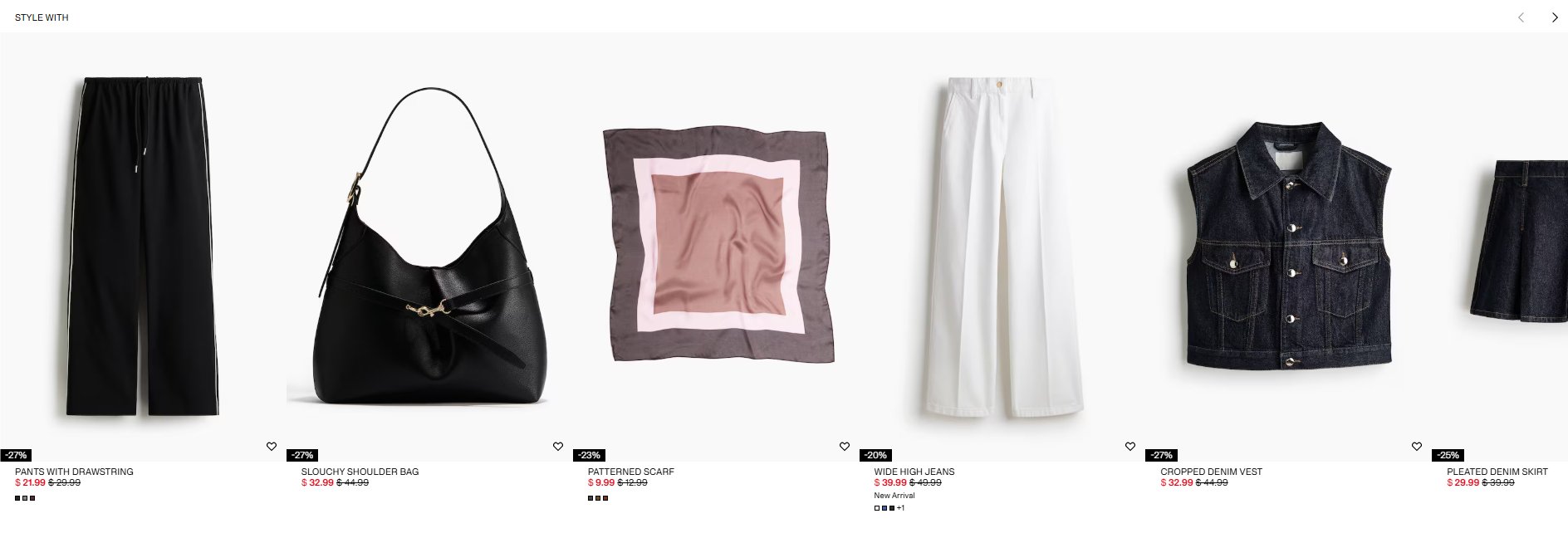
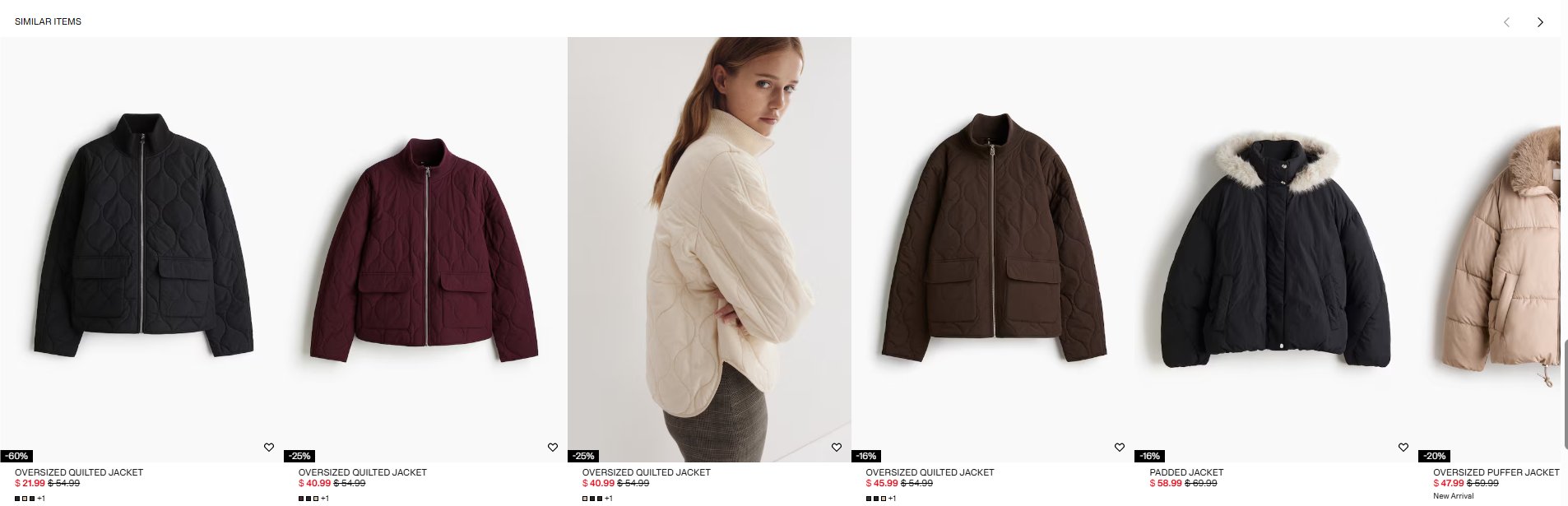
This reactive content helps shoppers explore more relevant options without leaving the page, making discovery smoother and increasing the likelihood of conversion on an eCommerce website.
5. Personalized on-site search results
Personalized on-site search adapts suggestions and rankings based on shopper behavior, seasonal demand, location, and historical user behavior.
At Target, you can see this the moment you click the search bar. The dropdown surfaces “Trending searches” that shift depending on what’s popular in your region, like Christmas pajamas, board games, or Apple Watch during the holidays. These suggestions help shoppers discover relevant items faster without typing full queries.
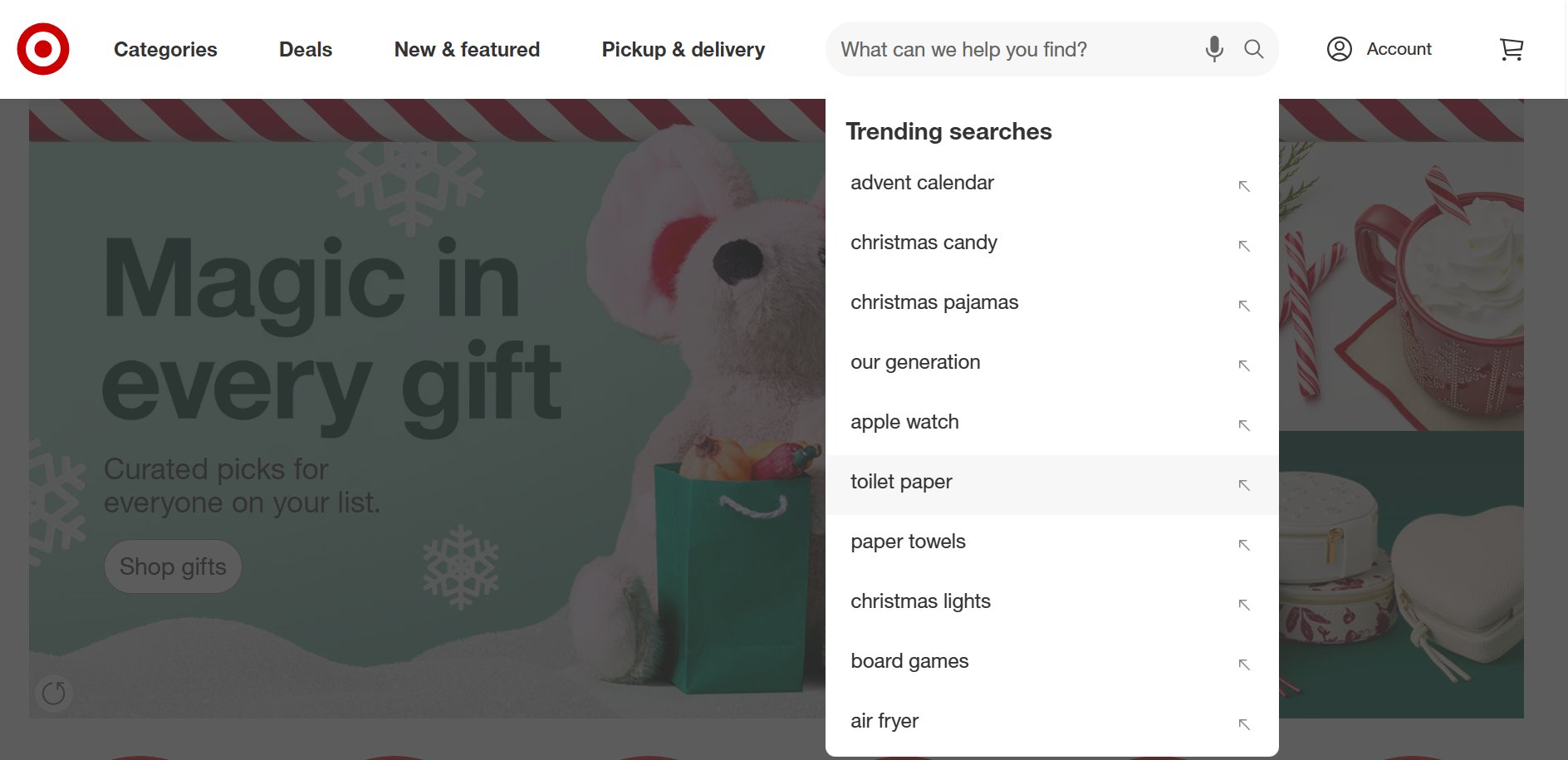
These searches feel intuitive and timely, increasing the chances that users find what they need quickly.
6. Customized navigation and menus
Customized navigation reorganizes the shopping flow to surface categories and products a user has explored before.
On Home Depot’s homepage, this appears as a “Recently Viewed” module and tailored “Deals for You,” which reflects the shopper’s past browsing, whether they looked at drills, tool sets, or storage units. These personalized shortcuts help users jump back into their shopping journey instantly.
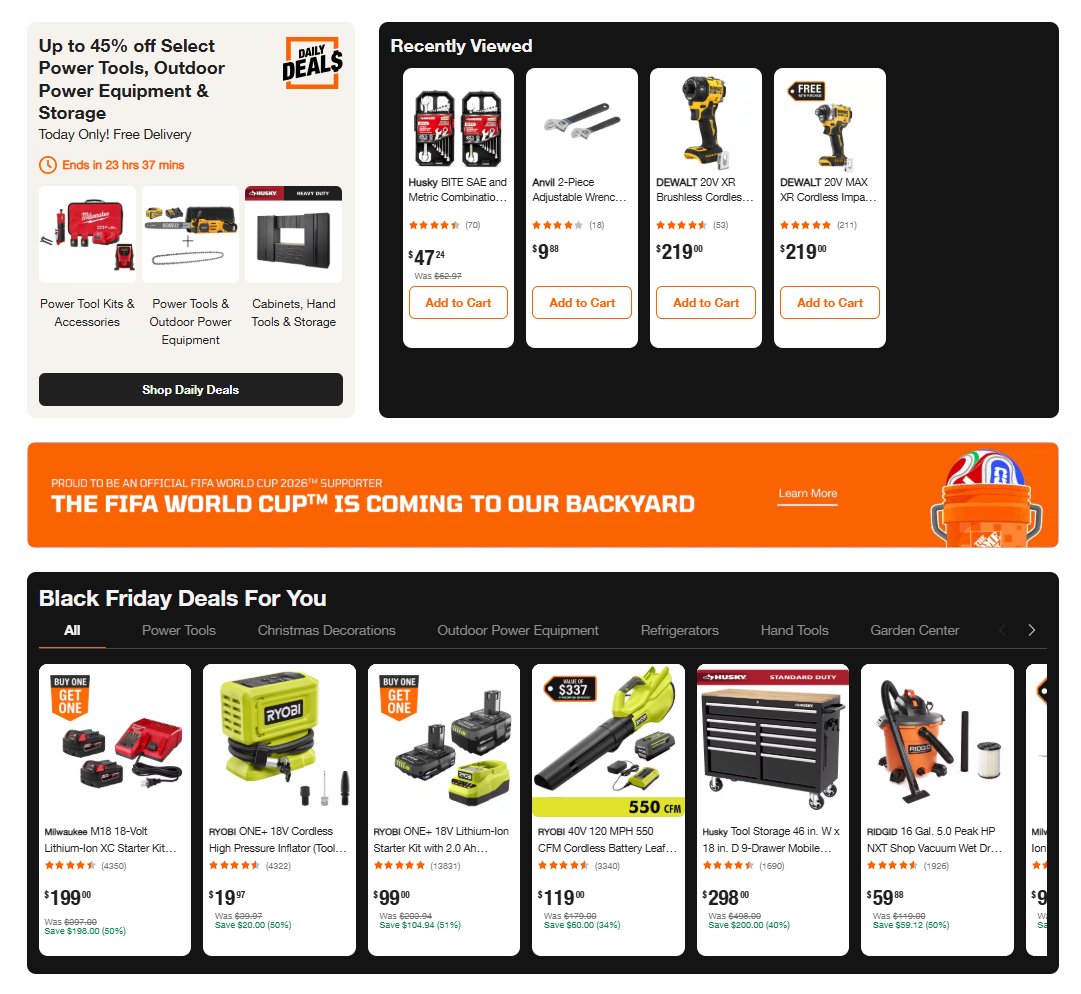
This kind of behavioral navigation reduces friction, shortens the path back to previously viewed items, and helps shoppers continue their projects without having to retrace their steps.
7. User-specific discount offers
User-specific discounting provides targeted incentives based on how a shopper interacts with the site, typically when they pause at the cart, compare prices, or show signs of hesitation.
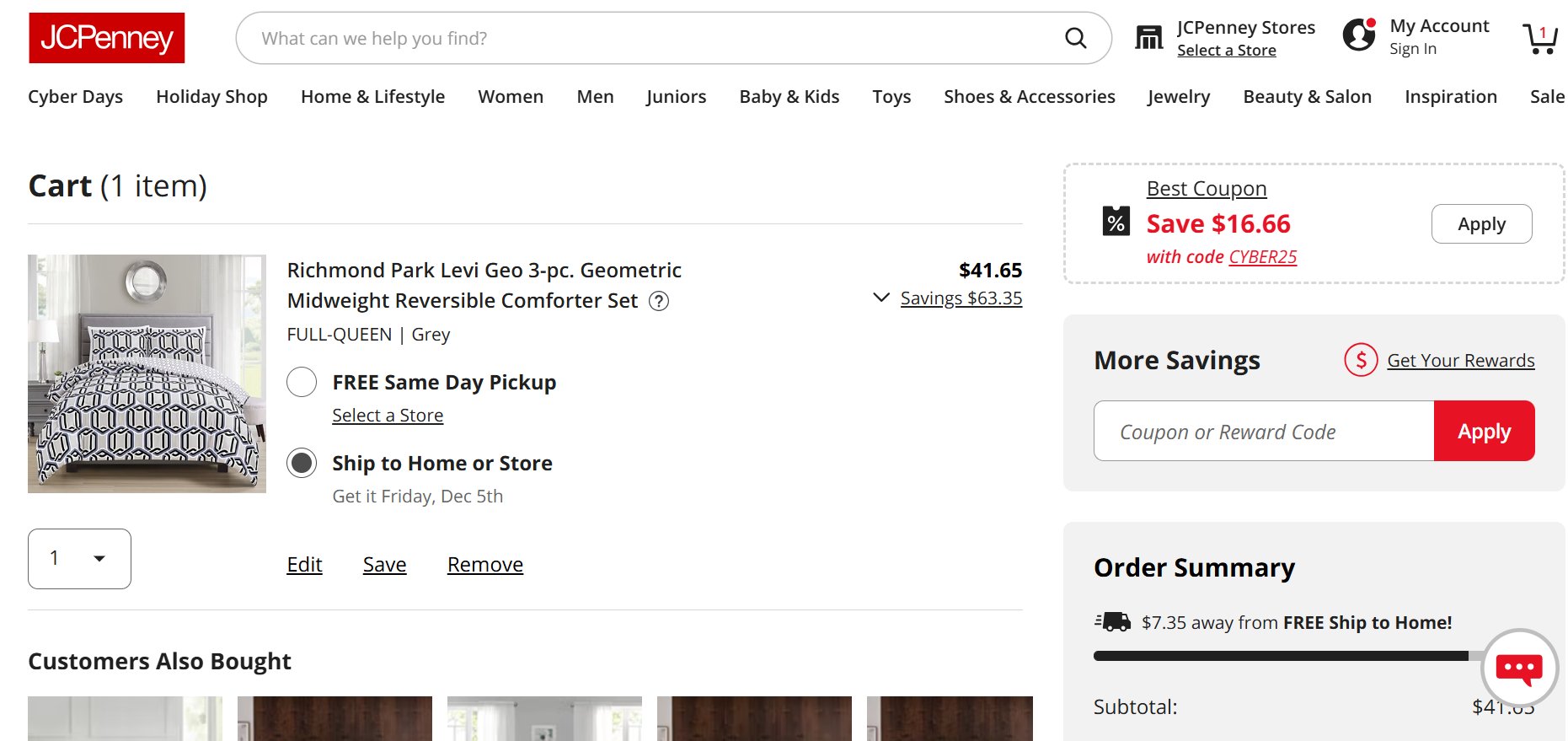
JCPenney personalizes discounts right inside the cart. Shoppers see a tailored “Best Coupon” message, showing exactly how much they can save on what they’re buying, plus additional savings prompts and free-shipping milestones. It’s a targeted way to win over price-conscious customers without eroding margins across the board.
8. Location-aware or geo-targeted offers
Geo-targeted offers personalize content based on where the shopper is located, adjusting delivery timelines, pricing, and product suggestions accordingly.
REI does this seamlessly. When a user views a product, the site automatically detects their nearest store, shows pickup eligibility, and updates shipping timelines based on their ZIP code. It even tailors recommendations to local conditions, like surf gear in coastal regions or snow gear in colder states.
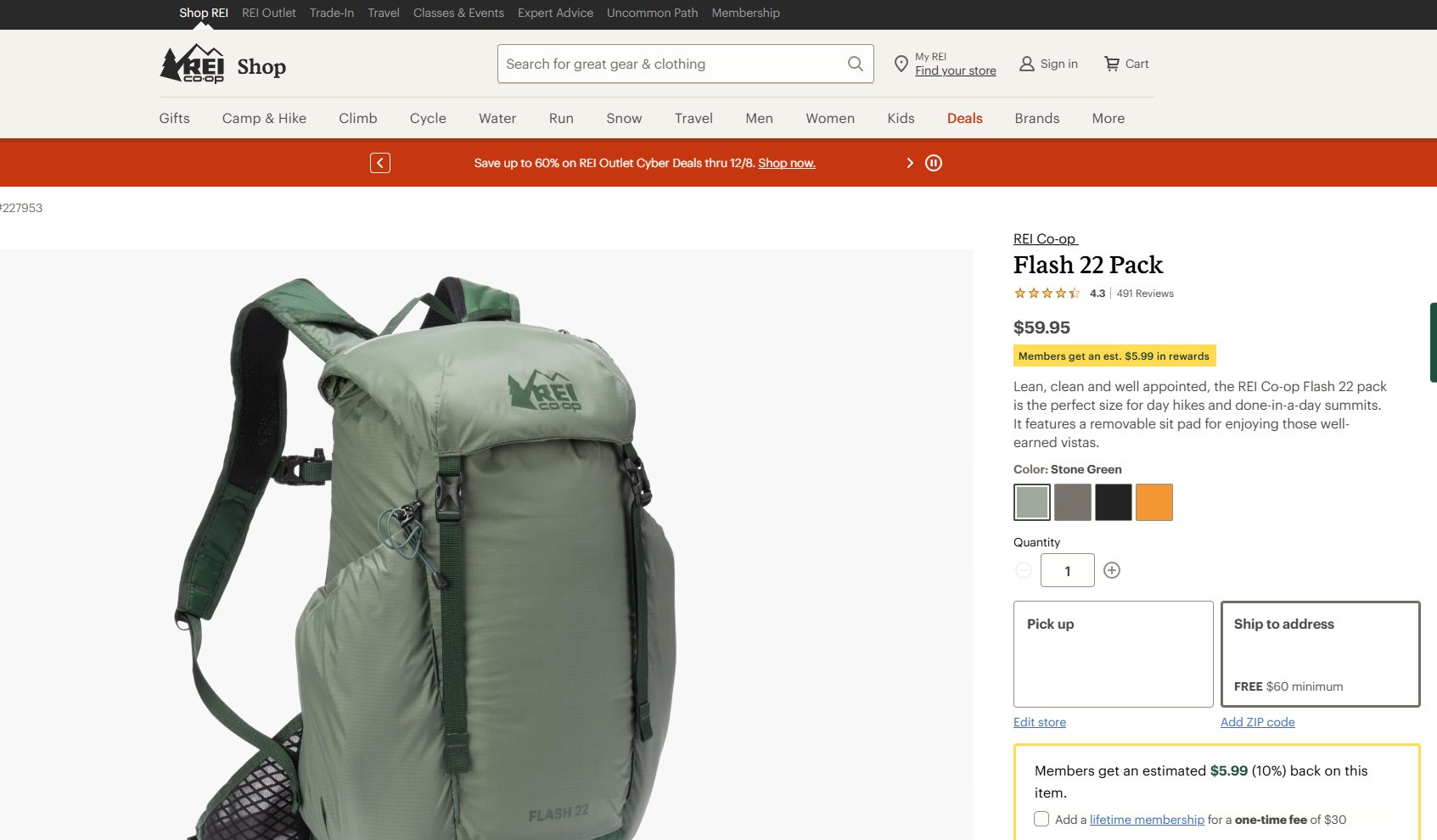
These geo-aware cues make the experience more relevant and help shoppers trust what’s actually available near them.
9. Interactive personalization tools
Interactive personalization tools, such as quizzes, finders, and guided surveys, now leverage AI behind the scenes to translate shopper inputs into personalized, real-time recommendations.
Stitch Fix elevates interactive personalization with its guided Style Quiz, which feels more like a conversation than a form. Shoppers answer questions about their style goals, preferred fits, lifestyle needs, and even body proportions. With each response, the system refines its understanding of their tastes, enabling Stitch Fix to deliver highly specific outfit recommendations based on evolving customer behavior.
This quick, guided flow reduces uncertainty and delivers highly tailored recommendations before the shopper even reaches a product page, strengthening confidence early in the customer journey.
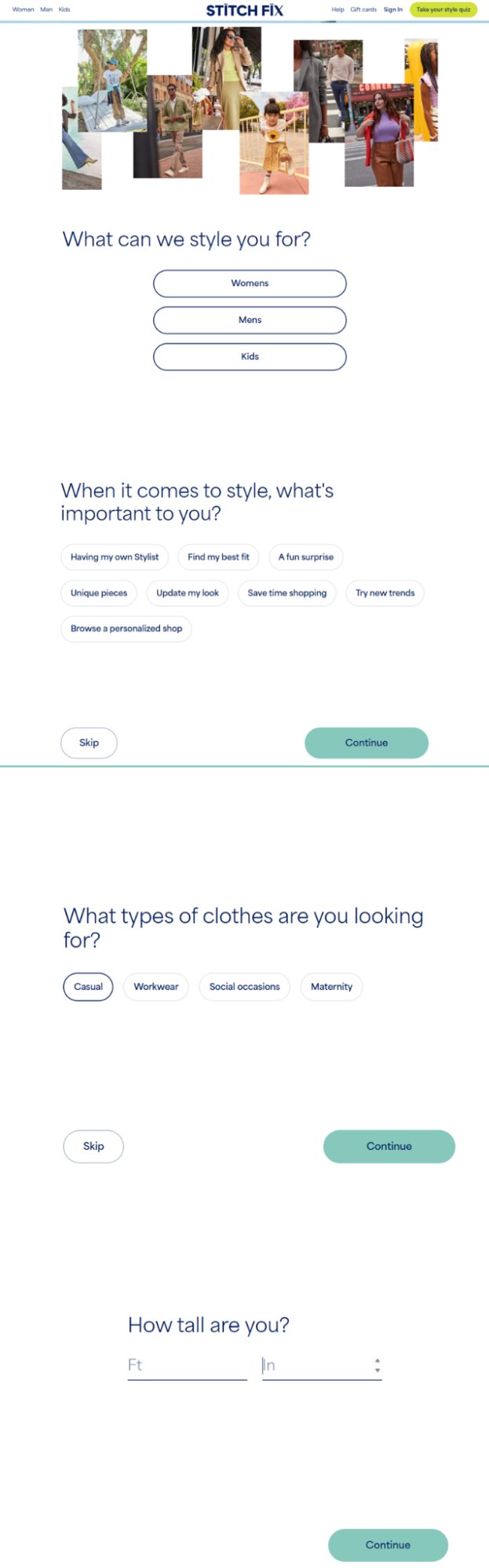
This reduces uncertainty, boosts buyer confidence, and improves conversion rates for higher-consideration products.
10. Virtual try-on experience
Virtual try-on tools let shoppers preview how a product will look or fit, reducing uncertainty and speeding up decisions.
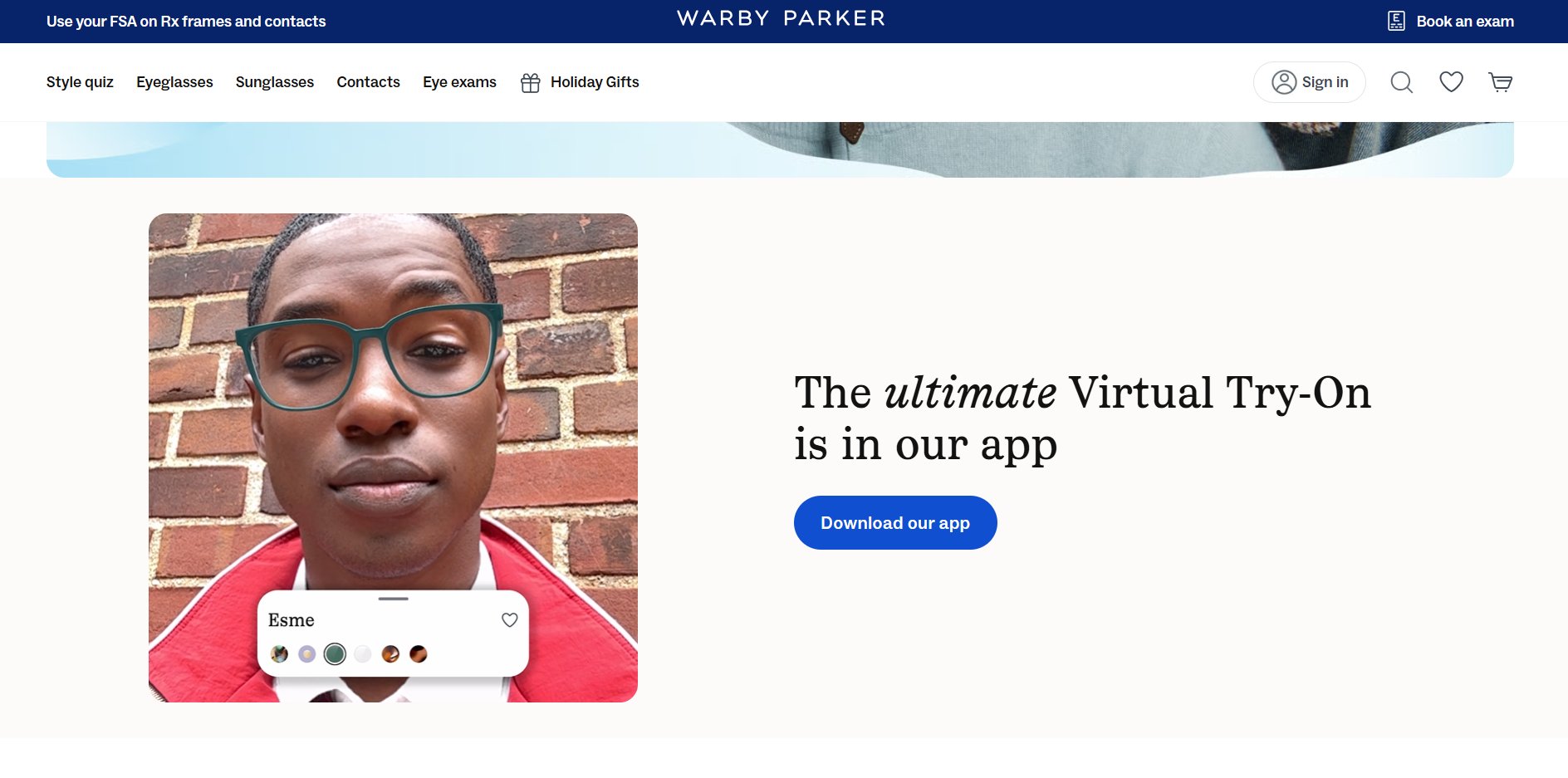
Warby Parker’s virtual try-on does this brilliantly, using a device (phone/laptop) camera to map the shopper’s face and overlay frames in real time. Shoppers can quickly compare colors and styles on their own features, making a high-consideration purchase feel far more confident and seamless.
11. Recommendations for out-of-stock items
When an item is unavailable, shoppers are most likely to abandon the session. A practical way to retain intent is to replace the dead-end “Sold Out” state with personalized alternatives.
A strong implementation automatically serves:
- Close substitutes in similar styles, specs (as can be seen in the ASOS example below), price range, or ingredients
- Upgraded or newer models for shoppers open to higher-value options
- In-stock variants such as different colors, sizes, or storage capacities
- Top-rated alternatives purchased by similar customers
This tactic ensures the shopper stays in discovery mode rather than bouncing off the page. Businesses that implement it may recover otherwise lost conversions and create a smoother, more resilient shopping experience.
12. Personalized “Shop the Look” curation
“Shop the Look” helps shoppers move from browsing individual items to visualizing full outfits, making it easy to buy an entire look instead of piecing it together on their own.
On many of the ASOS apparel pages, shoppers can explore a “Buy the Look” module that displays the model’s full outfit, complete with tops, jeans, accessories, and footwear. Each product is shown in one cohesive view, letting shoppers instantly recreate the entire styled ensemble with just a few clicks.
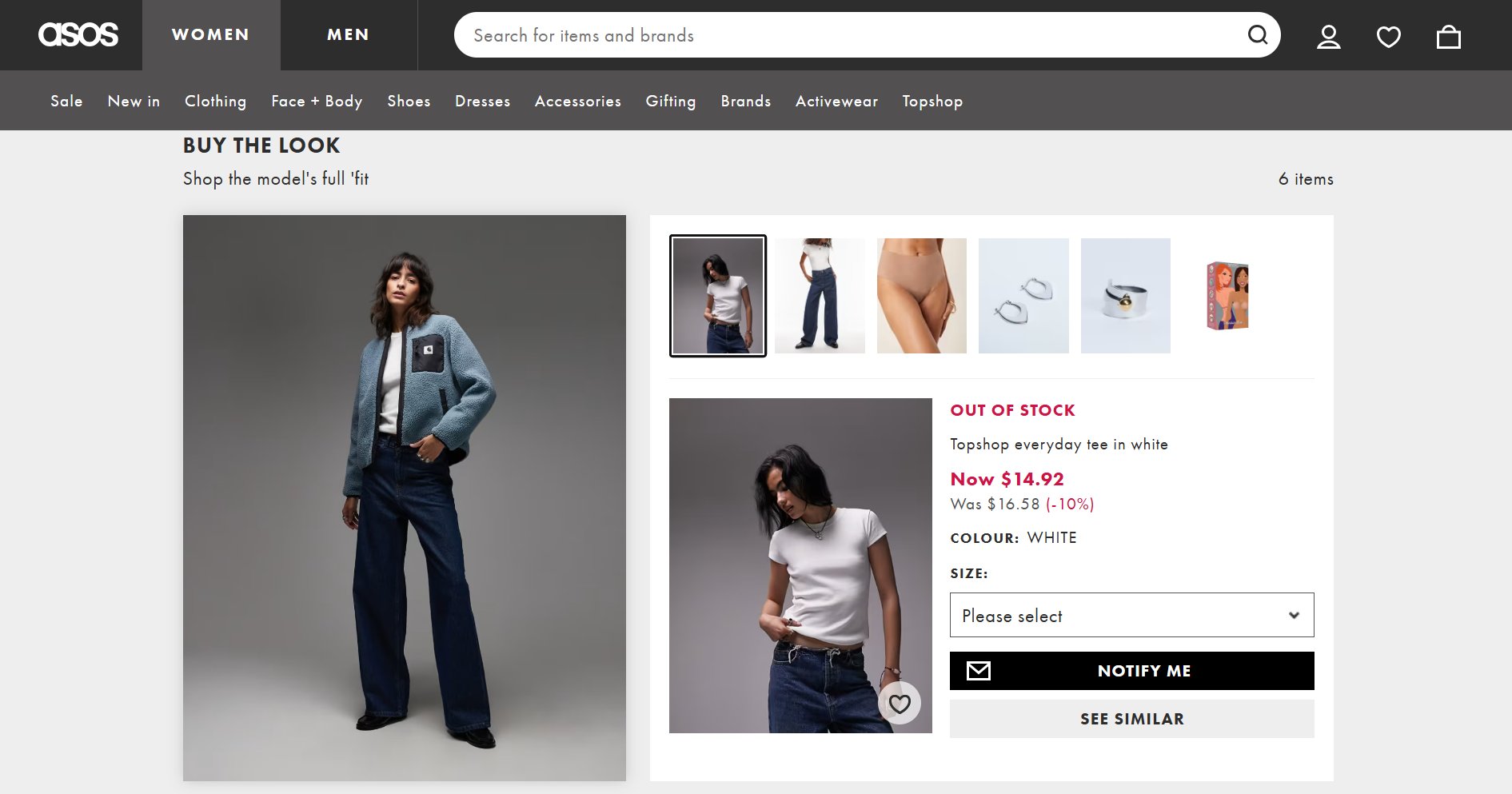
This approach not only inspires shoppers with ready-made looks but also increases basket size by encouraging multi-item purchases.
13. Contextual live chat & expert assistance
Contextual live chat tools personalize support by connecting shoppers with help that adapts to what they’re browsing, what they need, and where they are in the buying journey.
Backcountry does this exceptionally well through its Gearhead Experts: real outdoor enthusiasts who offer tailored guidance on gear, sizing, terrain, and use cases. Whether someone is shopping for climbing equipment or winter layers, the Gearheads provide personalized, experience-driven recommendations over chat or phone.
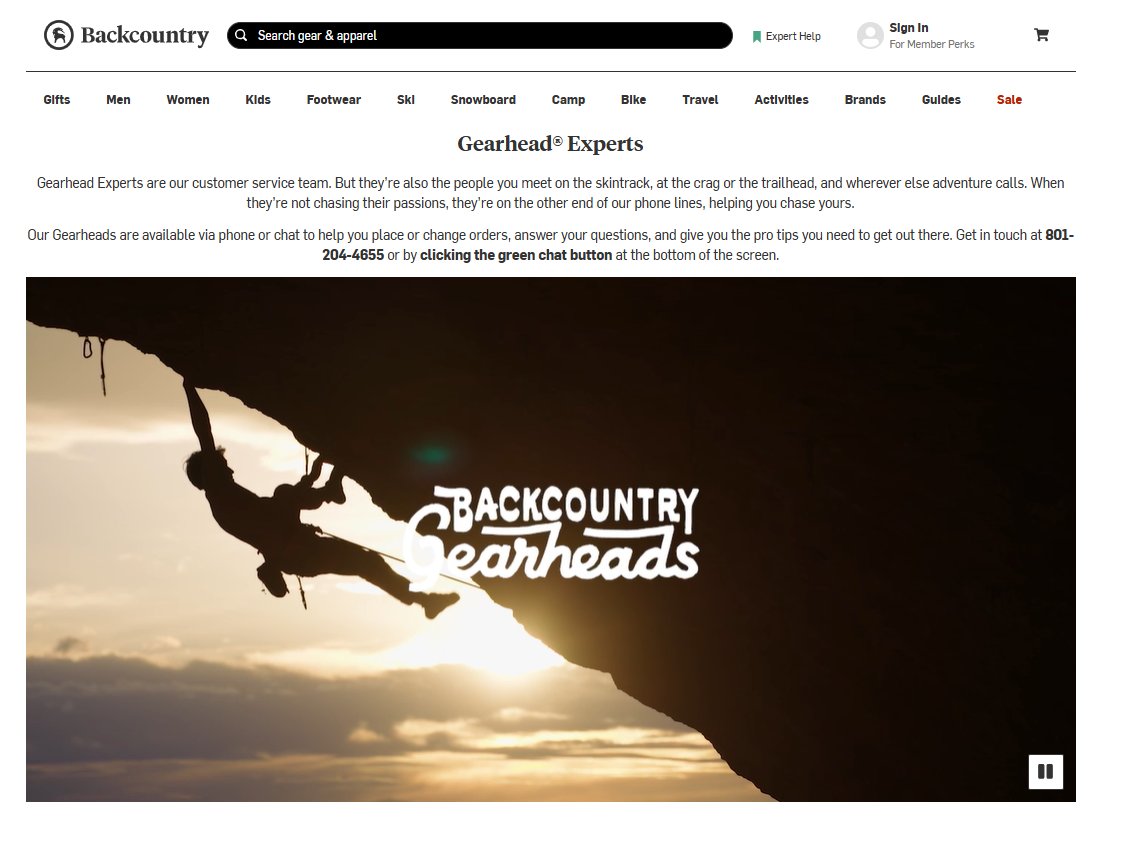
This human-powered expertise builds trust, reduces decision friction, and strengthens customer engagement by helping shoppers confidently choose the right gear for their specific adventure.
14. “Pick up where you left off” reminders
“Pick up where you left off” modules help returning shoppers instantly continue their browsing journey without searching again.
On Amazon, this shows up the moment you land on the homepage. The platform surfaces a clean carousel of items you recently viewed so you can jump right back into comparing options or finishing your purchase. No retracing steps, no starting over.
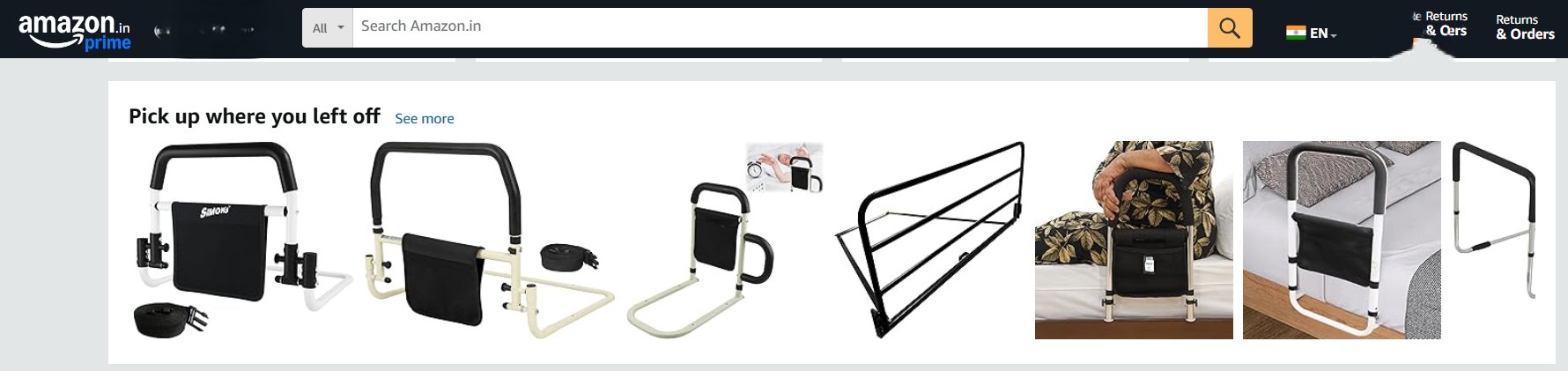
This small touch reduces effort for the shopper and recaptures purchase intent that might have otherwise faded, reinforcing habits that keep loyal customers coming back.
15. Check out personalization with address lookup
Checkout personalization reduces friction by autofilling or suggesting relevant options, so shoppers spend less time entering details.
As soon as a shopper on Personalised Gifts Shop UK enters their postal code, the checkout surfaces a ready-made list of matching house numbers and street addresses. With one tap, the entire correct address is filled in, no manual typing, no guesswork.
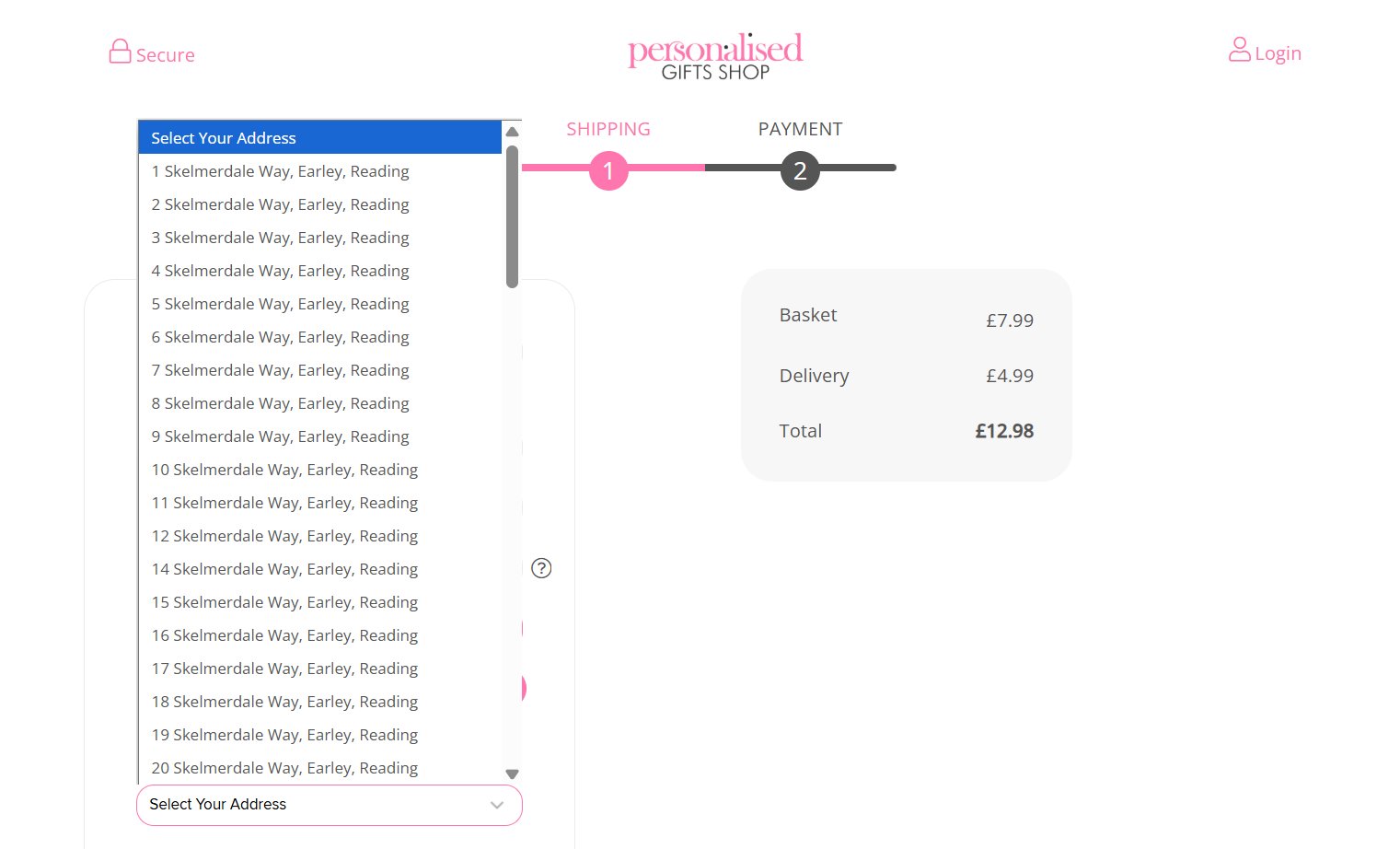
This small enhancement speeds up checkout, cuts input errors, and keeps shoppers moving confidently toward completion, directly contributing to higher customer satisfaction.
If you’re looking to upgrade your checkout without heavy dev work, this resource breaks down practical techniques you can launch quickly, now even easier with AI assistance.
Conclusion: Making personalization work, powered by VWO
While personalization can make shopping feel intuitive and relevant, not every personalized experience improves conversions. A tactic that seems helpful might add friction, distract users, or even reduce revenue. That’s why the most successful brands shouldn’t just launch personalization but also validate it.
The real question isn’t “Can we personalize?” but “Does this personalization actually help the customer and the business?”
To answer that confidently, VWO enables a connected approach:
See where personalization should happen
VWO Insights reveals how visitors interact with your site, helping teams adapt their strategies in line with emerging eCommerce personalization trends using real behavioral signals.
Heatmaps, session recordings, surveys, and funnels highlight friction points and intent signals, helping teams form data-backed hypotheses for personalization that remove obstacles and improve journey flow.
Test personalization where it impacts users
With VWO Testing, teams run controlled browser-side experiments on personalized elements such as banners, CTAs, recommendations, homepage layouts, and targeted offers. You measure what truly improves discovery and conversions before scaling.
Verify deeper logic with advanced testing
For personalization that depends on backend logic, recommendation engines, search algorithms, and pricing tests, VWO Feature Experimentation allows safe rollouts with instant fallback protection and validated decision-making at scale.
Deliver proven experiences to the right audiences
VWO Data360 and VWO Personalize work hand in hand to deliver personalized experiences. Data360 builds precise segments using behavioral, contextual, and historical signals so teams can target experiences based on relevant customer attributes rather than assumptions.
VWO Personalize helps you launch personalization campaigns targeting those segments with messages, layouts, and product suggestions tailored to each visitor’s real-time context, strengthening the impact of personalized marketing.
Quote:
VWO is widely regarded as a powerful platform for personalization testing and experimentation. It’s built with a forward-looking approach, enabling optimization teams to craft standout experiences for their visitors. By clearly defining your user personas and applying VWO’s capabilities, you can meaningfully tailor your website and landing pages to drive stronger outcomes.
– Miles Hoogwerf, Head of CRO, hypedigital, Webinar
Request a demo to discover how VWO can elevate your eCommerce personalization strategy.
FAQs
Personalization and Customization are distinct strategies. Personalization is system-driven, using data and algorithms to automatically tailor the experience for the user. Example: An online store dynamically changes the homepage banner to feature running shoes because the user previously looked at fitness gear.
Customization is user-driven, giving the customer control to actively modify a product or arrange the interface to suit their preferences. Example: A customer designs a new pair of sneakers on a brand’s website, choosing the colors, materials, and adding their initials.
Personalization strengthens eCommerce performance by presenting shoppers with products, offers, and content that closely match their needs and intent. It streamlines decision-making, lifts average order value, lowers abandonment, and keeps customers coming back by delivering experiences that feel timely and highly relevant.
Personalization is essential because it makes the shopping experience more relevant and intuitive, strengthening customer loyalty in the process. When customers see products, offers, and content aligned with their needs, they’re more likely to explore, engage, and complete purchases, ultimately driving stronger conversions and long-term loyalty.
A common example is personalized product recommendations, such as when Amazon suggests items based on your browsing history or previously viewed products. Other examples include dynamic homepage banners, geo-targeted delivery messages, or tailored cart discounts.
Categories: