 DE
DE
 BR
BR




 ChatGPT
 Perplexity
 Gemini
 Claude
 Grok
Grok
5 Must-Know eCommerce Personalization Trends for 2026
If you think personalization is just about recommending “similar products,” 2026 will surprise you. Today’s shoppers want experiences that understand them: instantly, intuitively, and across every device they use.
For businesses, staying competitive means understanding what’s coming next. So what exactly is changing? And which trends will redefine the way eCommerce brands acquire, engage, and retain customers in the year ahead?
Here are the five eCommerce personalization trends shaping how brands will connect with customers in the year ahead.
What is eCommerce personalization?
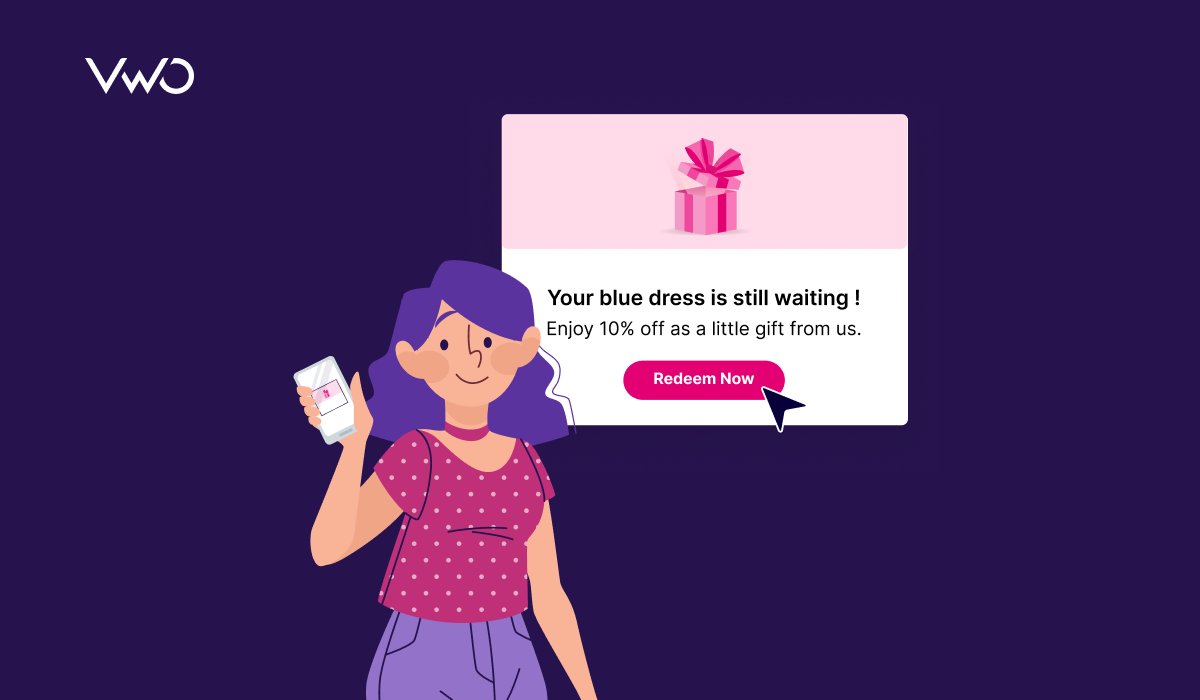
eCommerce personalization means shaping each shopper’s journey based on who they are and what they’re trying to do. It uses signals like browsing patterns, purchase history, customer preferences, and real-time behavior to show products, messages, and experiences that are relevant to them.
Rather than forcing every visitor through the same flow, eCommerce personalization guides them toward the right choices, creating personalized shopping experiences that make discovery easier and conversions more natural.
Why eCommerce personalization matters in 2026
Personalization isn’t new, but the stakes are higher in 2026 than ever before. The way shoppers behave and the way businesses operate have changed dramatically. Today’s landscape forces retailers to rethink how they attract, convert, and retain customers. That’s why personalization matters more now than it ever has.
- Shoppers expect relevance instantly: With endless choices and shrinking patience, users engage only when experiences feel tailored and help them find the right products faster.
- Generic experiences no longer work: One-size-fits-all storefronts get ignored. Personalization is what makes a brand feel intuitive, helpful, and worth returning to.
- Profitability is under pressure: With rising customer acquisition costs and tighter margins, eCommerce businesses rely on personalization to help every visit work harder by lifting conversions, AOV, and repeat purchases.
- Loyalty requires ongoing relevance: Shoppers switch brands easily. Personalized journeys build stronger relationships by meeting evolving needs at every stage.
- Customer journeys are fragmented: Users move across social, mobile, web, and offline touchpoints. Personalization creates consistency and continuity in customer interactions across channels.
- Most users start with unclear intent: Personalization interprets signals, reduces friction, and guides shoppers toward confident, faster decisions.
5 Key eCommerce personalization trends for 2026: Quick overview
- AI-driven hyper-personalization and prediction
- Privacy-first personalization (Zero- and first-party data)
- Omnichannel and unified experiences
- Dynamic and personalized pricing
- Immersive and interactive personalization
5 eCommerce personalization trends
Trend 1: AI-driven hyper-personalization and prediction
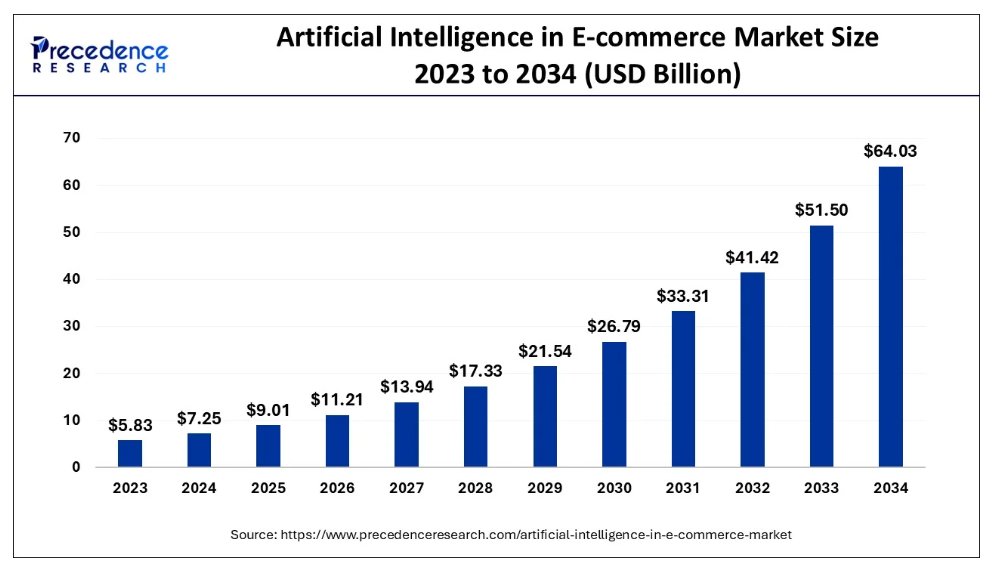
With the AI-enabled eCommerce market estimated at $9.01 billion in 2025 and projected to reach $41.42 billion by 2032, retailers are leaning heavily on machine learning to deliver sharper, more relevant experiences. The payoff is significant: AI-led personalization can boost retail profits by up to 15% while reducing marketing costs by nearly 20%, making it one of the most efficient levers for growth, conversion, and customer retention today.
- Predictive shopping agents: AI analyzes purchase cycles, browsing habits, and engagement signals to anticipate what a shopper may need next, surfacing timely reminders, auto-reorder prompts, or high-probability suggestions before they even search.
- Real-time, contextual recommendations: Machine learning adjusts recommendations in real-time by analyzing micro-behaviors (scrolls, clicks, comparisons) and contextual cues such as weather, location, and device, making the experience adapt as the user shops.
- Automated content generation: Generative AI produces tailored product descriptions, personalized messaging, visuals, and page variations that align with each shopper’s intent, whether they prioritize value, performance, style, or sustainability.
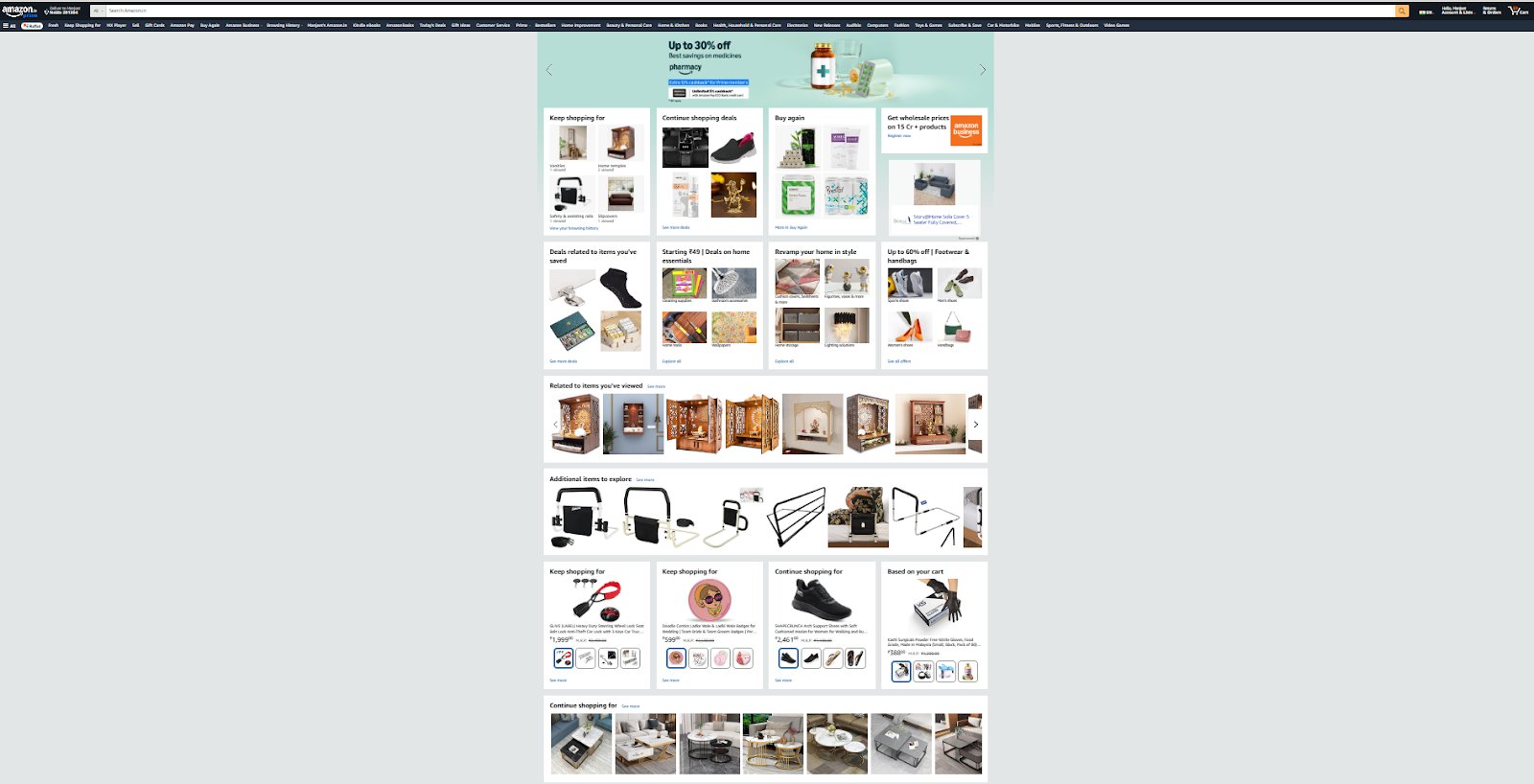
Platforms like Amazon and Netflix lead the way in hyper-personalization, dynamically shaping each user’s experience, with product feeds, content suggestions, and even homepage layouts continuously adjusting based on browsing or viewing behavior.
Trend 2: Privacy-first personalization (Zero- and First-Party Data)
As shoppers become more selective about who they share their data with, brands are being pushed toward personalization that is transparent, consent-led, and rooted in trust.
Notably, 77% of online shoppers say they trust businesses more when consumer data usage is clearly explained. At the same time, major browsers are restricting third-party cookies, and global regulations are becoming stricter.
Together, these shifts are pushing retailers toward privacy-safe personalization strategies that deliver accurate, compliant experiences without invasive tracking.
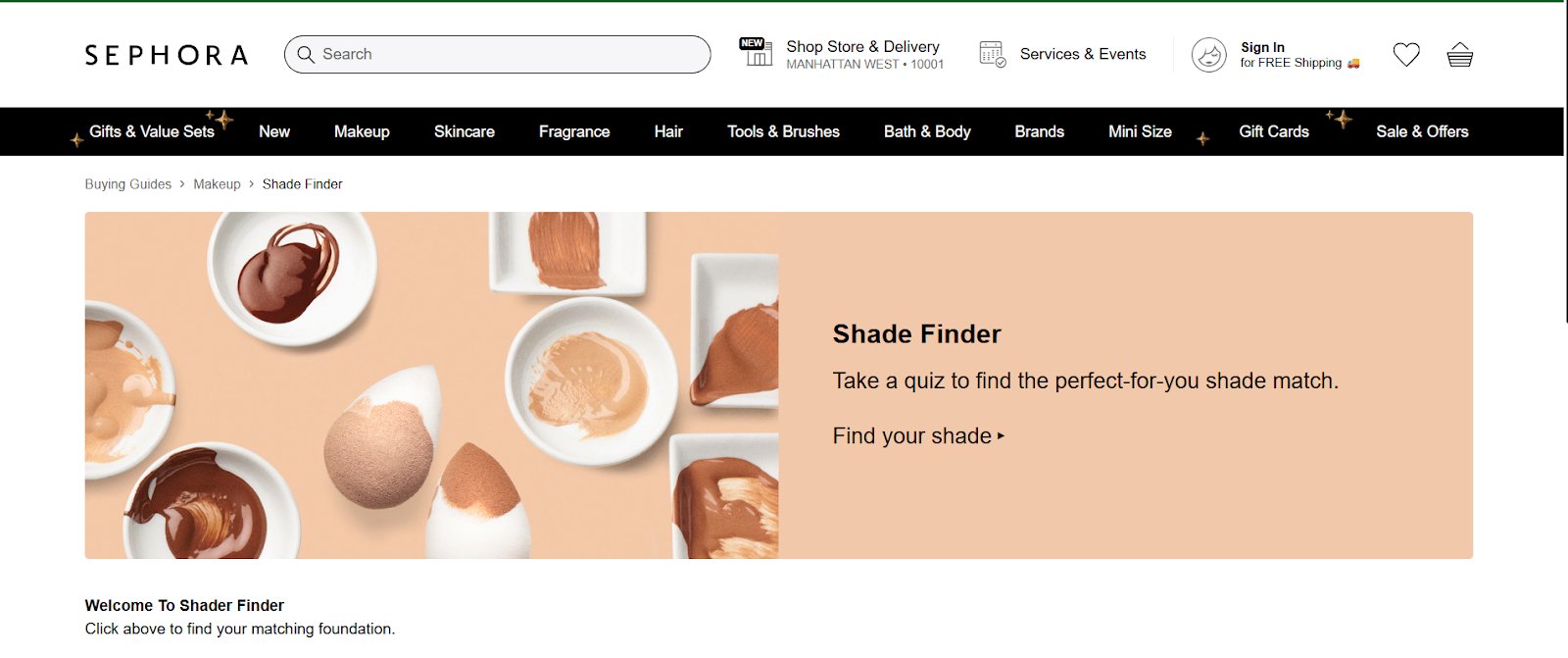
- Zero-party data reliance: Brands gather information that customers willingly share through quizzes, fit finders, preference centers, or guided product selectors, to personalize experiences with data that is both explicit and permission-based.
Example: Sephora’s beauty quizzes use customer-input preferences to generate highly relevant product matches.
- First-party data unification: Retailers consolidate their own behavioral and transactional data across web, app, email, and in-store systems to build a single customer view. This enables consistent personalization without depending on third-party cookies.
- Anonymous visitor personalization: Without requiring visitors to create accounts or log in, brands personalize using contextual signals: location, weather, time of day, or page-level behavior, to keep experiences relevant while keeping users anonymous.
Looking for the right personalization tech stack? Our breakdown of the best eCommerce personalization software will help you evaluate your options. Read here.
Trend 3: Omnichannel and unified experiences
With eCommerce personalization statistics showing that 73% of consumers use multiple channels when they shop, customer expectations now demand that every interaction pick up where the last one left off. Repeating information frustrates customers, and omnichannel experiences solve this by carrying context across touchpoints.
By integrating real-time customer data from CRMs, CDPs, POS systems, and mobile apps, businesses can create a journey where recommendations, preferences, and progress move with the customer, wherever they shop.
An example scenario:
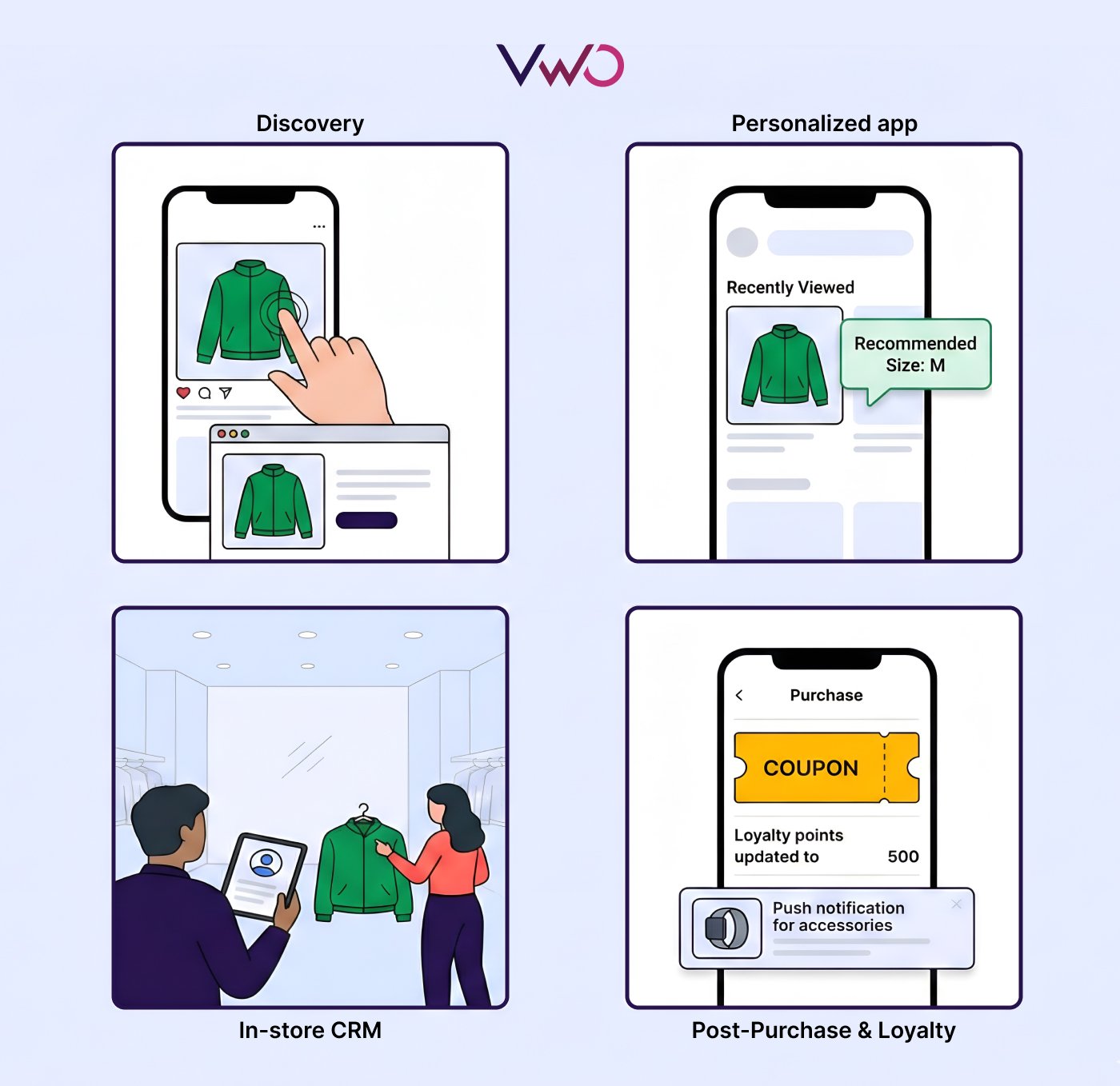
A customer discovers a jacket while scrolling through Instagram and clicks through to the retailer’s website. Later, they open the mobile app and find the same jacket already saved under “Recently Viewed,” along with size suggestions based on past purchases.
The next day, they stop by the store. The associate checks the customer’s profile in the CRM and immediately sees their online browsing activity, preferred sizes, and the exact color they interacted with most.
The shopper tries the jacket in-store but decides to buy it on the app to use a digital coupon. The purchase instantly updates customer loyalty points, adjusts inventory across systems, and triggers a personalized push notification recommending matching accessories.
Every channel works together, nothing feels disconnected, and the journey stays intact from discovery to purchase, resulting in a seamless customer experience across all touchpoints.
Trend 4: Dynamic and personalized pricing
As shoppers become more price-conscious and comparison-driven, dynamic pricing has emerged as one of the most effective levers for improving both revenue and profitability. Brands using AI-driven pricing see 2–5% sales growth, 5–10% margin improvements, and even a 13% lift in average order value during peak periods.
These gains matter because they help retailers stay competitive without relying on blanket discounts, offering precise and profitable incentives that build trust and strengthen brand loyalty.
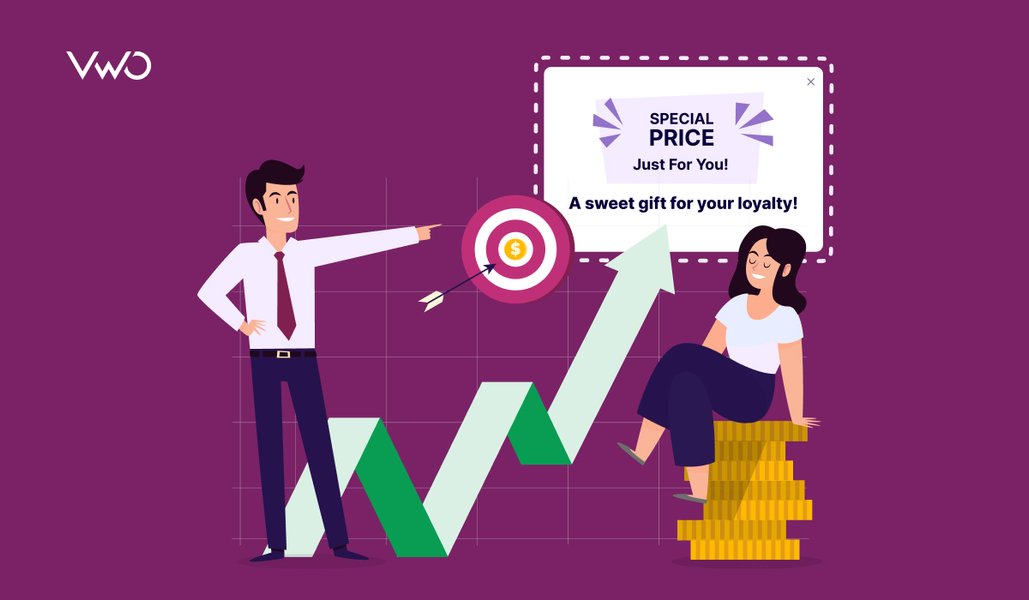
- Individualized offers: AI evaluates loyalty tier, purchase history, regional demand, and discount sensitivity to tailor pricing that feels relevant to the shopper. This includes loyalty-based discounts, personalized bundles, free shipping thresholds, or localized price adjustments, designed to convert high-intent users without over-discounting while supporting higher customer satisfaction.
Example: A skincare retailer may recommend a personalized “hydration bundle” at a special price for customers who regularly purchase moisturizers during colder months.
- Behavior-triggered incentives: Dynamic pricing engines monitor signals like repeated product visits, comparison activity, or long dwell time, and other patterns in customer behavior to deploy timely nudges. Instead of generic discounts, shoppers receive targeted incentives such as flash offers, complementary bundle suggestions, or category-specific price drops that address their hesitation.
Example: An electronics brand may offer a small accessory discount to users who repeatedly compare two laptop models but haven’t added either to their cart.
- Continuous testing and optimization: Dynamic pricing becomes more accurate over time because brands test price points, promotional formats, and elasticity models to understand what drives conversions without harming margins. Controlled experiments help determine the ideal price range, optimal discount structure, and when, not just what, to personalize.
Example: A fashion marketplace may test three introductory price ranges for a new jacket to learn which one maximizes sales velocity while keeping profitability healthy.
Trend 5: Immersive and interactive personalization
As online shopping becomes more visual and experiential, customers increasingly want to interact with products, not just read about them. Immersive technologies help close the gap between digital and in-store experiences. They build confidence, reduce uncertainty, and create a more engaging, human buying journey.
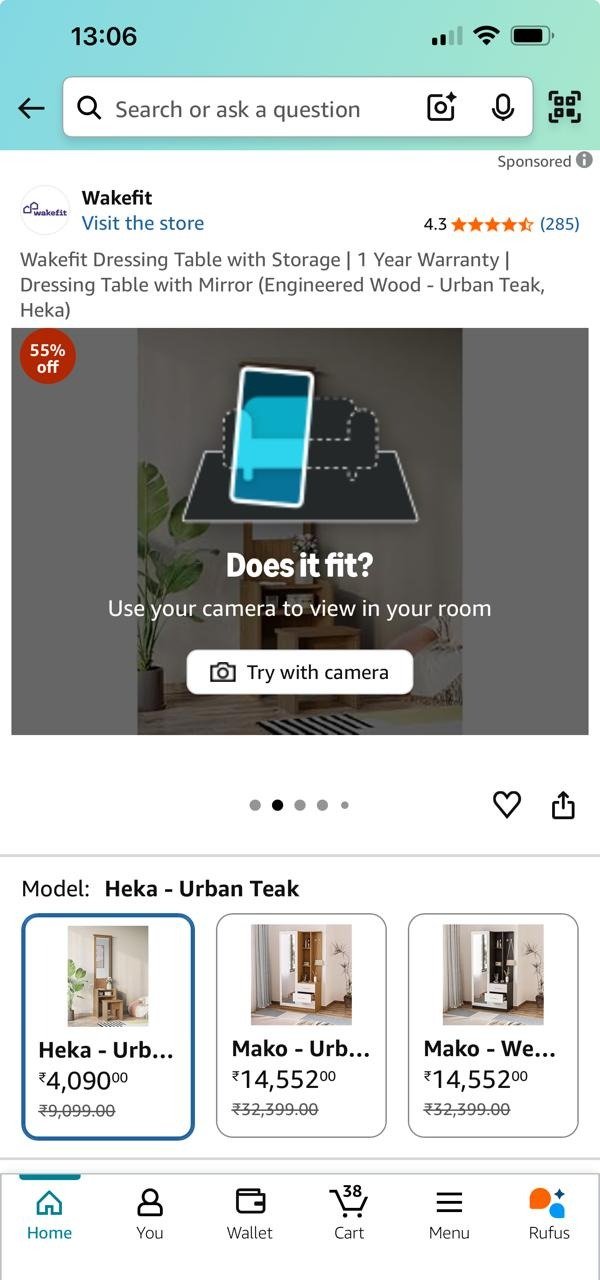
- AR and Virtual try-ons: Businesses can elevate the shopping experience by allowing customers to visualize scale, fit, and compatibility in their space, improving decision quality and reducing returns, especially in categories like furniture, fashion, and beauty. With the AR/VR retail market projected to reach $1.6 billion in 2025, this trend is a powerful driver of personalized, confidence-building shopping journeys.
Example: Amazon’s “View in Your Room” feature on the mobile app lets shoppers place furniture or décor items in their actual space, helping them understand scale and fit before purchasing.
- Live commerce personalization: Livestream shopping, often hosted on social platforms like Instagram Live, Facebook Live, TikTok Live, or Amazon Live, blends entertainment with real-time personalization. Hosts adjust what they showcase based on viewer clicks, questions, reactions, and engagement patterns, making the session feel curated for each audience segment.
- Voice search commerce: Voice assistants like Alexa or Google Assistant personalize shopping by understanding spoken requests and using past purchases, saved preferences, and context (like time of day) to recommend the right products. This makes reordering, discovering new items, and completing purchases feel fast, hands-free, and conversational. With voice-enabled shopping projected to influence nearly 30% of all e-commerce sales by 2030, this channel is becoming a major driver of personalized retail experiences.
- Image personalization: Advances in image recognition and generative AI enable brands to tailor visuals based on shopper preferences, showing products in preferred colors, styles, environments, or even body types. Instead of static photos, shoppers see imagery that aligns with their tastes and context.
- Facial recognition personalization (Consent-driven): With user consent, facial recognition tools analyze attributes like face shape, skin tone, and proportions to deliver highly accurate product recommendations. This enhances fit and shade matching, especially in beauty, eyewear, and fashion, and reduces guesswork for shoppers.
Example: A makeup brand may use facial scanning to analyze undertones and skin texture, then recommend the most suitable foundation shades or product combinations, and recall those preferences during future visits.
How platforms like VWO are shaping eCommerce personalization
As personalization evolves, the real challenge isn’t launching ideas; it’s knowing which ones actually improve outcomes. Even with advanced personalization tools available, the brands that consistently maintain a competitive advantage are those that validate every decision with real customer behavior.
VWO enables exactly this approach. By connecting insights, experimentation, and personalization in one system, it ensures every experience is tested, validated, and backed by real behavior before it’s scaled.
VWO Insights shows how online customers interact with your site, highlighting friction, hesitation, and moments of intent through heatmaps, session recordings, surveys, and funnels. This helps teams pinpoint where personalization can truly remove obstacles and elevate the journey.
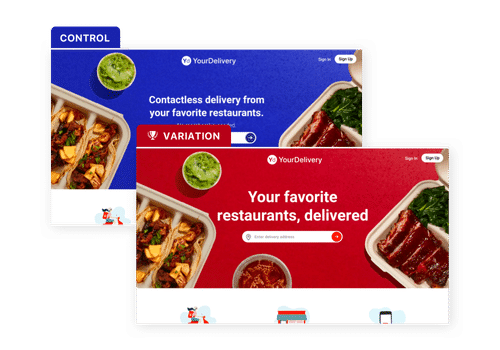
With VWO Testing, teams can experiment with personalized layouts, offers, messaging, and journeys to see what genuinely drives higher engagement or conversions.

Use VWO Copilot to bring personalization ideas to life faster. Describe the experience you want: cleaner layout, bolder CTA, more guided flow, and Copilot instantly generates the variation, styles it, and sets up the test. It’s the quickest way to validate ideas before scaling them.
As April Hung notes,
When pages are cluttered with too much information, users get overwhelmed and disengage. The most impactful tests I’ve run are the ones where we simplified the experience; cleaner layouts and lower cognitive load consistently lead to higher engagement and conversions.
This mindset reinforces why experimentation matters: personalization isn’t about adding more, but about determining which changes genuinely improve user experience and performance. Only variations that perform better get rolled out, ensuring personalization always moves the needle.
For experiences powered by algorithms, such as recommendations, search, or dynamic pricing, VWO Feature Experimentation enables controlled rollouts with immediate fallback options. Brands can ship complex personalization confidently, knowing every update is backed by real impact data.
VWO Data360 builds richer, behavior-informed customer segments, while VWO Personalize activates these segments with real-time targeting. Teams can launch precise, evidence-backed personalization that adapts to each user’s context and intent.
Request a Demo to explore how VWO brings insights, experimentation, and personalization together.
FAQs
Personalization in eCommerce is achieved by analyzing customer data: browsing behavior, purchase history, preferences, context, and using that information to tailor product recommendations, content, offers, and journeys. Modern platforms use AI, experimentation, and segmentation to deliver the right message or experience to the right user at the right moment.
Hyper-personalization goes beyond basic recommendations. In 2026, it means using AI, predictive modeling, real-time signals, and behavioral data to deliver experiences uniquely tailored to each individual. This includes dynamic content, contextual offers, predictive shopping assistants, and personalized imagery that adapts instantly to a user’s intent and environment.
In 2026, the biggest trends include AI-driven hyper-personalization, omnichannel consistency, privacy-safe personalization using zero- and first-party data, dynamic pricing, immersive AR try-ons, voice commerce, and loyalty programs tailored to individual behavior. The shift is from rule-based personalization to intelligent, predictive systems that anticipate needs proactively.
The future of eCommerce personalization is real-time, predictive, and privacy-first. AI will anticipate customer needs before they search, while zero- and first-party data will power transparent, consent-driven experiences. With immersive tools like AR and voice commerce becoming mainstream, shoppers will receive individualized journeys across every channel, relevant, seamless, and adaptive at each touchpoint.
Categories: