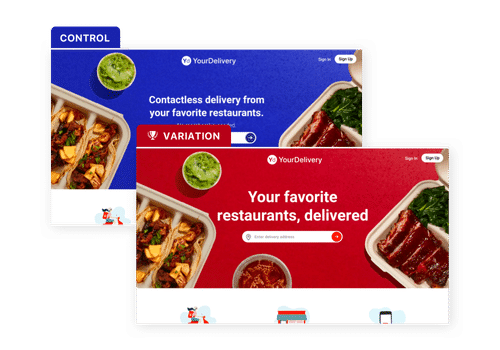
Create and A/B test different versions of your website and it’s elements to continuously discover the best-performing versions that improve your conversions.
Today’s customers expect every interaction to feel relevant, intuitive, and tailored to their needs at the moment. Static journeys and broad segments simply can’t keep up. What marketers need now is a smarter way to interpret behavior, predict intent, and adapt experiences in real time at scale.
This playbook breaks down exactly how to build personalized marketing experiences that feel timely, useful, and genuinely relevant, not just automated.
What is AI personalization?
AI personalization is the practice of using machine learning algorithms, predictive analytics, and real-time behavioral data to deliver tailored customer experiences at scale.
Unlike traditional segmentation, AI-driven personalization learns continuously from how users interact across customer touchpoints.
It analyzes thousands of micro-signals from real user interactions to understand customer behavior, intent, preferences, and the likelihood to act. These signals may include:
pages viewed, scroll depth, and dwell time
affinity toward certain product attributes or content formats
on-site search patterns
responsiveness to urgency, social proof, or pricing
moments of hesitation that signal drop-off risk
cross-device or cross-session behaviors
Using these signals, AI-powered personalization dynamically adjusts recommendations, layouts, content blocks, and offers, often while the user is still browsing, making marketing efforts not just responsive, but adaptive.
How can AI improve customer personalization in marketing
Modern marketing generates more data than teams can manually act on. Customers move quickly, jump across channels, and expect brands to understand their needs without making them spell it out.
AI bridges this gap by interpreting live behavioral signals, what users browse, compare, and hesitate on, and adapting the experience accordingly. Instead of broad segmentation, personalization becomes continuously relevant and context-aware.
Here’s how AI enhances personalization in practical, marketing-driven ways:
Detecting intent earlier
Machine learning models pick up on subtle behavioral cues such as repeated product comparisons, search refinements, and scrolling patterns to infer user intent before it is explicitly expressed.
Predicting the user’s next move
Based on historical and behavioral patterns, AI estimates whether a user is likely to buy, hesitate, abandon, or need more information.
This allows marketers to deliver the right nudge before the user disconnects.
Adapting experiences in real time
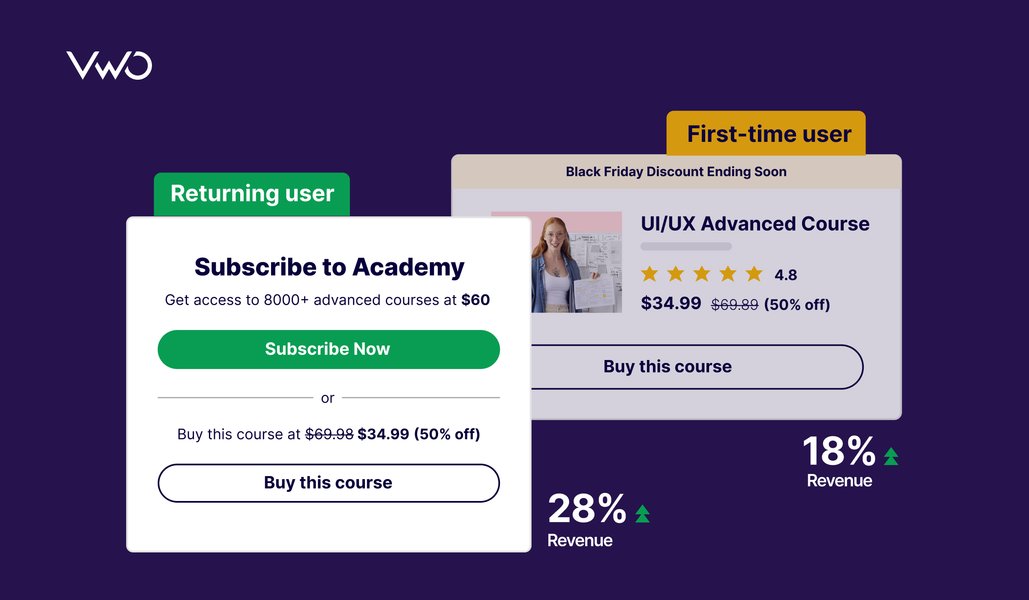
Campaign messages, landing page elements, product listings, and CTAs dynamically adjust based on live user behavior, making marketing responsive rather than rules-based and static.
Aligning personalization across channels
AI connects insights across email, ads, app interactions, on-site journeys, and even support history, ensuring users see consistent, relevant experiences everywhere.
For instance, a user who researches “enterprise security” shouldn’t see beginner-level ads, and AI ensures they don’t.
Scaling relevance without manual rules
Traditional personalization requires if/else logic (“If user did X, show Y”). AI-powered personalization removes that burden. It automatically tailors experiences for thousands or millions of users without marketers constantly updating rules.
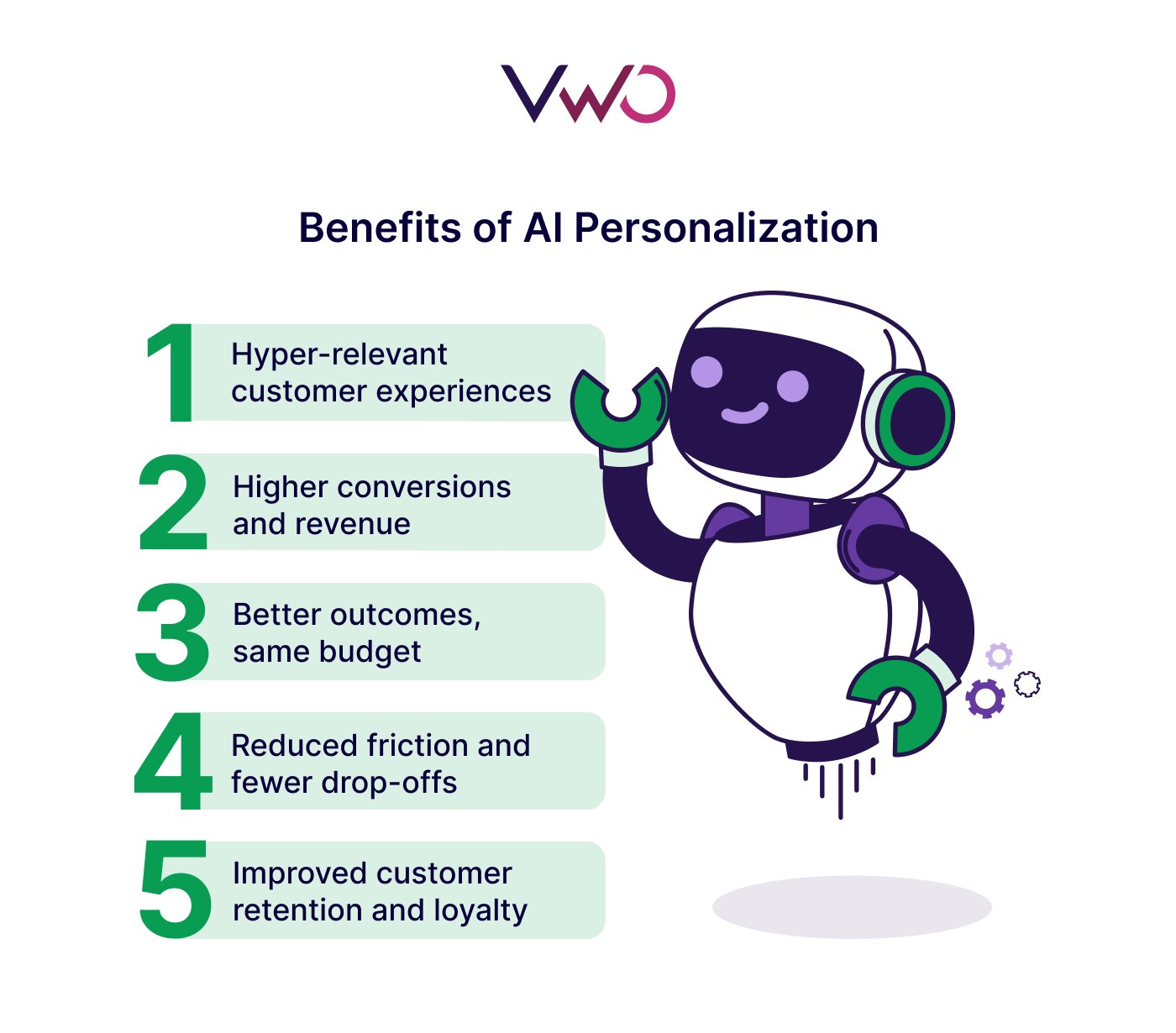
Benefits of AI personalization
AI doesn’t just automate personalization; it makes it more accurate, more scalable, and more profitable. Below are the benefits that matter most to performance-driven marketers:
Hyper-relevant customer experiences
AI understands what users are trying to do right now and adjusts touchpoints accordingly.
Content, product suggestions, or CTAs update based on real-time behavior, improving engagement and time on site.
Higher conversions and revenue
When users see options aligned with their immediate intent, they take action faster. AI-driven product recommendations, intent-aware offers, and personalized landing page experiences reduce friction and guide visitors toward high-value actions, consistently lifting conversions and revenue.
Better outcomes, same budget
AI personalization lifts performance without requiring bigger budgets or larger teams. By automatically tailoring experiences across audiences, it reduces the need for extra creative variations, manual segmentation, or additional tools. The result? Higher conversions and stronger ROI using the same resources you already have.
Reduced friction and fewer drop-offs
AI identifies frustration points early: repeated searches, filter fatigue, long comparisons, or pause points.
It then adjusts the experience: simplifying steps, surfacing answers, or recommending alternatives to prevent abandonment before it happens.
Improved customer retention and loyalty
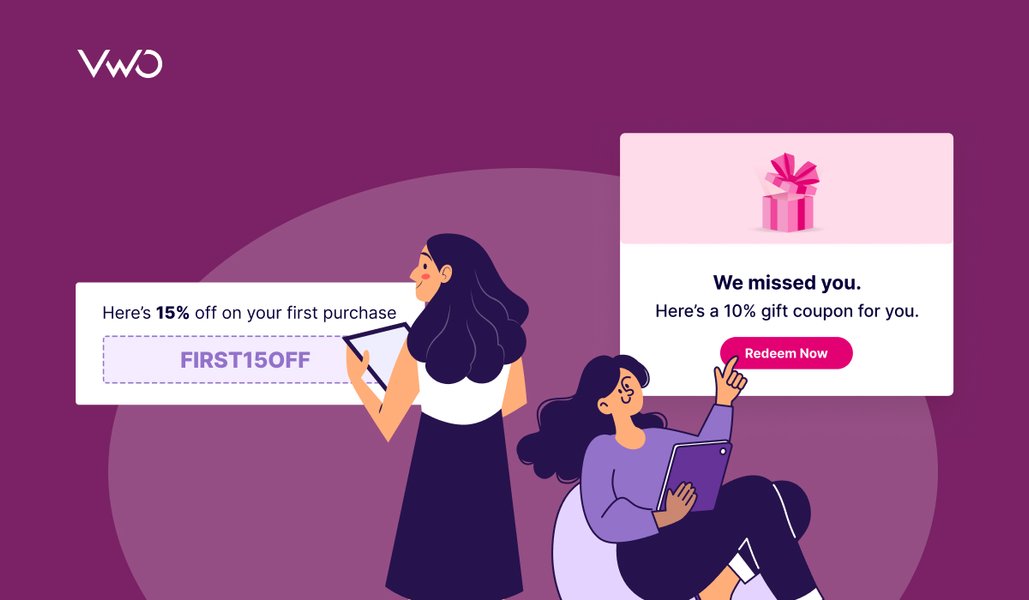
AI identifies churn-risk patterns and nudges users with relevant content, reminders, or offers at the right time.
This shifts retention from reactive firefighting to early, strategic activation, strengthening long-term customer satisfaction.
5 AI personalization techniques that improve customer experience
Artificial intelligence is quietly working behind the scenes to make digital experiences smoother, smarter, and more relevant. From helping you find what you’re looking for faster to guiding you at the perfect moment, AI personalizes the journey in ways traditional marketing simply couldn’t.
These five techniques show how AI is improving the customer experience right now.
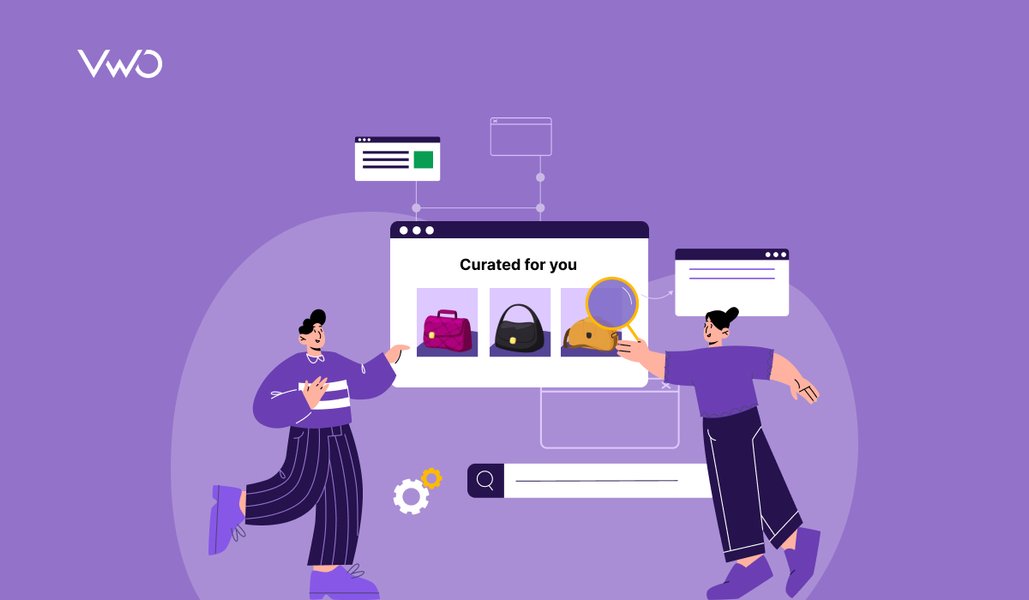
Product recommendations
You know how Netflix suggests a movie, and you think, “Actually, yeah, I do want to watch that”? That moment isn’t luck; it’s AI reading subtle signals about your behavior.
How it works: AI looks at the genres you linger on, the trailers you rewatch, the shows you abandon early, and the ones you binge on. By piecing together these micro-behaviors, it predicts what you’ll enjoy next and serves recommendations that feel surprisingly spot-on.
The benefit: It saves you time hunting. Instead of browsing 1,000 items, your screen shows you the 5 items you’re most likely to love immediately, instantly reducing decision fatigue and making movie-watching feel effortless.
Personalized content
Usually, everyone gets the same generic email from a company. AI changes that by adjusting the messaging to match each person’s style.
How it works: If a traveler prefers quiet retreats, the copy they see might highlight “calm mornings,” “private decks,” and “scenic views.”
Someone who books nightlife-heavy trips might see “late-night hotspots,” “bar access,” and “high-energy neighborhoods.”
The benefit: The site feels personalized to your needs rather than delivering generic sales pitches.
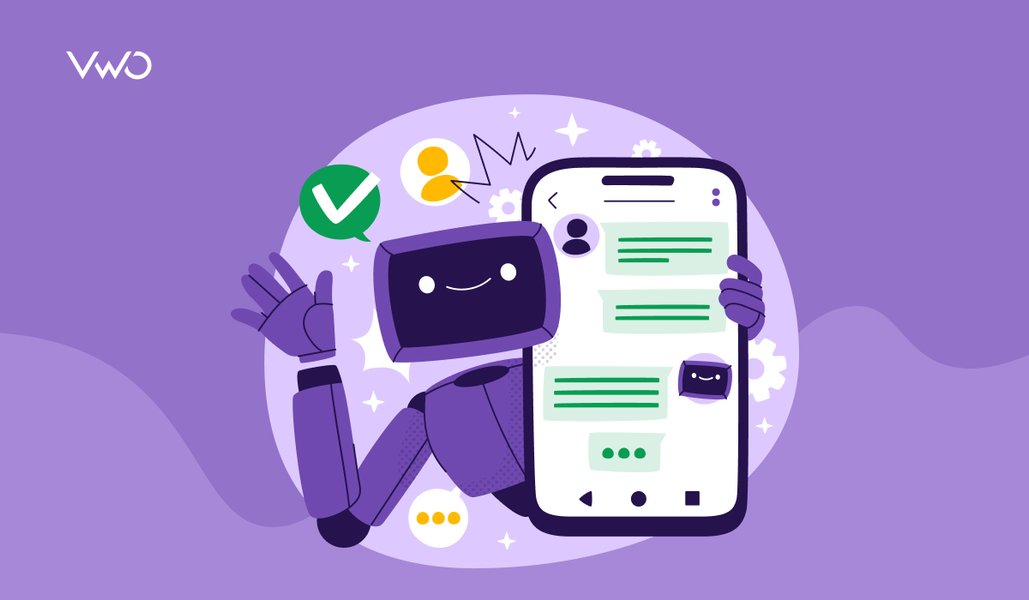
Chat assistants
People dislike robotic, scripted chatbots. AI agents behave differently; they understand customer queries in real time, respond with context, tone, and emotion.
How it works: They detect frustration, urgency, or confusion in how someone types. If a customer sounds upset, the bot doesn’t deliver a canned line; it adjusts tone, apologizes, and fast-tracks them to a human.
The benefit: You feel understood, rather than stuck in an automated loop. The result is quicker resolutions, fewer dead ends, and interactions that feel noticeably more human.
Visual search
Sometimes you can’t describe what you want, but you know it when you see it.
How it works: You upload a photo of something you spotted: a lamp in a café, a jacket a friend wore, or decor in a hotel lobby, and the AI finds the exact match plus a few similar (and often cheaper) alternatives.
The Benefit: No more typing vague searches like “modern gold lamp circle thing.” You just show the AI what you want, and it does all the explaining.
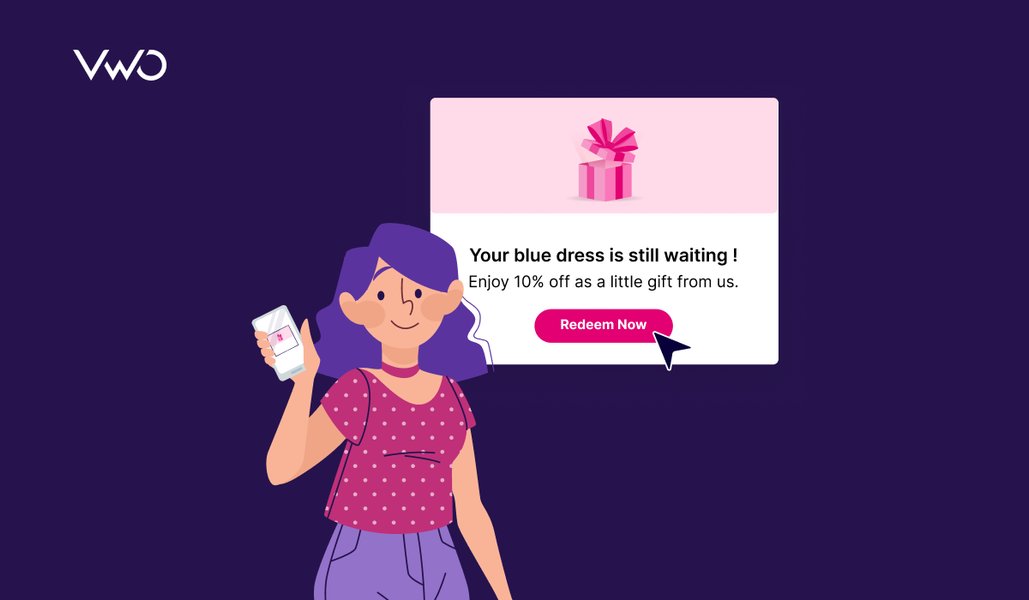
Nudges timed perfectly
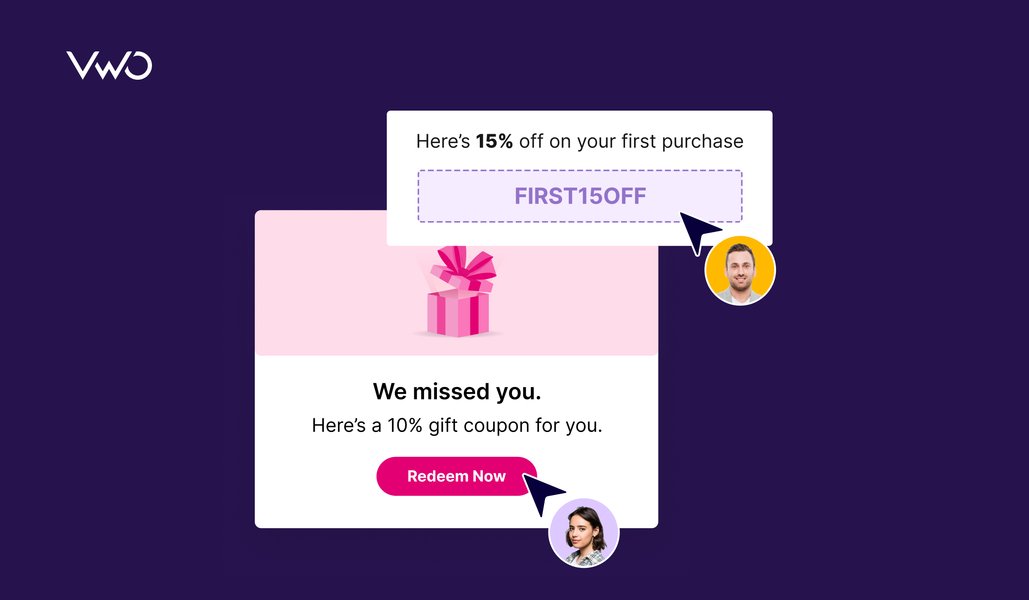
Have you ever received a coupon just when you were debating a purchase? That was the algorithm paying attention.
How it works: The AI notices you put something in your cart but haven’t bought it yet. It waits. If it senses you are about to leave the site, it might pop up a “Free Shipping” offer right at that moment to convince you.
The Benefit: You get a deal exactly when you need it, and the company gets the sale, increases conversions without spamming everyone. Win-win!
Examples of AI personalization
AI personalization looks different in every industry, but the goal remains the same: make each customer feel understood, supported, and guided, without forcing them to work for it.
Here’s how different sectors are already using AI to create smoother, smarter, more intuitive experiences.
Hospitality
Hotels, resorts, and travel platforms use AI to elevate every stage of the customer journey, extending personalized service far beyond the front desk.
What it looks like:
24/7 reservation support using conversational assistants
Tailored stay recommendations based on trip purpose, party size, or prior visits
Local suggestions pushed via email, text, or app notifications
Dynamic pricing that adjusts room rates intelligently based on demand patterns
Outcome: Guests feel taken care of before, during, and after their stay, creating curated experiences that naturally drive improved customer loyalty.
Healthcare
AI is transforming healthcare with personalization that goes beyond convenience and moves into real health outcomes.
What it looks like:
Treatment suggestions based on individual history and diagnostic patterns
Personalized reminders for medications, appointments, or ongoing care.
Engagement tools that adapt educational material to patient needs
Monitoring systems that flag potential issues early
Outcome: Patients receive guidance tailored to their health profile, improving adherence and overall care quality.
Retail
Both online and offline retail use AI to create highly visual, interactive personalization.
What it looks like:
Virtual try-ons using AI-generated avatars
Personalized outfit suggestions
AR apps that show how furniture or décor would look in real spaces
Outcome: Shoppers get clarity and confidence, seeing exactly how products fit their style, space, or needs, boosting customer engagement both online and in-store.
Sephora uses AI for Fragrance Finder, Virtual Artist try-ons, and personalized product recommendations. These features help shoppers “trial” items digitally, improving confidence and reducing returns.
Education platforms personalize learning paths to match a student’s pace, strengths, and learning style.
What it looks like:
Adaptive quizzes that adjust difficulty in real time
Recommendation engines for what concepts to revise next
Personalized lesson formats (video, text, practice problems)
AI feedback that highlights where a learner is stuck
Outcome: Students learn faster with guidance that feels more like a private tutor than a one-size-fits-all course.
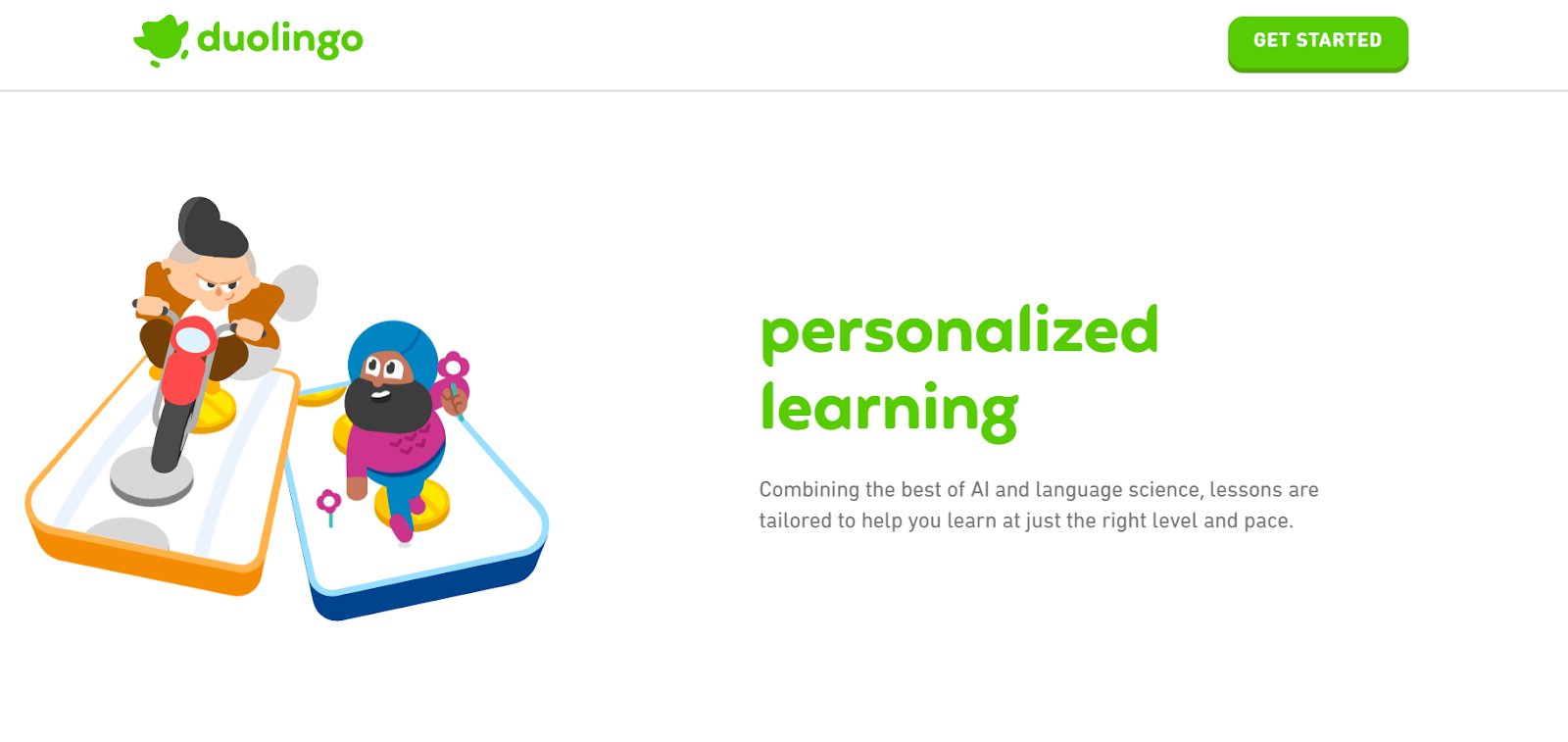
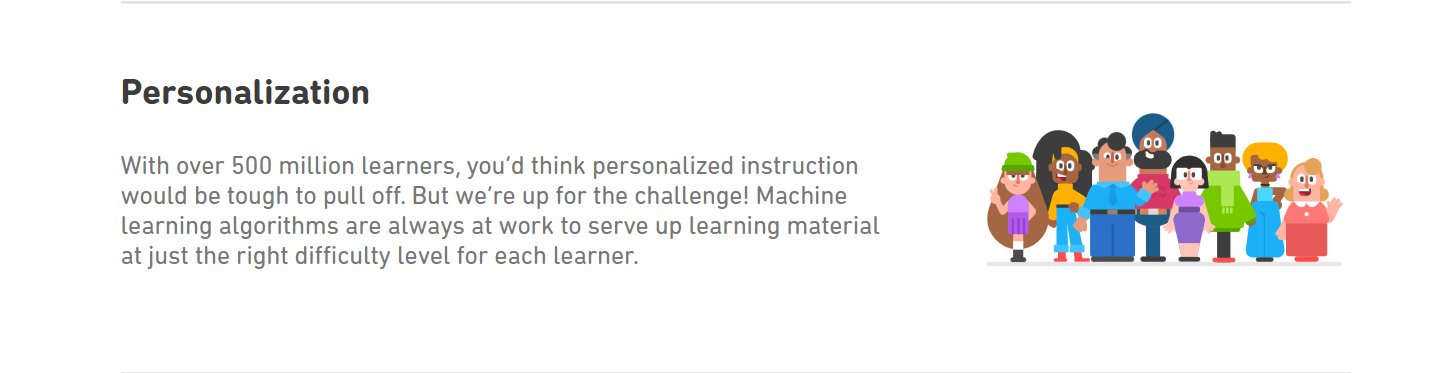
Duolingo’s AI adapts lesson difficulty in real time, identifies weak areas, and adjusts practice sessions accordingly. This personalization leads to better retention and faster language progression.
AI plays a major role in shaping everyday ordering habits. Platforms personalize cuisine suggestions, reorder prompts, and deals based on past purchases, time of day, dietary preferences, and even weather signals.
What it looks like:
Recommending comfort food on rainy evenings or lighter meals during lunch hours.
Auto-sorting restaurants based on a user’s typical price range, delivery preferences, or cuisine patterns.
Suggesting “Repeat your last order” when a user opens the app around their usual mealtime.
Delivering mid-week nudges (“Feeling mid-week fatigue? Here’s a quick dinner you’ll love.”) to boost retention.
Sending weekend-start prompts (“Your weekend treat is waiting; here are your top picks for Friday night.”) tailored to the user’s past weekend behavior.
Outcome: Users get faster, more relevant options, and brands see more repeat orders.
B2B SaaS
In SaaS, AI personalization boosts activation, retention, and expansion.
What it looks like:
Homepages, dashboards, and onboarding flows adapt based on user role, product adoption stage, or team size.
Feature suggestions triggered by in-product behavior
Emails or in-app messages guide users to high-value actions (e.g., “Set up your automation workflows next”), supported by personalized content tailored to role, usage patterns, or stage.
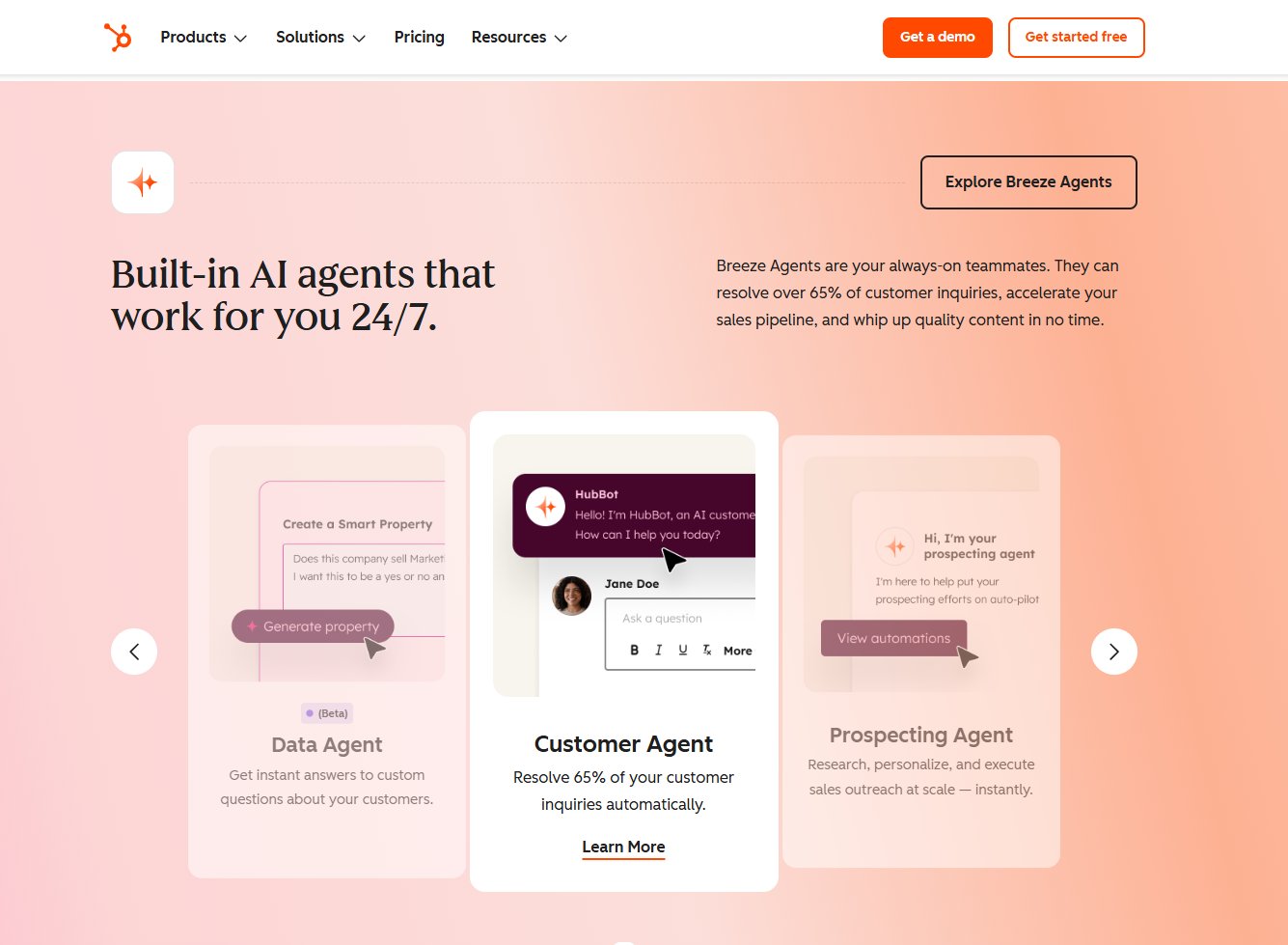
AI-powered assistance inside the product; for example, HubSpot’s AI Agents automatically answer support questions, help users create properties, draft messages, and complete tasks based on real-time context. This turns guidance into a continuous, personalized experience that runs 24/7.
Outcome: This leads to shorter learning curves, more meaningful product engagement, a faster path to “aha moments” and value realization.
Each of these examples shows how brands can use AI to deliver experiences that feel more intuitive, timely, and human, regardless of channel or customer type.
You can watch the webinar to see how experts apply AI personalization in real-world scenarios.
Best practices for AI personalization success
AI-powered personalization can create incredibly relevant experiences, but success doesn’t happen automatically. It requires the right data foundation, thoughtful execution, and a disciplined approach to testing. Here’s how to get it right:
Use only the data that genuinely improves the experience
More data doesn’t always mean better personalization. Focus on information that directly supports the customer’s current task.
For example, if someone is buying shoes, use their size and past preferences, not unrelated personal attributes. Keeping personalization contextual prevents mistrust.
Be transparent about why you collect data
Customers are more willing to share information when they understand the benefit. A simple line like “sharing your style helps us recommend products you’ll actually love” builds trust and encourages honest input.
Keep your data clean and up to date
AI is only as accurate as the data you feed it. Remove duplicates, fix outdated information, and ensure attributes are consistent so recommendations remain relevant and accurate.
Start with a focused goal before scaling
Avoid personalizing everything at once. Begin with a single, high-impact use area, such as improving email recommendations or homepage personalization; expand once you see consistent results.
Give customers control when AI gets it wrong
AI won’t always get it right, and giving customers easy controls improves both experience and accuracy over time. Options like “Not interested,” “Show me similar items,” or simple preference toggles allow users to fine-tune what they see.
Build a strong data and technology foundation
Accurate personalization relies on unified, well-structured data and systems that can support real-time processing. Choose infrastructure and AI personalization tools that match your goals rather than chasing features you don’t need.
VWO Data360, the Customer Data Platform, brings all customer signals, across sessions, devices, and tools, into one complete profile. This gives you a clear view of who your users are, how they behave, and what they care about.
VWO Personalize then uses this unified data to create precise segments and deliver contextual experiences rooted in actual intent rather than assumptions.
VWO’s personalization features, combined with the Copilot insights and reporting, make it easy to identify opportunities and take action fast, helping us deliver tailored experiences that convert.
George Salib Senior Manager – Digital Marketing at Orascom Hotels Management
Read our blog to discover other top AI personalization tools shaping modern marketing.
Maintain strong privacy, security, and boundaries
Respect user privacy and address data privacy concerns early to avoid crossing into intrusive territory. Collect only what’s necessary, secure it properly, and avoid personalization that feels intrusive or reveals unnecessary inferred details.
Continuously update and refine your AI models
User behavior evolves, and AI must adapt continuously to avoid model drift and declining accuracy. Regularly retrain models, refresh datasets, and analyze how users respond to personalized elements. The goal is steady improvement, not “set it and forget it.”
Keep the customer experience at the center
The best personalization efforts feel seamless and supportive, enhancing decisions rather than overwhelming users with unnecessary complexity. Use nudges sparingly, keep experiences consistent across channels, and automate only when it genuinely improves the journey.
Continuously test, learn, and iterate
AI can suggest which personalized messages, layouts, or offers might work, but testing reveals what truly improves engagement, conversions, and customer satisfaction.
Here, VWO provides a unified experimentation and optimization platform. With VWO Testing, teams can run A/B tests, multivariate tests, or split URL tests to validate which personalized messages, layouts, offers, or journeys truly perform.
And with VWO Insights, you get the behavioral context behind those results with heatmaps, session recordings, and surveys, giving you clarity on what drives engagement and what blocks it.
Together, these capabilities allow marketers to quickly identify what’s working, what’s slowing users down, and where there’s room for improvement.
The result: a disciplined, insight-driven testing process that refines every personalized experience with clarity, confidence, and speed.
Pro Tip!
Use VWO Copilot to create targeting segments using simple, plain-language prompts. You can save these segments and reuse them for personalization campaigns. You can also run testing campaigns on the same saved segments.
Frequently asked questions
Q1. How to personalize with AI?
You personalize with AI by using behavioral data, user preferences, and real-time customer interactions, supported by the right AI personalization solutions, to automatically tailor content, recommendations, timing, and messaging. Instead of creating manual segments, AI analyzes what each user is doing now and adapts the experience instantly, from homepage modules to product suggestions to email content.
Q2. What is an example of hyper-personalization AI?
Hyper-personalization goes beyond basic tailoring. For example, an AI system might detect that a user repeatedly checks sizing guides, prefers neutral colors, and shops mostly on mobile apps. It creates a product feed, size suggestions, and offers uniquely suited to that exact pattern of behavior. It’s personalization at an individual, moment-level, not just by segment.
Q3. How is AI used in personalized shopping?
AI powers personalized shopping by recommending items shoppers are likely to buy, customizing search results, adjusting website layouts, offering tailored incentives, enabling conversational shopping assistants, and even letting users upload images to find visually similar products. It helps shoppers discover the right items faster with less effort.
I've worked as a writer and editor in the B2B SaaS space for over 6 years. I read and write on all things CRO and experience optimization.
I'm a chai fanatic and a paranoid parent. When I'm not copyediting or working on marketing projects, I love to spend my time reading. Besides B2B content, my passion lies in modern, behavioral astrology. I'm a dreamer and wish to write stories for children someday :)
Uncover hidden visitor insights to improve their website journey
One of our representatives will get in touch with you shortly.
Awesome! Your meeting is confirmed for at
Thank you, for sharing your details.
, you're all set to experience the VWO demo.
I can't wait to meet you on at
Account Executive
, thank you for sharing the details. Your dedicated VWO representative, will be in touch shortly to set up a time for this demo.
We're satisfied and glad we picked VWO. We're getting the ROI from our experiments.
Christoffer Kjellberg
CRO Manager
VWO has been so helpful in our optimization efforts. Testing opportunities are endless and it has allowed us to easily identify, set up, and run multiple tests at a time.
Elizabeth Levitan
Digital Optimization Specialist
As the project manager for our experimentation process, I love how the functionality of VWO allows us to get up and going quickly but also gives us the flexibility to be more complex with our testing.
Tara Rowe
Marketing Technology Manager
You don't need a website development background to make VWO work for you. The VWO support team is amazing
Elizabeth Romanski
Consumer Marketing & Analytics Manager

 DE
DE
 BR
BR




 ChatGPT
 Perplexity
 Gemini
 Claude
 Grok
Grok